




Introduction
Your spine is composed of vertebrae cushioned by intervertebral discs, which act as shock absorbers to protect your bones from daily impacts. These discs can wear down over time, leading to discomfort that may radiate to the legs and cause numbness. A herniated disc occurs when the gel-like core of the disc pushes out through a tear in the outer ring, often causing significant pain and mobility issues. In this guide, we’ll cover the types, causes, symptoms, and treatments for herniated discs, as well as prevention strategies.

A herniated disc occurs when the gel-like core of an intervertebral disc pushes through a tear in the outer ring. This can happen due to wear and tear or sudden injury. Herniated discs are common in the lumbar spine (L4/L5 and L5/S1 regions) but can also occur in the cervical spine. It’s important to differentiate between a herniated disc and a bulging disc. While a bulging disc has the outer ring intact with the core protruding, a herniated disc involves a rupture that allows the core to leak out, causing more severe symptoms.

Symptoms of a herniated disc depend on its location in the spine. In the lumbar spine, it causes severe back pain, muscle tightness, and restricted movement, often radiating to the legs. In the cervical spine, it results in neck pain, radiating discomfort to the arms, and stiffness. Common symptoms include back pain, muscle tightness, pain radiating to limbs, nerve disorders, muscle weakness, tingling, numbness, and impaired reflexes. These symptoms can significantly impact daily activities and require prompt attention for effective management.
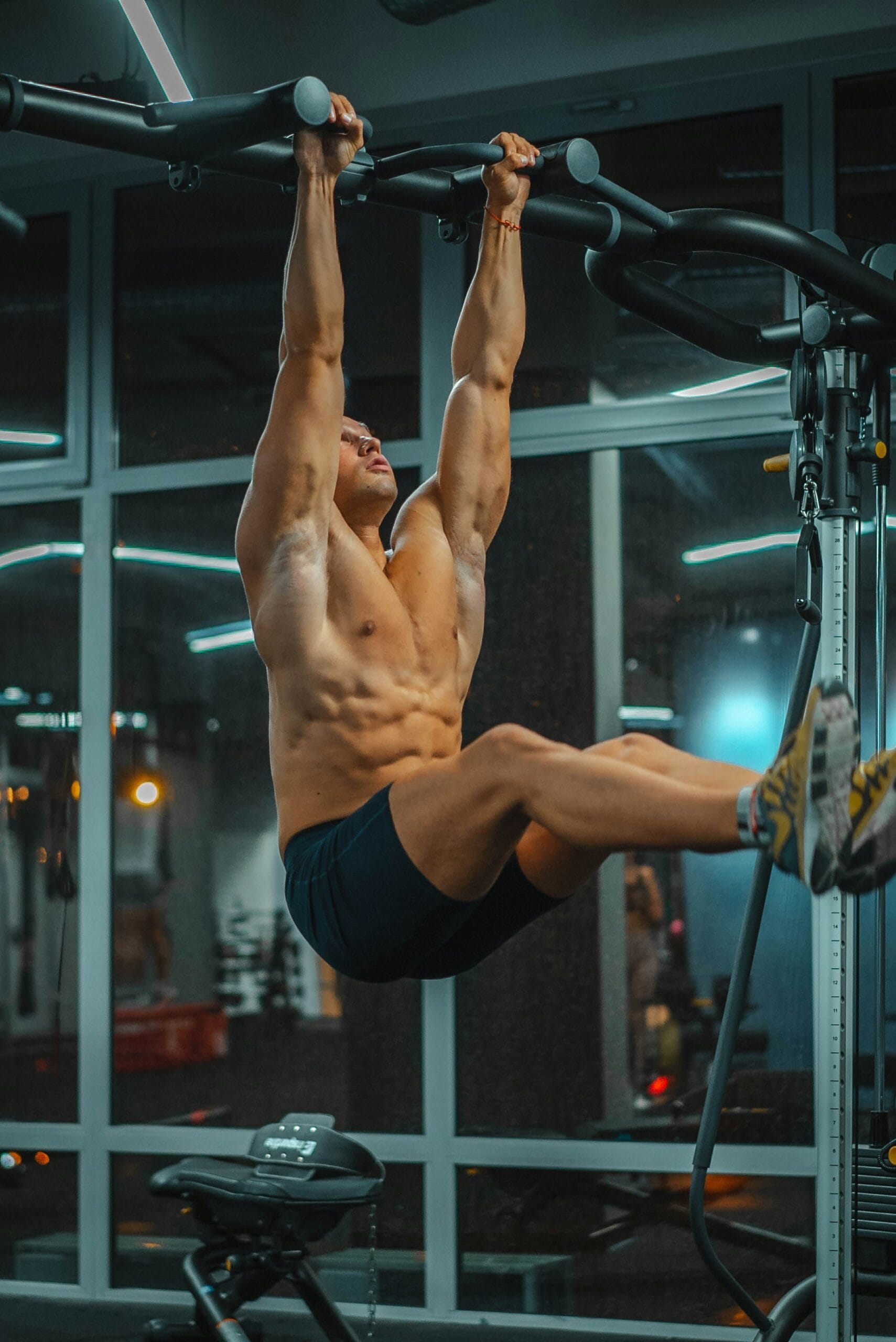
Aging is a primary cause of herniated discs, leading to degeneration and reduced disc flexibility. Poor weight distribution, improper lifting techniques, and excessive strain on the spine also contribute. Activities that involve bending and twisting motions increase the risk, especially if heavy lifting is involved. Addressing these factors through proper posture, weight management, and safe lifting techniques can help prevent disc herniation.
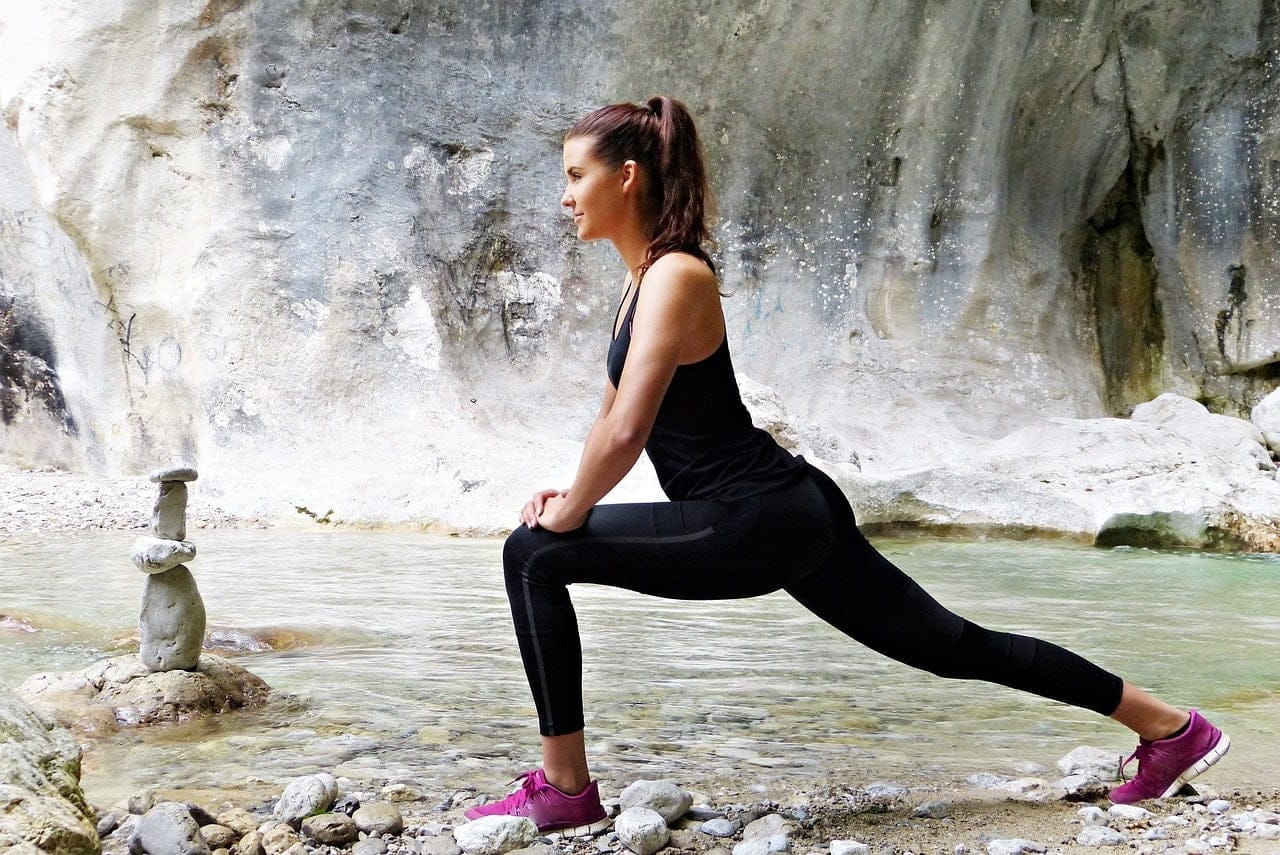
Conservative treatments are often effective for herniated discs, including physical therapy, myofascial release techniques, and targeted exercises to strengthen core muscles. Maintaining activity levels is crucial, as prolonged inactivity can worsen symptoms. Heat therapy and muscle relaxants can provide initial relief. It’s important to stay motivated and patient, as most people see improvement within three months. Regularly practicing recommended exercises and maintaining proper posture can significantly aid recovery and prevent recurrence.
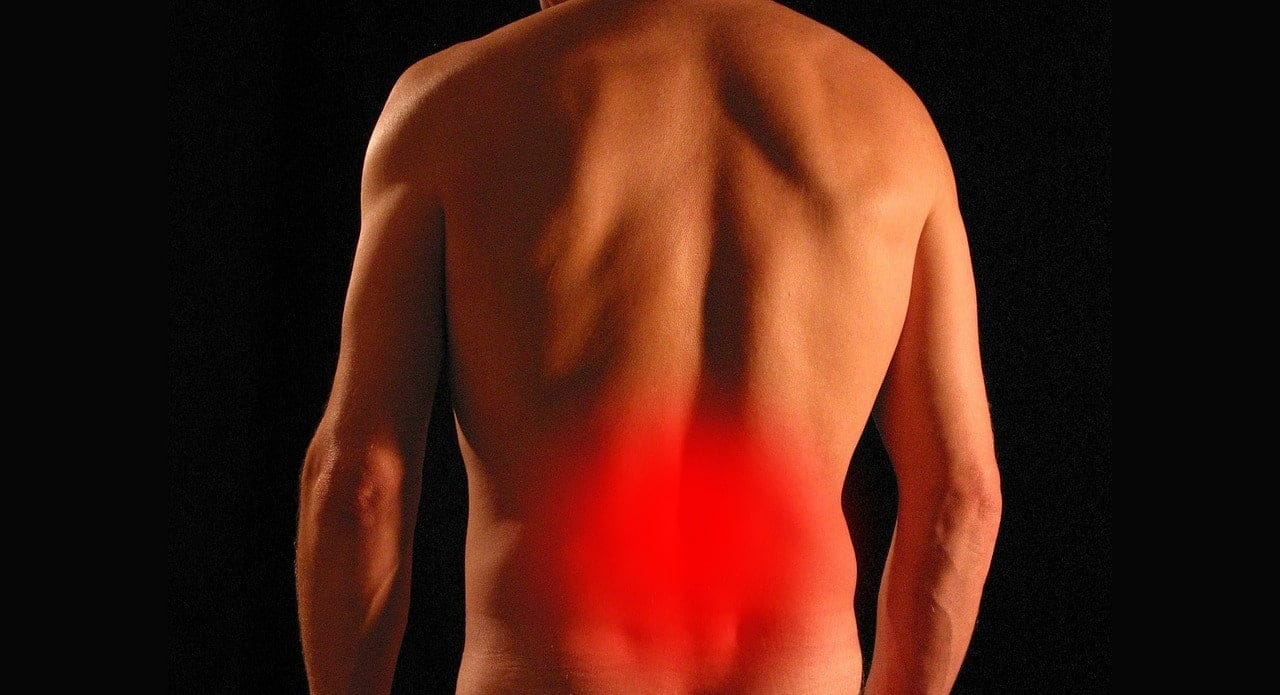
Prevention involves maintaining proper posture, regular movement, and a healthy weight. Avoid prolonged sitting, take frequent breaks, and lift heavy objects with your legs, not your back. Engage in activities that promote spine health, such as yoga, pilates, and swimming. Strengthening core muscles provides natural support for the spine, reducing disc pressure. Incorporating fascia exercises can correct tension imbalances and support spinal health.
Conclusion
A herniated disc can significantly impact your quality of life, but understanding its causes, symptoms, and treatments can help you manage and prevent it effectively. By maintaining a healthy lifestyle, practicing good posture, and incorporating targeted exercises, you can alleviate pain and support spinal health. Remember to stay active, avoid prolonged inactivity, and seek professional advice if symptoms persist.
Common symptoms include back pain, muscle tightness, pain radiating to limbs, nerve disorders, and tingling or numbness.
Poor posture can cause imbalanced pressure on the spine, leading to disc degeneration and herniation.
Yes, exercises focusing on myofascial release, core strengthening, and proper posture can be effective.
Seek medical advice if you experience severe pain, numbness, tingling, or muscle weakness.
Avoid heavy lifting, high-impact activities, and prolonged sitting to prevent aggravating the condition.
Recovery can take up to three months with consistent conservative treatment and exercise.
Maintain proper posture, engage in spine-friendly activities, and strengthen core muscles to support spinal health.


Can Maingaining and calisthenics for beginners build lean mass?
Maingaining and calisthenics for beginners unlock efficient, lean muscle gains with minimal fluff. This approach...
How do thoracic spine stretches relieve desk pain?
Thoracic Spine Stretches Guide Thoracic spine stretches are essential for anyone who sits all day....
How does maingaining build lean muscle without bulk?
maingaining: build lean muscle without excessive bulk Maingaining puts muscle gain first while limiting excess...
Milano Cortina 2026 Winter Olympics: new sports spotlight?
New sports at the Milano Cortina 2026 Winter Olympics Anticipation is building across the fanbase...
How does Omorpho G-Vest Icon boost conditioning?
Omorpho G-Vest Icon The Omorpho G-Vest Icon is a layerable weighted vest for real training....
Why thoracic spine stretches boost breathing and mobility?
thoracic spine stretches Thoracic spine stretches unlock a freer mid-back and better posture. Sit for...
What is maingaining in a 4-week plan?
maingaining: Build Lean Muscle While Staying Agile Maingaining marries steady muscle growth with athletic fitness,...
What are the true benefits of weight loss transformation?
A weight loss transformation can rewrite how you live and feel. It changes more than...