




Introduction
Foam rolling, a technique nestled at the intersection of fitness and wellness, has surged in popularity for its remarkable ability to enhance physical health and performance. This comprehensive guide delves deep into the world of foam rolling, exploring its multifaceted benefits, backed by scientific insights and practical advice.
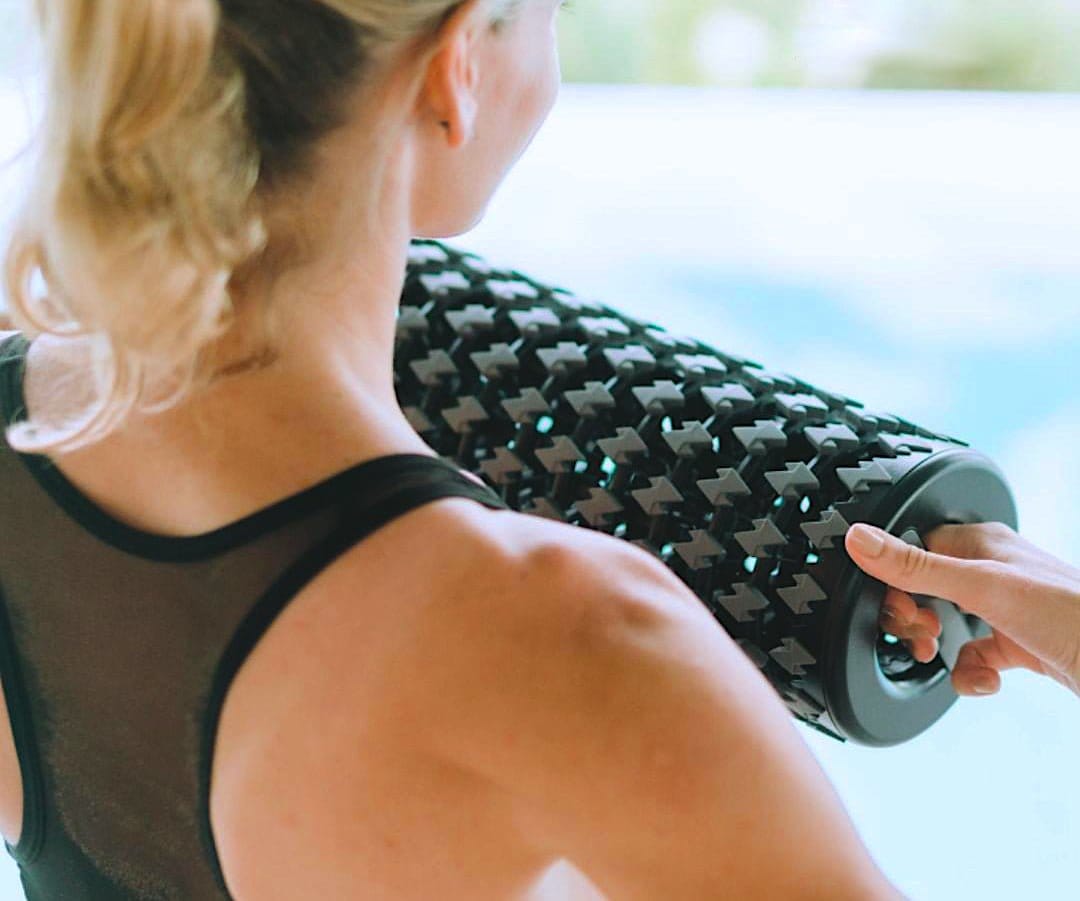
Foam rolling, or self-myofascial release, involves using a cylindrical tool to apply pressure to specific body parts. This simple yet effective method targets the fascia, the connective tissue enveloping muscles, aiming to alleviate tension, improve mobility, and foster recovery.
The Science Behind the Roll
Recent studies illuminate the profound impact of foam rolling on physical health. Systematic reviews and controlled trials consistently report significant improvements in flexibility, reduced muscle soreness, and enhanced recovery post-exercise. By stimulating blood flow and breaking down adhesions, foam rolling emerges as a cornerstone of modern fitness regimens.

To reap the full rewards of foam rolling, one must adhere to proper techniques and practices. Begin with gentle pressure, gradually increasing intensity as your body acclimates. Focus on areas of tightness or discomfort, rolling slowly and pausing at tender points. Consistency is key – integrate foam rolling into your daily routine for lasting results.
Foam Rolling for Everyone: Tailoring Your Approach
Whether you’re an athlete seeking performance enhancement or an individual aiming to alleviate desk-job stiffness, foam rolling offers tailored benefits. Various types of rollers cater to different needs – from dense foam for deep tissue work to softer versions for sensitive areas. Explore and find the roller that aligns with your goals and comfort level.
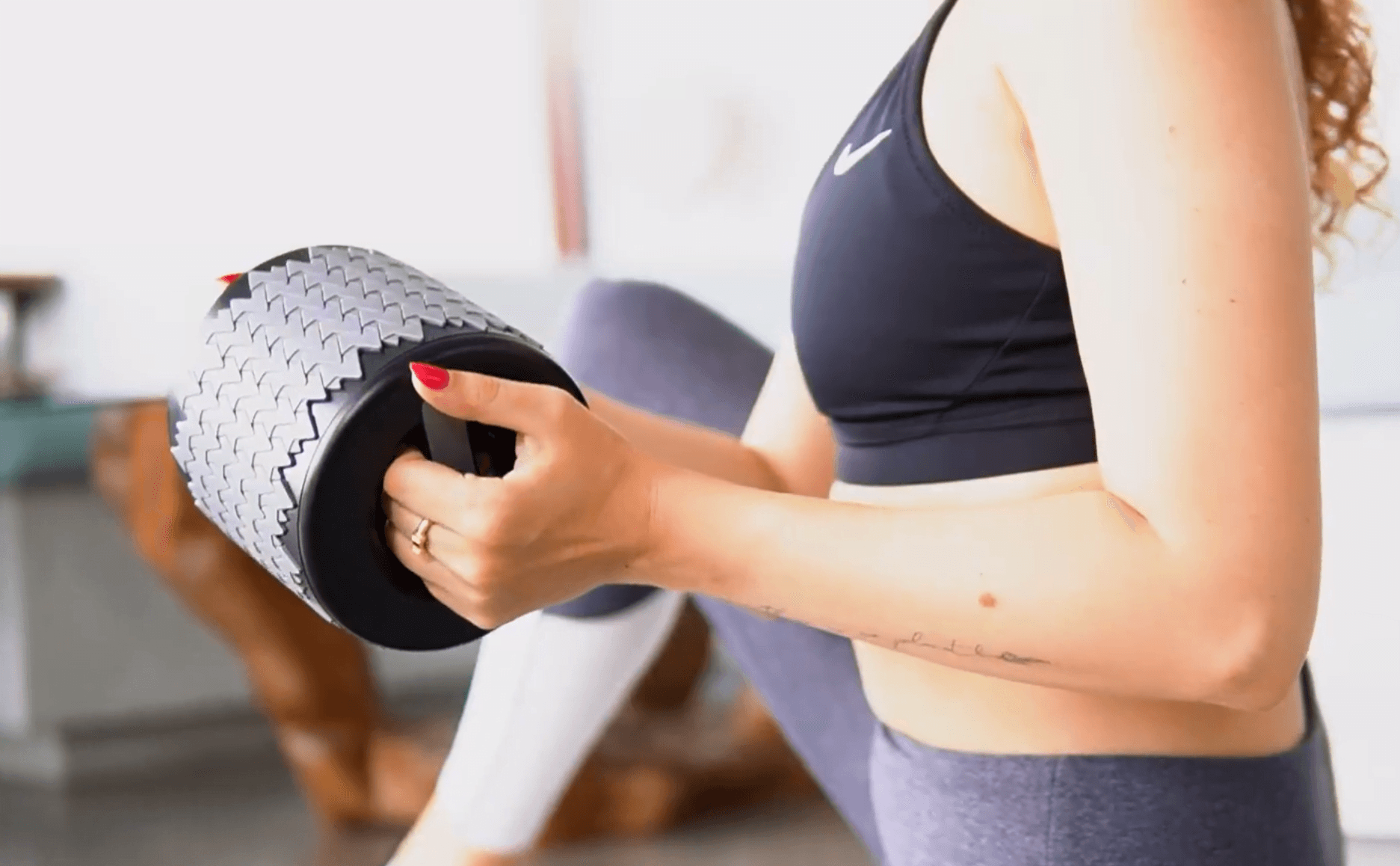
Countless individuals attest to the transformative effects of foam rolling. From runners experiencing increased flexibility and reduced recovery time to office workers finding relief from chronic back pain, the positive outcomes are as diverse as they are compelling. These testimonials underscore foam rolling’s universal appeal and efficacy.
Incorporating Foam Rolling into Your Life
Embracing foam rolling doesn’t require a complete lifestyle overhaul. Start with a few minutes each day, focusing on major muscle groups like the back, legs, and arms. As you grow more comfortable, expand your routine to target additional areas and experiment with different techniques.

While foam rolling is generally safe, it’s crucial to approach it with awareness. Avoid rolling directly over joints or injured areas, and consult with a healthcare professional if you have underlying health concerns. Listen to your body and adjust pressure and duration to suit your individual needs.
The Future of Foam Rolling: Trends and Innovations
As foam rolling’s popularity continues to rise, so does innovation in the field. From vibrating foam rollers enhancing muscle activation to compact, travel-friendly designs, the market is evolving to meet the growing demand for this versatile tool.
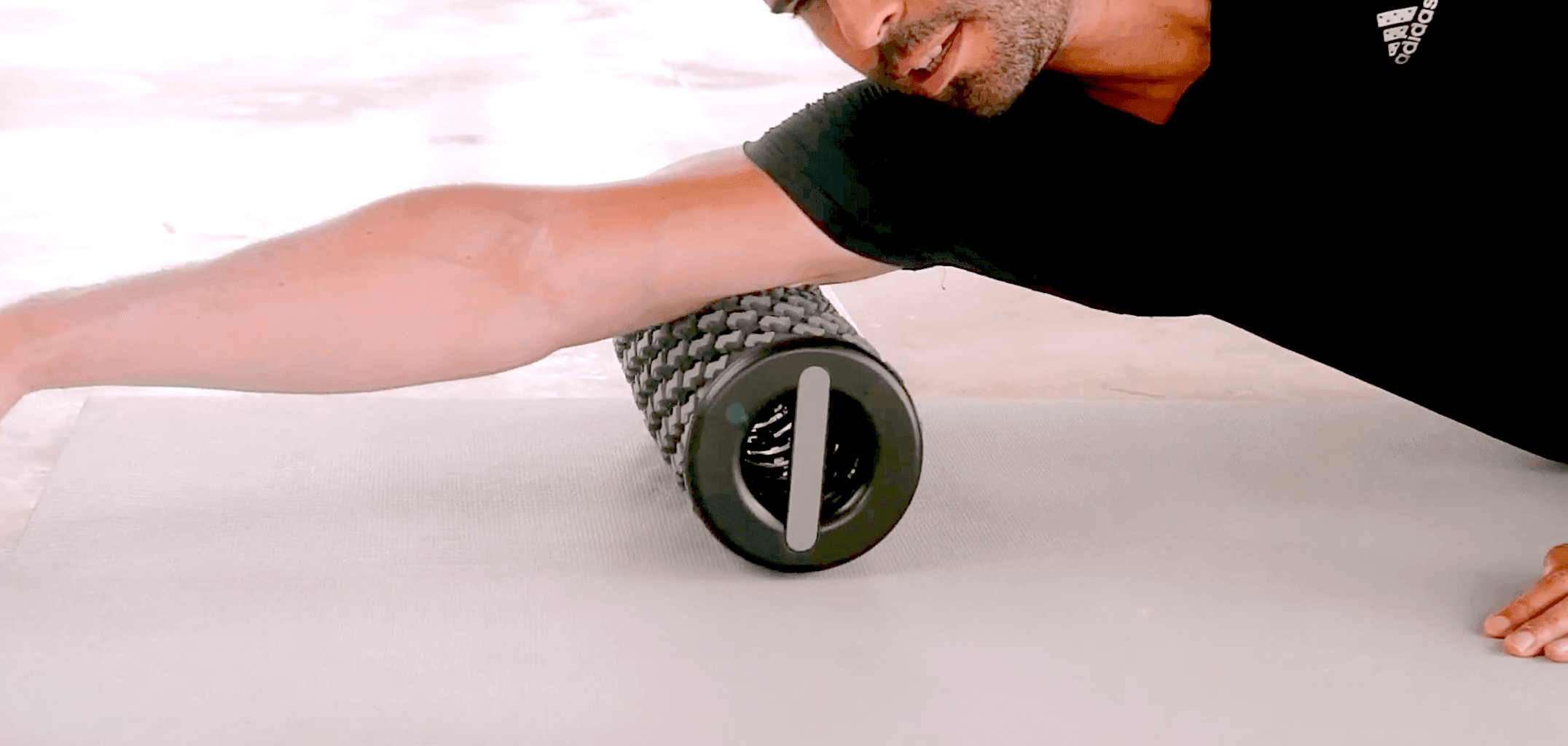
Foam rolling stands out as a simple yet powerful practice with the potential to revolutionize your physical health. By incorporating it into your routine, you’re not just investing in your fitness; you’re taking a proactive step towards a more flexible, resilient, and vibrant self. Embrace the roll and unlock a new level of well-being.
Aim for 5-10 minutes daily, focusing on each major muscle group for about 30 seconds to 1 minute.
Yes, foam rolling can significantly reduce muscle soreness and improve recovery times after workouts.
Absolutely, beginners can start with softer rollers and gentle pressure, gradually progressing as they become more comfortable.
While generally safe, avoid rolling over joints or injured areas and consult a professional if you have health concerns.
Consider your needs and pain tolerance. Softer rollers are good for beginners or sensitive areas, while denser rollers are better for deep tissue work.


Can Maingaining and calisthenics for beginners build lean mass?
Maingaining and calisthenics for beginners unlock efficient, lean muscle gains with minimal fluff. This approach...
How do thoracic spine stretches relieve desk pain?
Thoracic Spine Stretches Guide Thoracic spine stretches are essential for anyone who sits all day....
How does maingaining build lean muscle without bulk?
maingaining: build lean muscle without excessive bulk Maingaining puts muscle gain first while limiting excess...
Milano Cortina 2026 Winter Olympics: new sports spotlight?
New sports at the Milano Cortina 2026 Winter Olympics Anticipation is building across the fanbase...
How does Omorpho G-Vest Icon boost conditioning?
Omorpho G-Vest Icon The Omorpho G-Vest Icon is a layerable weighted vest for real training....
Why thoracic spine stretches boost breathing and mobility?
thoracic spine stretches Thoracic spine stretches unlock a freer mid-back and better posture. Sit for...
What is maingaining in a 4-week plan?
maingaining: Build Lean Muscle While Staying Agile Maingaining marries steady muscle growth with athletic fitness,...
What are the true benefits of weight loss transformation?
A weight loss transformation can rewrite how you live and feel. It changes more than...