






Understanding Muscle Soreness and Recovery
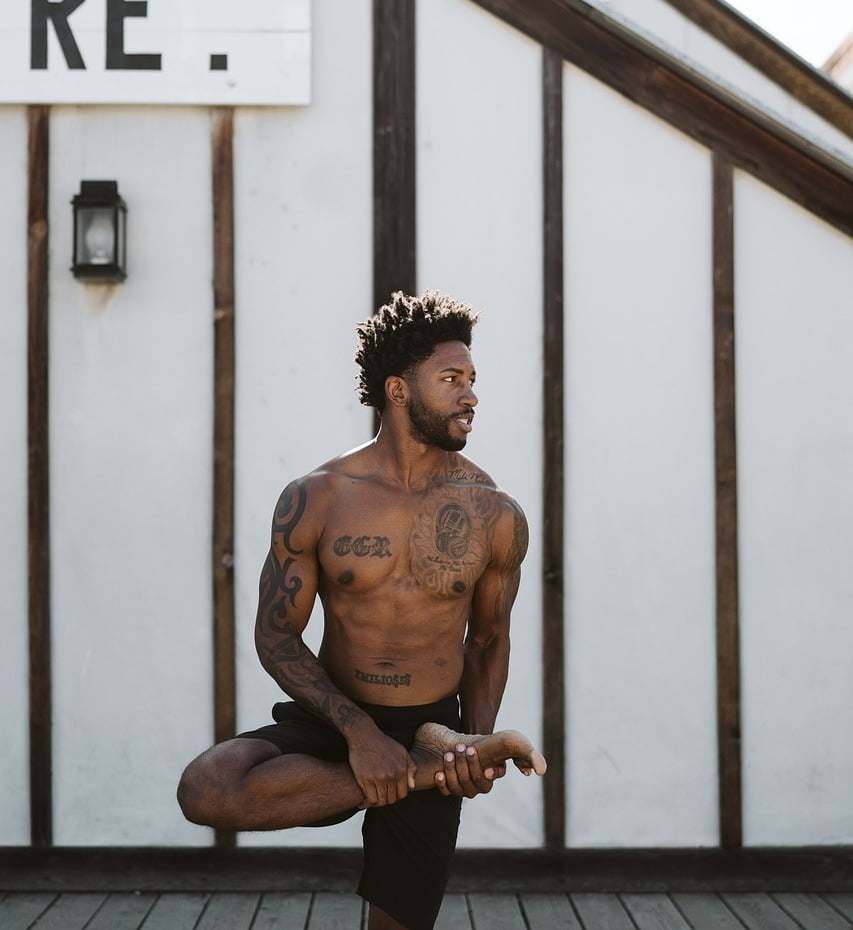
Muscle soreness after workout hits almost every athlete and fitness fan. It often arrives as delayed onset muscle soreness, or DOMS, the next day. It happens because exercise creates tiny micro-tears in muscle fibers. Those micro-tears spark inflammation and a steady, sensible rebuilding process.
However, the amount of pain does not equal progress or growth. Soreness can signal the right muscle was targeted, so that matters. Yet chasing soreness alone can lead to overtraining and injury. As a result, smart athletes measure progress with progressive overload and hypertrophy.
This article explains why soreness happens and how to recover smarter. You will learn evidence-based tips for regeneration, rest, and optimal recovery. We flag joint pain and poor form as clear warning signs. Expect practical cues, cautionary signals, and encouragement to train sustainably.
We also cover techniques like foam rolling, mobility, and targeted nutrition. Plus timing strategies to help you balance work, rest, and gains. Read on to use soreness as useful feedback, not a cruel goal.
What Causes Muscle Soreness After Workout (DOMS Explained)
Delayed Onset Muscle Soreness (DOMS) is a condition that typically arises after intense exercise, especially when your body is not accustomed to the level of exertion.
How to Prevent Excess Muscle Soreness After Workout: Smart Training and Recovery
To prevent DOMS, consider incorporating strategies such as effective warm-ups, gradual progression in your workout intensity, and ensuring adequate recovery time between sessions.
Manage Muscle Soreness After Workout: Nutrition, Foam Rolling, and Rest Strategies
Managing muscle soreness involves proper nutrition, staying hydrated, practicing foam rolling techniques, and prioritizing rest and recovery. Foods rich in protein and antioxidants can support muscle repair and reduce inflammation.
What causes muscle soreness after workout?
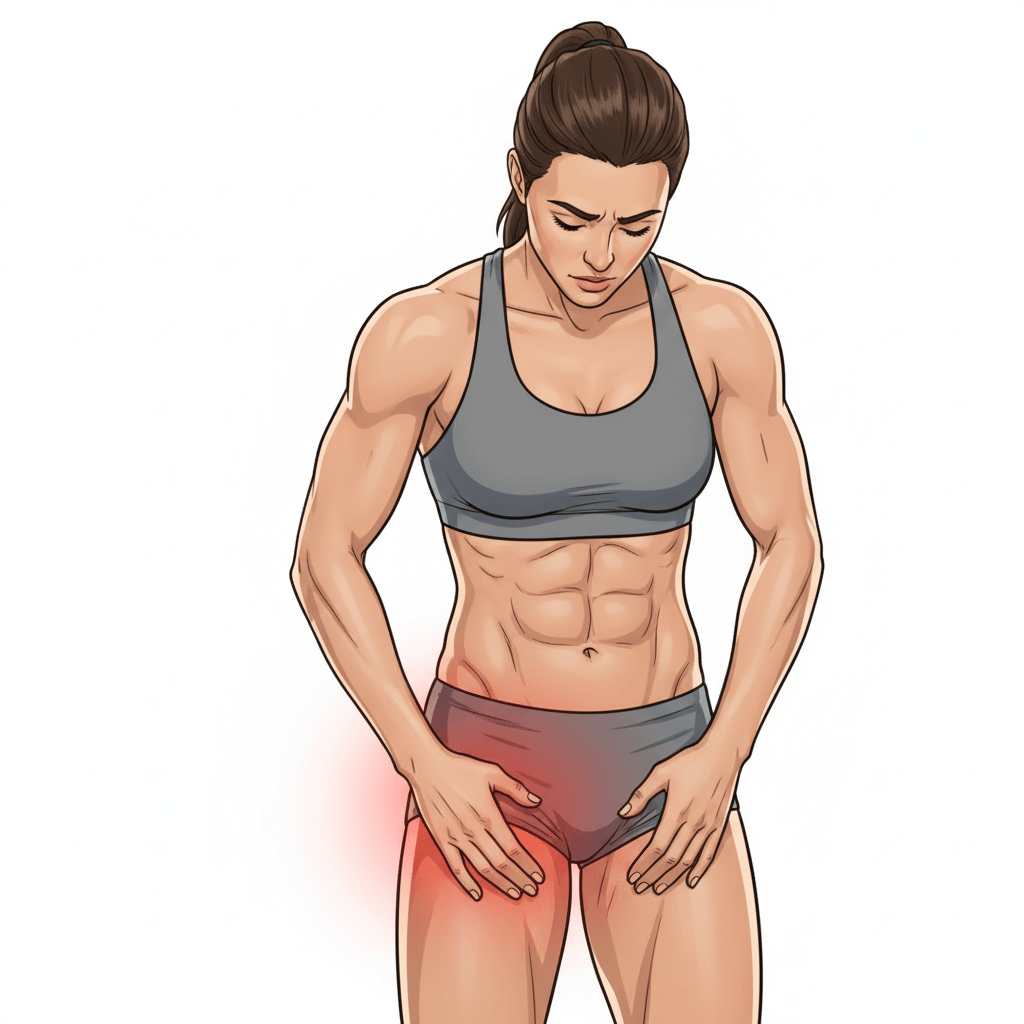
The short answer is micro damage to muscle fibers. When you push a muscle beyond its current load, tiny micro tears occur. Then inflammation follows to clear debris and start repair. This process is commonly called delayed onset muscle soreness or DOMS. It usually peaks 24 to 72 hours after training.
Why does DOMS feel so stiff and aching?
First, eccentric contractions create more micro trauma. For example, lowering a heavy squat causes more fiber stress than the concentric lift. Second, inflammation brings fluid and immune cells into the area. As a result, you feel tenderness and reduced range of motion the next day.
Common triggers of muscle soreness after workout
- New movements or higher intensity than usual cause DOMS quickly.
- Eccentric focused work such as slow negatives increases micro tears.
- High volume sessions and long sets drive greater muscle fatigue and soreness.
- Poor technique can shift stress to unintended joints and muscles.
How soreness ties to recovery and training
Soreness does not equal growth. However, soreness has a role in exercise recovery. It tells you that tissue repair is under way. Yet you must balance repair with progressive overload. Otherwise, constant soreness can block strength gains and cause overtraining. Therefore, use soreness as feedback rather than a goal.
Practical signs that soreness is normal
- It is localized to the worked muscle group.
- It peaks after 24 to 72 hours.
- It comes with stiffness, not sharp joint pain.
When to be cautious
If pain is sharp or centered in a joint, stop training. If soreness lasts longer than a week, reassess load and technique. For nutrition tips that support repair, try protein rich snacks and recipes like this one: protein rich snacks and recipes. For self care ideas such as foam rolling and myofascial release, see this guide: foam rolling guide.
In sum, DOMS, muscle fatigue, and inflammation explain most post workout soreness. Use that knowledge to plan smart recovery and consistent progress.
| Method | Description | Benefits | Suggested usage frequency |
|---|---|---|---|
| Stretching | Gentle static and dynamic stretches for worked muscles | Improves mobility and reduces stiffness; eases soreness | After workouts and daily as needed |
| Massage and foam rolling | Self myofascial release or hands-on massage to loosen tissue | Increases blood flow and reduces tightness; aids recovery | 2 to 4 times weekly or post workout |
| Nutrition | Protein rich meals and anti-inflammatory foods to support repair | Speeds muscle repair and lowers inflammation when combined with carbs | Each meal; aim for protein within two hours post workout |
| Hydration | Maintain fluids and electrolytes before and after exercise | Supports waste removal and reduces cramps; aids muscle function | Daily; increase intake around training |
| Rest and sleep | Passive rest and quality sleep for full recovery | Essential for tissue repair and hormonal recovery; builds strength | 1 to 3 rest days weekly; 7 to 9 hours sleep nightly |
Conclusion
Muscle soreness after workout can be useful feedback when used wisely. It signals repair, inflammation, and adaptation. However, soreness does not equal guaranteed growth. Instead, prioritize progressive overload, good form, and measured recovery. When you balance training with rest, you build strength and size long term.
Use soreness as a guide rather than a goal. First, watch for localized soreness in the right muscle groups. Second, avoid chasing pain each session. Third, favor strategies that help recovery, such as sleep, protein, hydration, and gentle mobility work. As a result, you will train more consistently and lift heavier over time.
JackedApe supports athletes who train hard and train smart. Explore high performance gear built for intensity at JackedApe. Shop functional apparel and recovery tools at JackedApe Shop. For more training tips, recipes, and recovery guides, visit the JackedApe blog.
Ready to make soreness useful, not harmful? Check your plan, respect recovery, and gear up with tools that help you perform. Train with purpose, recover with intent, and keep progressing.
Frequently Asked Questions
How long does muscle soreness after workout usually last?
Most soreness peaks between 24 and 72 hours. Mild soreness often fades in three days. However, some workouts cause soreness that lasts up to a week. If pain persists beyond seven days, seek professional advice.
Do I need to feel sore to make gains?
No. Soreness does not guarantee growth. Progressive overload and consistent training drive strength and hypertrophy. Therefore, track increases in weight or reps instead of chasing soreness.
What are the best immediate recovery steps?
Start with light movement and gentle mobility work. Hydrate and eat a protein rich meal within two hours. Use foam rolling or massage to ease tightness. Also, prioritize sleep because rest supports tissue repair.
When should I see a doctor about post workout pain?
See a doctor if pain is sharp or hurts a joint. Also, get help for severe swelling or loss of function. If soreness comes with fever or extreme weakness, seek medical care immediately.
How do I prevent excessive soreness and overtraining?
Use progressive overload slowly to raise load. Rotate muscle groups and plan rest days. Monitor recovery by asking if you can train hard again. If not, scale back and recover first.


Can Maingaining and calisthenics for beginners build lean mass?
Maingaining and calisthenics for beginners unlock efficient, lean muscle gains with minimal fluff. This approach...
How do thoracic spine stretches relieve desk pain?
Thoracic Spine Stretches Guide Thoracic spine stretches are essential for anyone who sits all day....
How does maingaining build lean muscle without bulk?
maingaining: build lean muscle without excessive bulk Maingaining puts muscle gain first while limiting excess...
Milano Cortina 2026 Winter Olympics: new sports spotlight?
New sports at the Milano Cortina 2026 Winter Olympics Anticipation is building across the fanbase...
How does Omorpho G-Vest Icon boost conditioning?
Omorpho G-Vest Icon The Omorpho G-Vest Icon is a layerable weighted vest for real training....
Why thoracic spine stretches boost breathing and mobility?
thoracic spine stretches Thoracic spine stretches unlock a freer mid-back and better posture. Sit for...
What is maingaining in a 4-week plan?
maingaining: Build Lean Muscle While Staying Agile Maingaining marries steady muscle growth with athletic fitness,...
What are the true benefits of weight loss transformation?
A weight loss transformation can rewrite how you live and feel. It changes more than...