







Understanding Delayed-onset Muscle Soreness (DOMS)
Are you familiar with the term Delayed-onset muscle soreness (DOMS)? Whether you’re an athlete pushing new boundaries or a fitness enthusiast striving for personal bests, understanding DOMS can be pivotal. This condition often creeps up on you, usually revealing itself 24 to 48 hours after a grueling workout. Yet, it’s more than just post-exercise discomfort. DOMS indicates the body’s natural adaptation to physical stress and growth, pointing out how micro-tears in muscle fibers are healing to strengthen you.
Therefore, grasping this concept is critical. It helps in distinguishing the fine line between recovery and potential injury. As a result, knowing how and when to pivot towards effective recovery plans, such as foam rolling or even indulging in low-impact activities, can make a difference. Grasping DOMS not only aids in optimizing performance but also promotes a long-term, healthier workout regimen. So, let’s dive deep into what muscle soreness actually means and how you can recover right!
What causes Delayed-onset muscle soreness (DOMS)?
Delayed-onset muscle soreness (DOMS) comes from specific structural and physiological reactions. It often starts after new or intense workouts, especially those with eccentric loading. As a result, the body signals repair and adaptation to stronger demands.
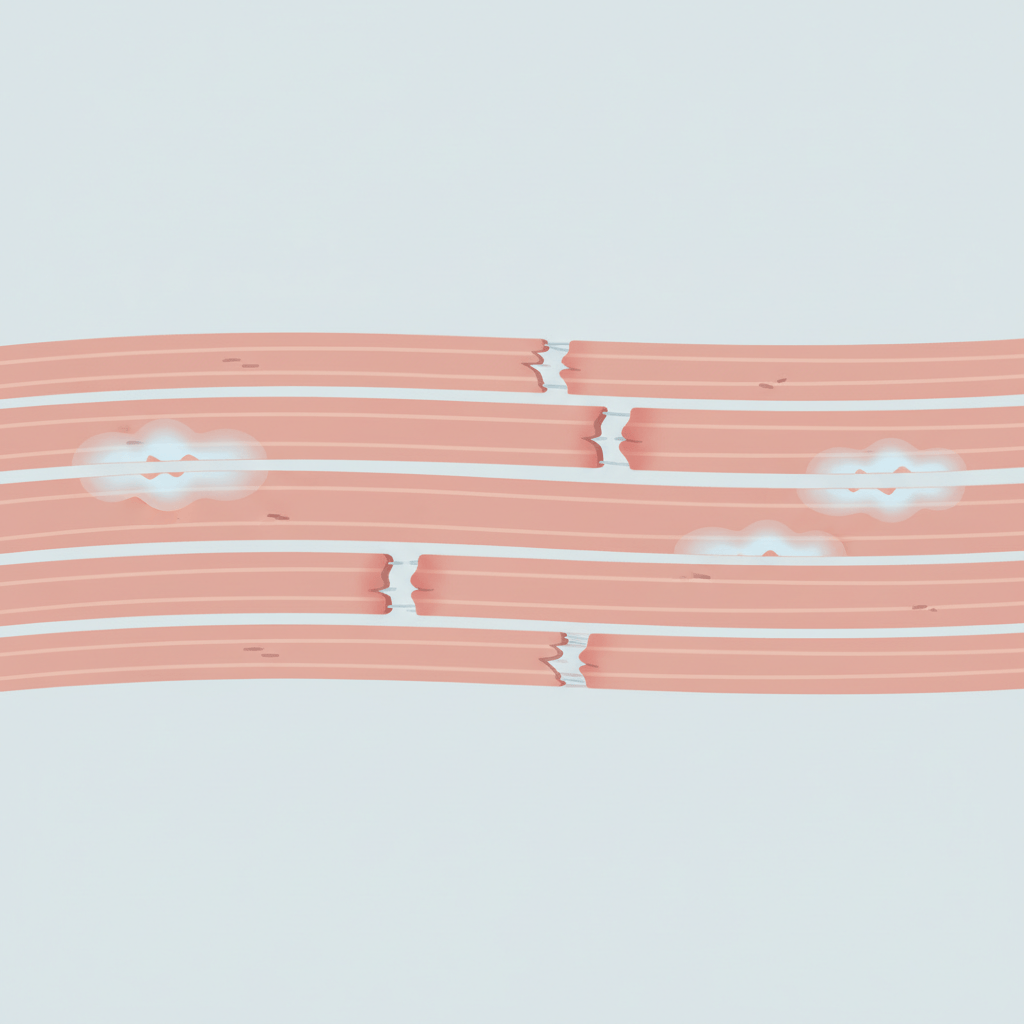
Key physiological drivers of DOMS
- Micro-tears in muscle fibers
- Intense exercise causes tiny tears in muscle tissue. These micro-tears trigger the repair process.
- Source: PubMed Study
- Eccentric contractions amplify damage
- Lengthening contractions place more strain on fibers. Therefore, exercises like slow negatives and downhill running cause more DOMS.
- Source: PubMed Study
- Inflammatory cascade and swelling
- After damage, the body ramps up blood flow and immune activity. As a result, hormones and proteins flood the area and create pressure and pain.
- Source: PubMed Study
- Neural sensitization and fascia involvement
- Nerves and connective tissue can become hypersensitive. Moreover, recent work suggests fascia contributes to post-exercise discomfort.
- Source: PubMed Study
- Exercise novelty and training load
- New movements or higher volume increase micro-tears. Thus, unaccustomed work predicts stronger DOMS.
Because DOMS reflects repair, it usually signals positive adaptation. However, prolonged or extreme soreness can mean excess damage. For safety, stay hydrated and avoid intense work on very sore muscles, because compensations raise injury risk. For trusted clinical context, see Mayo Clinic on muscle pain.
Tools that support recovery include targeted self-massage and percussive devices. For example, the Ape Gun can speed relief and improve mobility: Ape Gun.
Symptoms of Delayed-onset muscle soreness (DOMS)
Recognizing Delayed-onset muscle soreness (DOMS) helps you choose the right recovery steps. Because DOMS reflects repair, it often comes with predictable signs. However, some symptoms can mimic injury, so careful observation matters.
Common symptoms
- Muscle stiffness and reduced range of motion
- Tenderness when touching the affected area
- Dull, aching pain that increases with active use
- Mild swelling or localized stiffness around the muscle
- Temporary weakness in the affected muscles
- Typical onset 24 to 48 hours after intense or new exercise
How to tell DOMS from other muscle pain
-
Acute strain or tear
- Pain appears during the activity or immediately after. It is sharp and localized. Seek evaluation if you felt a pop or severe pain.
-
Tendon pain or tendinopathy
- Pain centers on a tendon rather than the muscle belly. It worsens with specific motions and builds gradually.
-
Rhabdomyolysis red flags
- Severe, disabling pain with swelling and dark urine. In this case, seek emergency care immediately. For clinical signs, see Mayo Clinic.
Time line and what to expect
- DOMS usually begins 24 to 48 hours after the workout.
- Symptoms often peak around 48 hours and then slowly ease.
- Most cases improve within three to seven days, although mild soreness can last longer.
- If pain worsens or fails to improve after a few days, consult a clinician because other problems may exist.
For more on the underlying physiology, see this review: PubMed Review.
| Method | Effectiveness | Recommended usage | Scientific backing |
|---|---|---|---|
| Rest | Moderate | Short rest days after heavy sessions. Avoid complete inactivity for long. | Rest aids repair but does not speed soreness reduction. See review: PubMed Review |
| Active recovery | Moderate to high | Light cardio or mobility work for 10 to 30 minutes. Do the day after intense sessions. | Systematic review shows active recovery reduces soreness: PubMed Review |
| Stretching | Low | Gentle dynamic stretches immediately after workouts. Use static stretches for mobility later. | Meta-analysis found minimal benefit for DOMS alone: PubMed Review |
| Massage | High | 10 to 20 minute sessions, 24 to 72 hours post workout. Repeat as needed. | Meta-analysis supports massage for DOMS reduction: PubMed Review |
| Percussive therapy (Ape Gun) | Moderate to high | Use 1 to 2 minutes per muscle group. Avoid bony areas. Apply gently over sore areas. | Evidence supports hands-on percussive effects. Product example: Jacked Ape Massage Gun plus reviews on manual therapy: PubMed Review |
| Foam rolling | Moderate | Roll 5 to 10 minutes after training or during recovery days. Use controlled pressure. | Meta-analysis shows foam rolling reduces soreness: PubMed Review |
| Cold water immersion | Moderate | 10 to 15 minutes at 10 to 15°C within one hour post exercise. Use for soreness relief. | CWI reduces pain at 24 and 48 hours: PubMed Review |
| Heat therapy | Variable | Apply heat 24+ hours after exercise for tight muscles. Use 15 to 20 minute sessions. | Heat shows benefit for pain reduction in trials: PubMed Review |
| Compression garments | Small to moderate | Wear during recovery days or travel. They aid perceived soreness and swelling. | Review finds small benefits for soreness and recovery: PubMed Review |
| NSAIDs or analgesics | Short term relief | Use cautiously and sparingly. Follow dosage guidelines. Consult a clinician if needed. | Drugs reduce pain but may affect adaptation. See clinical reviews: PubMed Review |
Notes
- Use a combination of methods for best results. However, avoid excessive interventions that impede adaptation.
- Stay hydrated and prioritize sleep and nutrition because they support recovery and reduce DOMS.
Delayed-onset muscle soreness (DOMS) is a normal signal that your body is repairing and adapting after challenging workouts. It stems from micro-tears, inflammatory responses, and neural sensitization and typically appears 24 to 48 hours after exercise. Understanding DOMS helps you separate beneficial adaptation from risky overuse. Therefore, use recovery tools like active recovery, foam rolling, massage, and targeted percussive therapy to reduce pain and restore function. Stay hydrated, prioritize sleep and nutrition, and avoid loading very sore muscles with maximal efforts because compensations increase injury risk.
JackedApe supports athletes who train with intensity and purpose. As a high-performance fitness and combat apparel brand, JackedApe blends tactical design with athlete collaboration to deliver serious performance apparel and recovery tools. Whether you need gear built to last in the gym or focused recovery devices to keep you moving, JackedApe stands behind athletes who push their limits. Embrace smart recovery, respect the process, and keep training with intention—your gains depend on how well you recover.
Website: JackedApe
Shop: JackedApe Shop
Blog: JackedApe Blog
X/Twitter: JackedApe on X/Twitter
Frequently Asked Questions about Delayed-onset muscle soreness (DOMS)
How long does DOMS usually last?
DOMS typically starts 24 to 48 hours after exercise. It often peaks at about 48 hours. Most people improve within three to seven days. However, minor stiffness can linger longer.
Can I prevent DOMS?
You can reduce risk but not fully prevent DOMS. Warm up properly and progress training slowly. Stay hydrated and prioritize protein and sleep. Also, include gradual eccentric work in your plan.
What treatments work best for DOMS?
Active recovery and light movement help a lot. Foam rolling and gentle massage ease stiffness. Cold water immersion or compression may reduce pain. Try percussive therapy for targeted relief.
Is it safe to train when I feel DOMS?
Light training is usually safe and helpful. However, avoid heavy, maximal loads on very sore muscles. Doing so increases compensation and injury risk. Therefore, scale intensity and listen to your body.
When should I see a doctor instead of treating DOMS at home?
Seek care if pain is severe or sudden. Also, see a clinician for dark urine, extreme swelling, or weakness. These signs could indicate rhabdomyolysis, which is urgent.


Can Maingaining and calisthenics for beginners build lean mass?
Maingaining and calisthenics for beginners unlock efficient, lean muscle gains with minimal fluff. This approach...
How do thoracic spine stretches relieve desk pain?
Thoracic Spine Stretches Guide Thoracic spine stretches are essential for anyone who sits all day....
How does maingaining build lean muscle without bulk?
maingaining: build lean muscle without excessive bulk Maingaining puts muscle gain first while limiting excess...
Milano Cortina 2026 Winter Olympics: new sports spotlight?
New sports at the Milano Cortina 2026 Winter Olympics Anticipation is building across the fanbase...
How does Omorpho G-Vest Icon boost conditioning?
Omorpho G-Vest Icon The Omorpho G-Vest Icon is a layerable weighted vest for real training....
Why thoracic spine stretches boost breathing and mobility?
thoracic spine stretches Thoracic spine stretches unlock a freer mid-back and better posture. Sit for...
What is maingaining in a 4-week plan?
maingaining: Build Lean Muscle While Staying Agile Maingaining marries steady muscle growth with athletic fitness,...
What are the true benefits of weight loss transformation?
A weight loss transformation can rewrite how you live and feel. It changes more than...