

Gym Sneakers: Choose the Right Pair to Boost Performance and Prevent Injury
Gym sneakers do more than look good. They form the link between your body and the ground. As a result, your technique, balance, and power depend on them. Choose poorly and you risk pain, lost reps, and setbacks.
Why gym sneakers matter for every workout
- Improve stability and balance for safer squats and lunges.
- Enhance power transfer so lifts feel stronger and more efficient.
- Prevent common injuries like ankle rolls, knee pain, and blisters.
- Offer targeted support because foot structure varies from person to person.
- Reduce fatigue by improving comfort during long sessions.
Whether you favor barefoot-style training shoes or weightlifting shoes, the right pair changes outcomes. Therefore, this guide will help you match shoes to specific lifts and goals. Read on to learn how heel elevation and toe box width change performance. Also learn how midsole stiffness and lockdown straps affect squat and deadlift form. With the right gym sneakers you will move better and lift safer.
Types of gym sneakers
Not all gym sneakers do the same job. Pick the wrong pair and your performance may suffer. Choose wisely and you will train harder and safer.
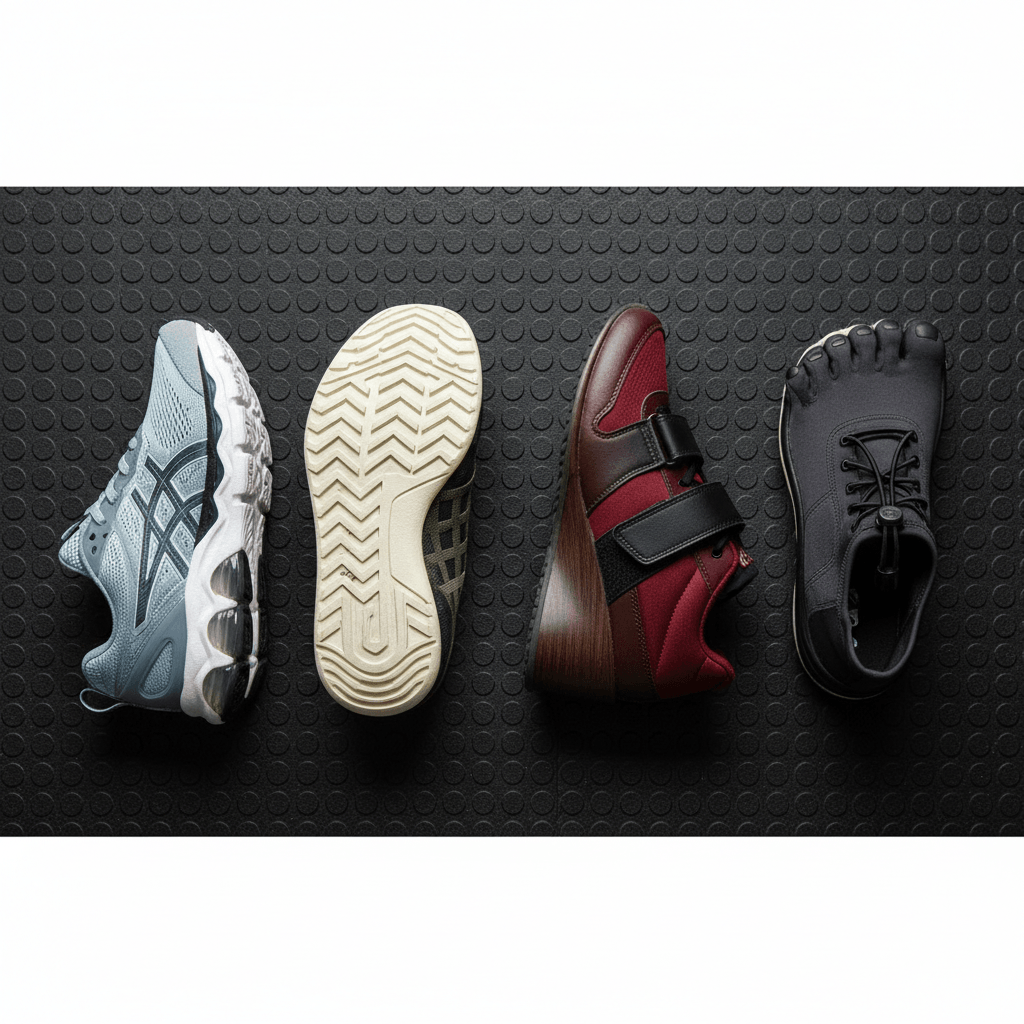
Running sneakers
- Purpose: designed for forward motion and shock absorption. Therefore they protect joints.
- Features: cushioned heel, responsive midsoles, breathable upper. They cushion the heel because they absorb impact.
- Best for: long runs, treadmill work, high-impact cardio.
- Note: they protect joints but may reduce floor feel for lifts.
Cross trainers
- Purpose: built for variety and lateral movement, therefore they add stability during quick changes.
- Features: stable midsole, moderate cushioning, grippy outsole.
- Best for: circuit training, classes, mixed gym sessions.
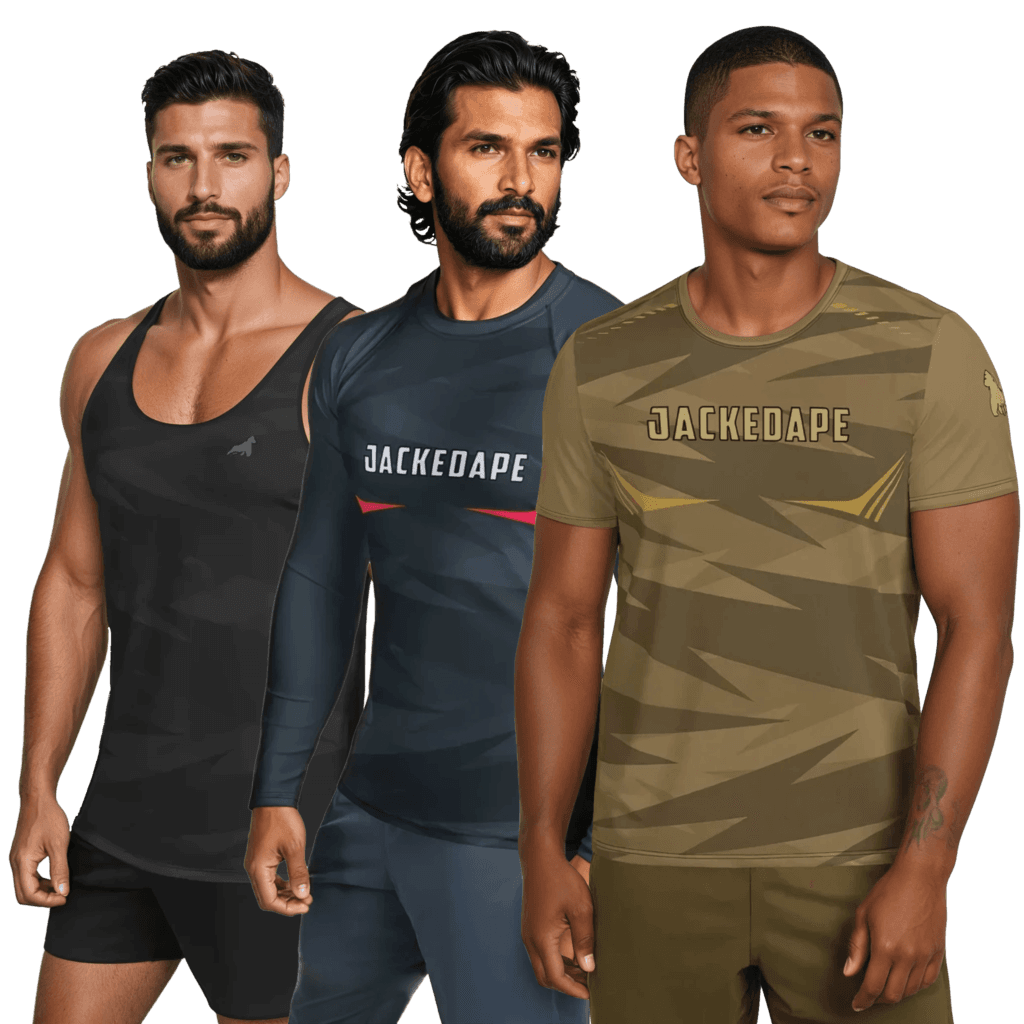
- Tip: pair with a supportive training top for full workouts. Legionnaire Tactical Athletic Sport T-Shirt
Weightlifting shoes
- Purpose: maximize squat and clean mechanics because heel elevation improves torso angle.
- Features: raised heel, rigid sole, straps for lockdown.
- Best for: squats, Olympic lifts, heavy leg sessions.
- For more guidance on shoe selection see ACE Fitness article.
Minimalist sneakers
- Purpose: enhance natural foot mechanics and ground contact. Therefore they offer better floor feel.
- Features: thin sole, low drop, roomy toe box.
- Best for: deadlifts, bodyweight work, barefoot-style training.
- Caution: transition slowly because feet adapt over time.
Quick comparison
- Stability: weightlifting shoes highest, then cross trainers.
- Cushioning: running sneakers highest, then cross trainers.
- Floor feel: minimalist sneakers best; therefore ideal for deadlifts.
- Fit matters: check toe box, midsole bend, and heel crush test.
Related keywords: training shoes, flat shoe, heel elevation, toe box, midsole, lockdown strap.
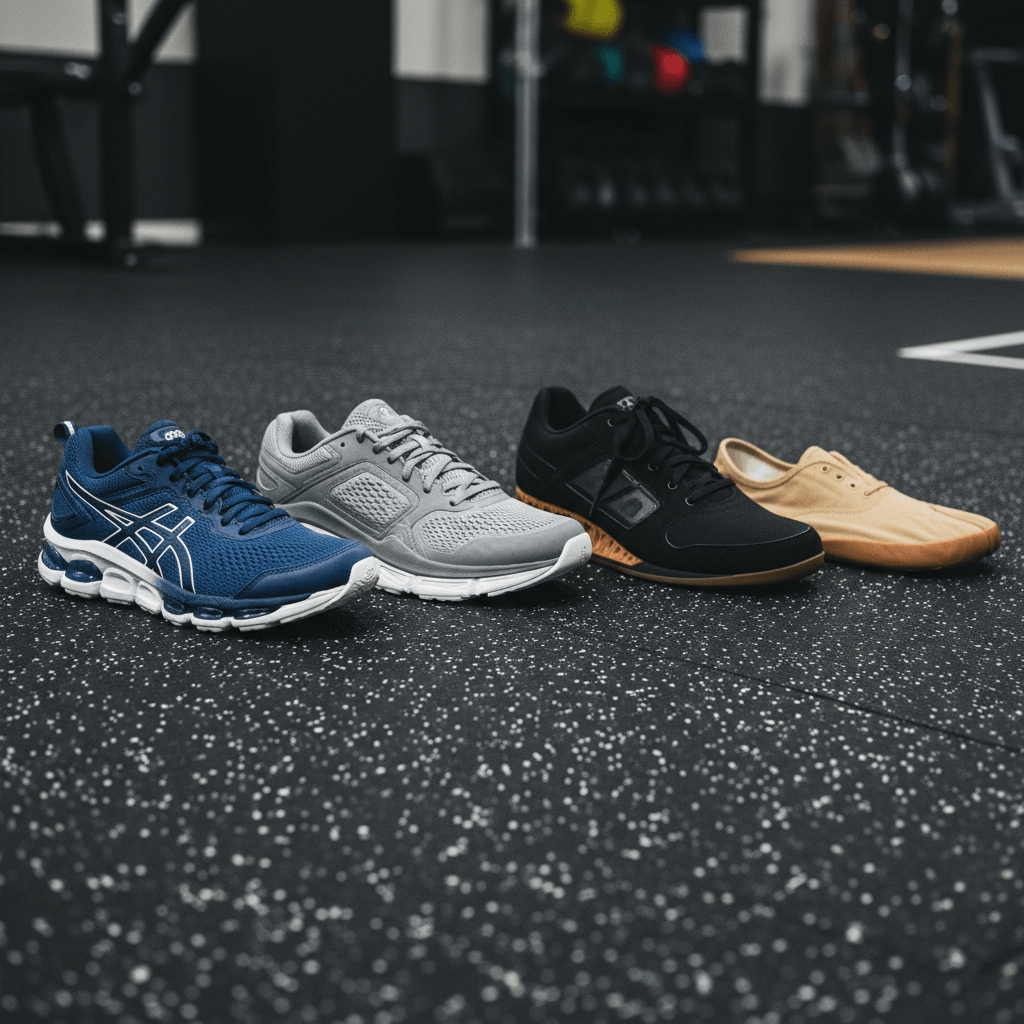
Gym sneakers: Key features to look for
Choosing the right shoes matters. They change performance and reduce injury risk. Therefore check these key features before you buy.
-
Support and stability
- Look for a firm heel and a supportive midsole. This helps with squats and lateral moves.
-
Cushioning and midsole
- Cushioning absorbs impact during runs and cardio. However, heavy cushioning can reduce floor feel for lifts.
-
Heel drop and elevation
- Heel height affects squat mechanics and torso angle. For squats, a raised heel often improves depth and posture.
-
Fit and toe box
- A roomy toe box lets toes splay naturally. Also ensure no pinching at the midfoot.
-
Lockdown and closure
- Laces, straps, and overlays improve lockdown. As a result, your foot stays secure during forceful moves.
-
Traction and outsole
- Choose a grippy outsole for varied surfaces. For deadlifts, a flat, stable sole improves connection.
-
Breathability and weight
- Breatheable fabrics reduce sweat and discomfort. In addition, lighter shoes cut fatigue during long sessions.
-
Durability and materials
- Inspect stitching and outsole wear. Durable shoes save money over time.
Quick shoe checks: crush the heel and bend the sole at the ball of the foot. If they fail these tests, look elsewhere.
Comparison table: Popular gym sneakers
| Model | Price range | Support type | Approx weight (per shoe) | Best for | Notable feature |
|---|---|---|---|---|---|
| Nike Free Metcon (Free Metcon 6) | $120–140 | Moderate stability | ~11 oz | Cross-training and metcons | Stable heel and versatile midsole |
| Under Armour TriBase Reign | $100–130 | Low-to-moderate drop, high stability | ~12 oz | Weight training, compound lifts | Wide toe box and stable base |
| Nike Monarch (Air Monarch) | $60–80 | Cushioning and everyday support | ~13 oz | Machine work, walking, light training | Comfortable wide fit; durable build |
| Vivobarefoot Primus (or similar) | $100–140 | Minimalist, near-zero drop | ~7–9 oz | Deadlifts and barefoot-style work | Excellent floor feel and toe splay |
| Adidas Adipower (weightlifting shoe) | $150–200 | Max stability, raised heel | ~14 oz | Olympic lifts and heavy squats | Rigid sole and firm heel wedge |
Quick notes
- Stability ranks highest in weightlifting shoes. Also cross trainers offer balanced stability.
- Cushioning is highest in running or everyday trainers. However it reduces floor feel for lifts.
- Weight and fit matter because they change performance and comfort.
CONCLUSION
Choosing the right gym sneakers changes how you train and how you recover. The correct pair improves stability, power transfer, and movement mechanics. As a result, you lift more confidently and avoid common overuse injuries. Therefore prioritize fit, heel drop, and midsole stiffness when you shop.
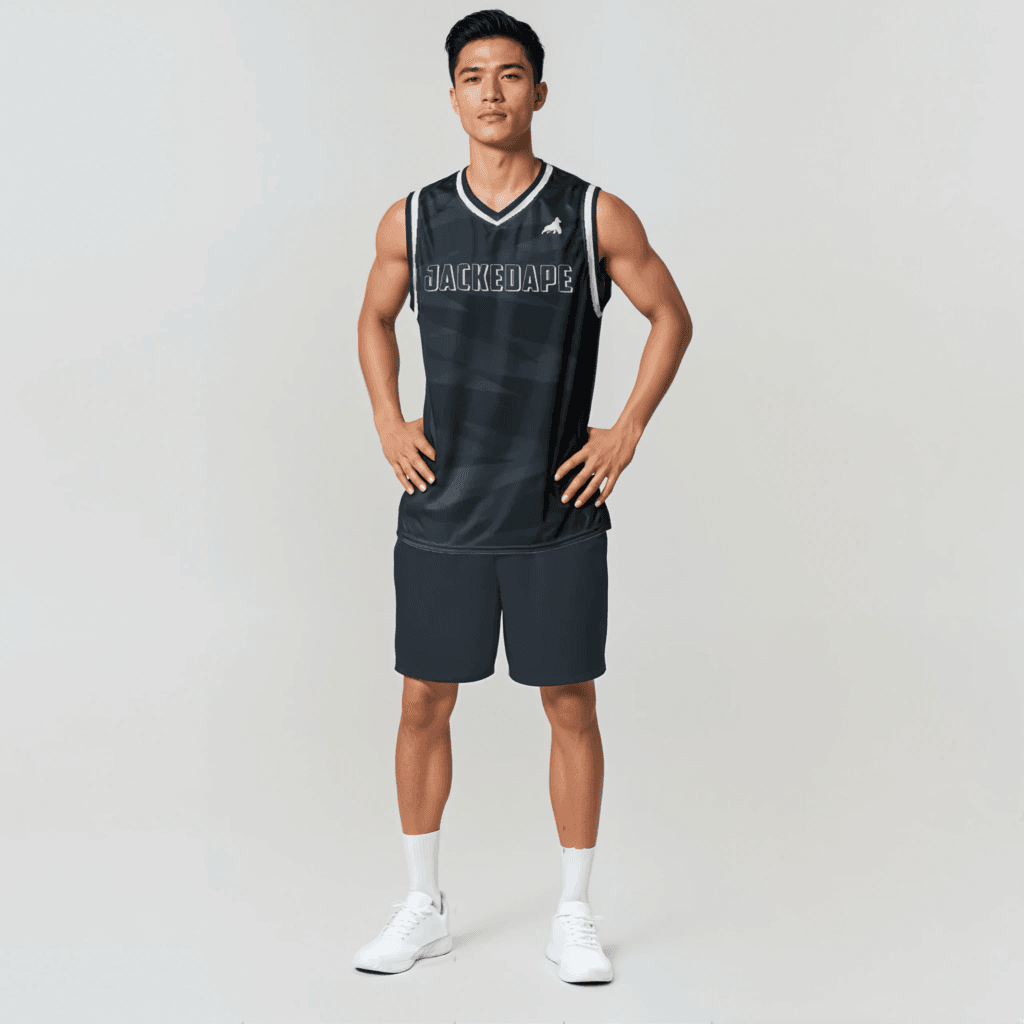
JackedApe builds apparel for athletes who demand performance and durability. The brand blends tactical design with combat-sports energy and rugged function. Moreover JackedApe focuses on serious performance gear made for heavy training and real-world use. Visit the site to learn more: JackedApe Official Site. Shop high-performance pieces here: JackedApe Shop. Read tips and product stories on the blog: JackedApe Blog.
In short pick shoes that match your goals and lift purpose. Also pair your footwear with durable apparel for complete performance. With the right gym sneakers and gear you will train harder and train smarter. Now step into the gym and move with intent.
Frequently Asked Questions (FAQs)
How do I choose the right gym sneakers?
Start with your main activity and goals. For example, choose running shoes for long runs. Also pick weightlifting shoes for heavy squats and cleans. Check heel drop, midsole stiffness, and toe box width. Try shoes with the socks you wear in the gym. Finally, perform the heel crush and midsole bend test.
How often should I replace gym sneakers?
It depends on use and miles. Running shoes often wear out after 300 to 500 miles. Training shoes usually last six to twelve months. However replace sooner if you feel pain or see midsole breakdown. Check for uneven outsole wear and reduced cushioning.
Can I use running shoes for lifting?
Running shoes work for light cardio and machines. However avoid them for heavy deadlifts and Olympic lifts. Their cushioned heels reduce floor connection. Instead use a flat shoe or barefoot-style shoe for deadlifts. For squats, consider a raised-heel weightlifting shoe.
How do I care for gym sneakers?
Clean them after sweaty sessions to prevent odors. Spot clean with mild soap and air dry in shade. Avoid machine washing and high heat. Rotate two pairs to extend life. In addition replace insoles when they compress.
Are specialized sneakers worth it?
Yes, specialized shoes improve safety and performance. Weightlifting shoes enhance squat mechanics and depth. Minimalist shoes boost floor feel for deadlifts. Cross trainers give versatile stability for mixed sessions. Therefore pick shoes that match your training demands.


Can Maingaining and calisthenics for beginners build lean mass?
Maingaining and calisthenics for beginners unlock efficient, lean muscle gains with minimal fluff. This approach...
How do thoracic spine stretches relieve desk pain?
Thoracic Spine Stretches Guide Thoracic spine stretches are essential for anyone who sits all day....
How does maingaining build lean muscle without bulk?
maingaining: build lean muscle without excessive bulk Maingaining puts muscle gain first while limiting excess...
Milano Cortina 2026 Winter Olympics: new sports spotlight?
New sports at the Milano Cortina 2026 Winter Olympics Anticipation is building across the fanbase...
How does Omorpho G-Vest Icon boost conditioning?
Omorpho G-Vest Icon The Omorpho G-Vest Icon is a layerable weighted vest for real training....
Why thoracic spine stretches boost breathing and mobility?
thoracic spine stretches Thoracic spine stretches unlock a freer mid-back and better posture. Sit for...
What is maingaining in a 4-week plan?
maingaining: Build Lean Muscle While Staying Agile Maingaining marries steady muscle growth with athletic fitness,...
What are the true benefits of weight loss transformation?
A weight loss transformation can rewrite how you live and feel. It changes more than...