






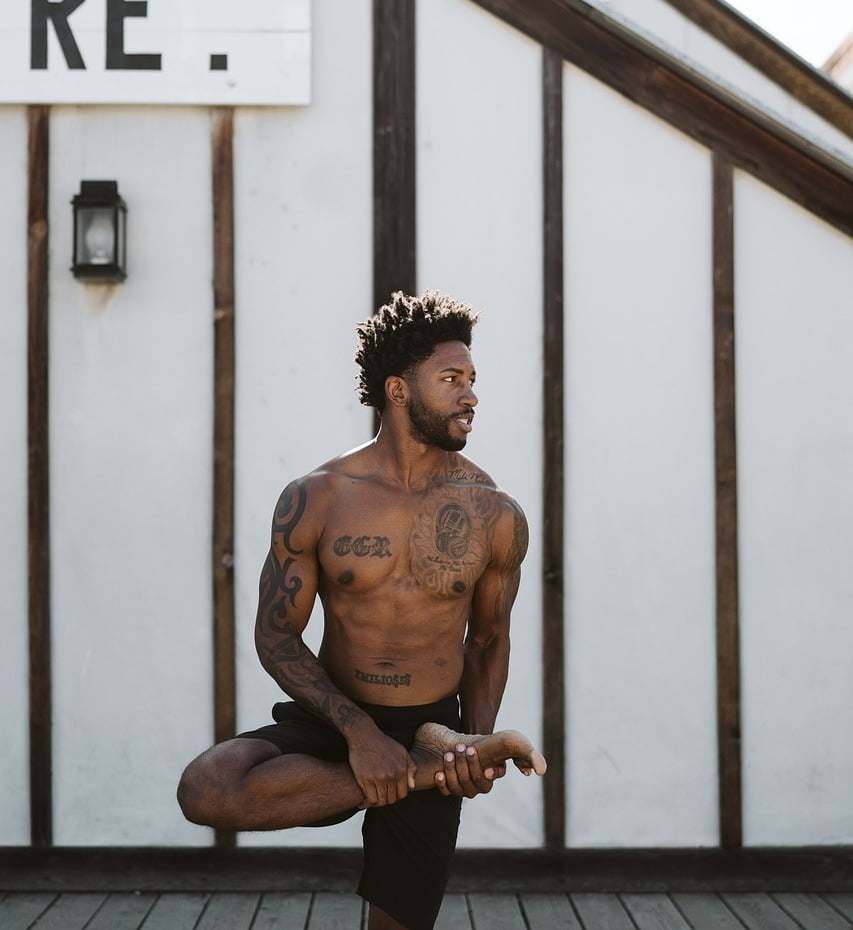
thoracic spine stretches
Thoracic spine stretches unlock a freer mid-back and better posture. Sit for hours and the T-spine locks into a hunched shape. However, simple mobility moves can reverse that tightness. Because the thoracic spine links the rib cage and shoulders, it affects posture. Improved thoracic mobility reduces mid-back stiffness and eases shoulder strain. Also, better rotation helps breathing, arm mechanics, and athletic performance. These stretches support spinal health without complex equipment. As a result, daily habits improve and pain often decreases. Use a foam roller or bench to make movements safe. Then progress to dynamic rotations and gentle extensions. Each move is practical for desk breaks or warm ups. Follow timing and rep suggestions for steady gains. Stay within comfort and consult a therapist if pain arises. By the end, expect looser mid-back and taller posture. Imagine sitting taller at your desk and reaching overhead with ease. This guide gives clear progressions and foam roller routines. It pairs mobility with strength for lasting results.
thoracic spine stretches: why they matter
Improving thoracic mobility changes how your body moves. Because the T-spine links the rib cage and shoulders, it affects posture and breathing. Better thoracic spine stretches ease mid-back stiffness and improve spinal rotation. As a result, you stand taller and move with less effort.
Benefits include both daily comfort and athletic edge. Use these short routines for desk breaks or warm ups. Also, consistent work reduces strain during lifts and throws.
- Better posture: Increased T-spine extension helps open the chest. Therefore, the shoulders sit back and the head aligns over the spine.
- Reduced pain: Mobility eases stiff joints and muscle tightness. In turn, this lowers mid-back and neck discomfort for desk workers.
- Enhanced athletic performance: Improved rotation boosts throwing and overhead mechanics. As a result, athletes gain power and safer movement patterns.
- Better breathing and core connection: Thoracic mobility lets the rib cage expand more. Consequently, breathing improves during effort.
Start with gentle foam roller or bench work. However, stay within comfort and avoid sharp pain. For more background on thoracic issues, see the full guide at the full guide. For general back pain info, visit the Mayo Clinic. These resources back up why mobility matters. Start slow and be consistent for lasting gains.
thoracic spine stretches: quick comparison
Below is a quick comparison of popular thoracic spine stretches to help you choose. Each row lists the stretch name and a clear description. It also lists the primary benefit, difficulty level, and recommended users.
| Stretch Name | Description | Primary Benefit | Difficulty Level | Recommended For |
|---|---|---|---|---|
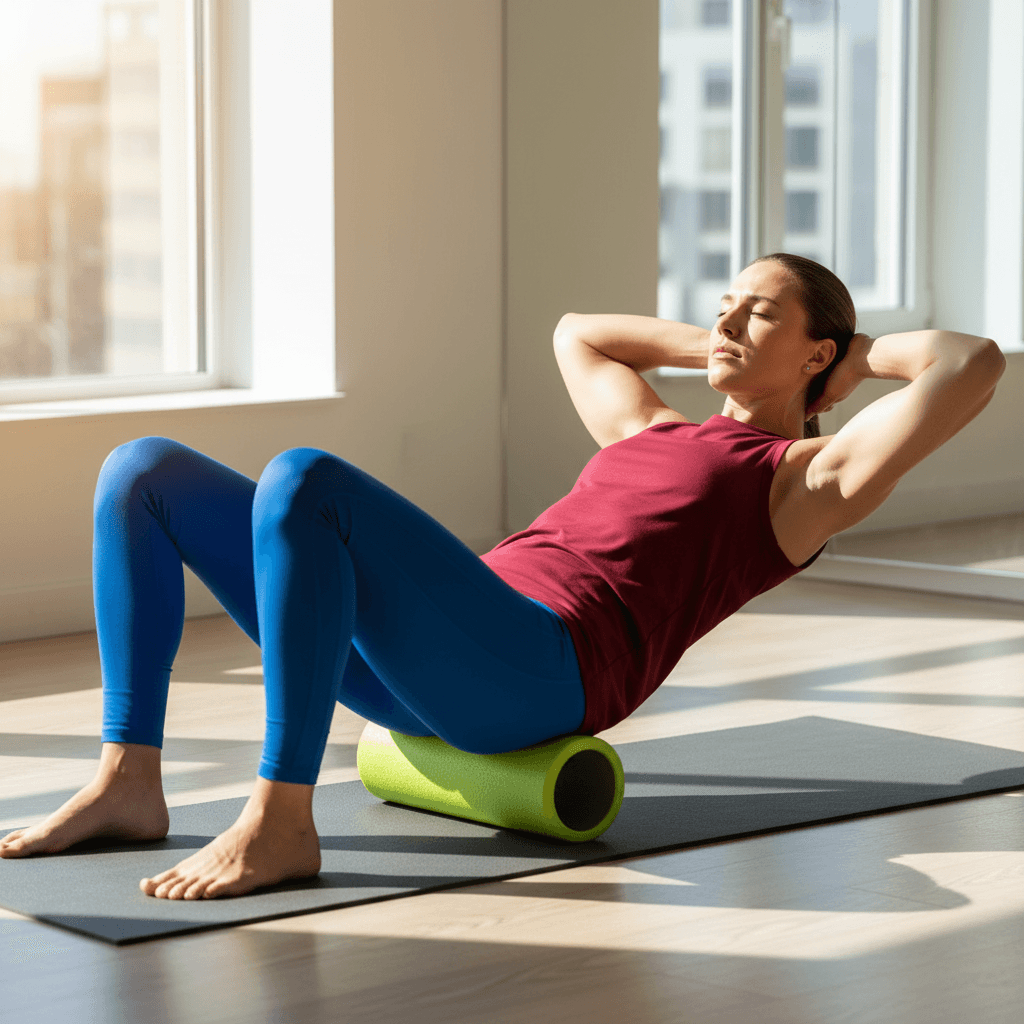
| Foam roller thoracic extension | Lie on a foam roller across the mid back. Knees bent, hands behind head, extend over the roller | Restores thoracic extension and releases mid-back stiffness | Easy | Desk workers and beginners |
| Seated thoracic rotation | Sit tall with hands behind the head. Rotate torso side to side | Improves spinal rotation and mobility for sitting | Easy | Office workers, warm ups |
| Thread the needle (quadruped rotation) | From all fours, thread one arm under the chest. Reach up and rotate open | Builds controlled rotation and thoracic opening | Moderate | Athletes and lifters |
| Box or bench kneeling extension | Kneel beside a bench at abdominal height. Place forearms on the bench. Lean back into extension | Provides deep extension for a stiff mid back | Moderate | Lifters and people with mid back tightness |
| Archer style end-of-day stretch | From a tall kneel, reach one arm across the body. Draw like an archer | Eases end-of-day tightness and restores mobility | Easy-Moderate | People who stand, move, or perform throwing sports |
Use these options in warm ups, desk breaks, or cool downs. Start easy and progress slowly. If pain appears, see a clinician.
thoracic spine stretches: step-by-step routine
Start with movement and then add gentle holds. Warm up for two to three minutes. For example, march in place or swing the arms.
Foam roller thoracic extension
- Position a foam roller under your mid back. Bend your knees and plant your feet. Place hands behind the head.
- Slowly extend over the roller for a gentle arch. Pause for one to two seconds, then return.
- Repeat for 8 to 12 reps. Rest and repeat two sets.
- Tip: Move the roller slightly up or down to target different T1 to T12 levels.
Seated thoracic rotation
- Sit tall and place hands behind the head. Keep hips stable and feet flat.
- Rotate the torso to the right, then left. Move through your available range.
- Perform 12 to 15 reps per side. Use a controlled tempo.
- Tip: Keep the hips still to isolate thoracic rotation.
Thread the needle (quadruped rotation)
- Start on all fours with a neutral spine. Slide one arm under your torso.
- Pause, then reach the same arm up toward the ceiling. Open the chest.
- Repeat 8 to 12 times per side. Perform two sets.
- Tip: Breathe into the rib cage to improve the stretch.
Box or bench kneeling extension
- Kneel beside a bench at abdominal height. Rest forearms on the bench.
- Lean back to create a controlled extension in the mid back. Hold briefly.
- Do 8 to 10 controlled reps. Use a pad under knees if needed.
- Tip: Keep neck neutral to avoid strain.
Archer style end-of-day stretch
- From a tall kneel, reach one arm across the body. Pull gently as if drawing a bow.
- Hold for 20 to 30 seconds. Repeat two to three times each side.
- Tip: Use this as a nightly reset to counter hunching.
thoracic spine stretches: frequency, duration, and safety tips
Perform mobility drills daily when you sit a lot. However, intense holds only need three sessions per week.
- Desk-break routine: 10 reps every 60 to 90 minutes when seated for long periods.
- Warm up before training: 8 to 15 rotation reps per side.
- Recovery and nightly reset: 20 to 30 second holds, two to three rounds.
Avoid common mistakes
- Do not force range beyond comfort. Forcing motion risks injury.
- Avoid shrugging the shoulders during rotation. Instead, keep the ribs open.
- Do not bend excessively at the low back. Isolate the thoracic spine.
Progression and consistency
- Start easy and add reps gradually. As a result, mobility improves safely.
- Combine these stretches with posture work and thoracic-strength exercises.
- If pain emerges or symptoms worsen, consult a physical therapist or physician.
Use this step-by-step plan to restore mid-back mobility. Stay consistent and patient. You will notice better posture and less stiffness over time.
CONCLUSION
Thoracic spine stretches are foundational for fitness and athletic longevity. They restore mid back mobility, improve posture, and reduce pain. Because mobility affects breathing and shoulder mechanics, it matters for athletes. As a result, movement becomes cleaner and training feels easier.
Improved T spine rotation boosts overhead lifts and throwing mechanics. Consequently, athletes generate more force with safer patterns. Better rib cage expansion also enhances breathing under load.
JackedApe builds high performance fitness and combat apparel for serious athletes. Their gear fits training demands and supports mobility work. Explore the brand at JackedApe. Shop performance gear at JackedApe Shop. Read training guides at JackedApe Blog. Follow updates on X at JackedApe HQ.
Prioritize mobility in your routine starting today. Therefore, add short thoracic spine stretches to warm ups and breaks. Try JackedApe gear for training that supports movement and grit. Start small, be consistent, and notice the difference.
Commit to a four week plan and track progress. As a result, posture and performance will improve. If pain persists, consult a clinician.
Frequently Asked Questions (FAQs)
Are thoracic spine stretches safe?
Yes, most people can perform these mobility drills safely. However, stop if you feel sharp pain. Because every spine differs, consult a physical therapist when in doubt. People with recent fractures or unstable spines need medical clearance.
How long should I hold each stretch or repeat movements?
Hold static extension or archer positions for 20 to 30 seconds. For dynamic rotations, do 8 to 15 controlled reps per side. Also, use short sets for desk breaks — aim for 10 reps every 60 to 90 minutes.
How often should I do thoracic spine stretches to see results?
Do brief routines daily if you sit often. For deeper mobility work, perform focused sessions three times per week. As a result, most people notice improved posture within two to four weeks.
Who should avoid or modify these stretches?
Modify if you have osteoporosis, recent thoracic surgery, or acute pain. Athletes with spinal conditions should get a clinician’s guidance first.
What else speeds progress besides stretching?
Combine mobility with thoracic strength and posture exercises. Also, use tools like a foam roller and a stable bench for effective results.


Can Maingaining and calisthenics for beginners build lean mass?
Maingaining and calisthenics for beginners unlock efficient, lean muscle gains with minimal fluff. This approach...
How do thoracic spine stretches relieve desk pain?
Thoracic Spine Stretches Guide Thoracic spine stretches are essential for anyone who sits all day....
How does maingaining build lean muscle without bulk?
maingaining: build lean muscle without excessive bulk Maingaining puts muscle gain first while limiting excess...
Milano Cortina 2026 Winter Olympics: new sports spotlight?
New sports at the Milano Cortina 2026 Winter Olympics Anticipation is building across the fanbase...
How does Omorpho G-Vest Icon boost conditioning?
Omorpho G-Vest Icon The Omorpho G-Vest Icon is a layerable weighted vest for real training....
Why thoracic spine stretches boost breathing and mobility?
thoracic spine stretches Thoracic spine stretches unlock a freer mid-back and better posture. Sit for...
What is maingaining in a 4-week plan?
maingaining: Build Lean Muscle While Staying Agile Maingaining marries steady muscle growth with athletic fitness,...
What are the true benefits of weight loss transformation?
A weight loss transformation can rewrite how you live and feel. It changes more than...