



This at-home pushup workout can reshape your strength and save your time. It fits small spaces, needs no equipment, and scales across levels. Whether you are a beginner or an advanced lifter, you will benefit. Because pushups train your pecs, triceps, core, and lats, they deliver big results. Plus, variations and pauses let you keep progressing after 15 to 20 reps.
Start with strict form and a flawless plank, because form matters more than reps. Then add archer, half-typewriter, or post pushups to challenge each side. However, you can use pauses, time-under-tension, and dropsets to increase intensity. Do this routine two to three times weekly, with at least one rest day. As a result, you will build muscle, endurance, and better press mechanics. Best of all, you can progress without a gym membership or heavy plates. So read on for specific progressions, programming tips, and recovery tools. You will feel stronger every week.
Physical benefits of an at-home pushup workout
Pushups build upper body strength quickly. Because the movement recruits chest, triceps, and shoulders, it triggers muscle growth. In addition, pushups train your core and glutes for stability. Try pushup variations like archer and half-typewriter for unilateral loading. For guided progressions, see this plan on Men’s Health. The half-typewriter increases time under tension and provokes a chest pump. Learn the move here: Men’s Health.
Benefits include
- Increased upper body strength and muscular endurance
- Better pressing mechanics compared with bench pressing
- Improved core stability and shoulder health when done correctly
- Scalable hypertrophy via time-under-tension, pauses, and dropsets
Mental benefits of an at-home pushup workout
Short sessions boost confidence. As a result, consistency improves. Because you can measure progress by reps and control, workouts feel rewarding. Pushup challenges reduce stress through movement and breath. Plus, mastering a tough variation boosts motivation.
Convenience and lifestyle benefits of an at-home pushup workout
You need minimal space and no heavy plates. Therefore, you can train anytime. Home fitness fits busy schedules and travel. For extra variety, add a portable tool like LunaFit – Multifunction Pilates Bar with Resistance Bands.
Examples
- EMOMs and AMRAPs deliver time-efficient conditioning
- Pair pushup days with pullup or rows on rest days
- Train two to three times per week and rest at least one day
These benefits make pushups ideal for beginners and advanced lifters. So commit to small, steady progress and watch strength grow.
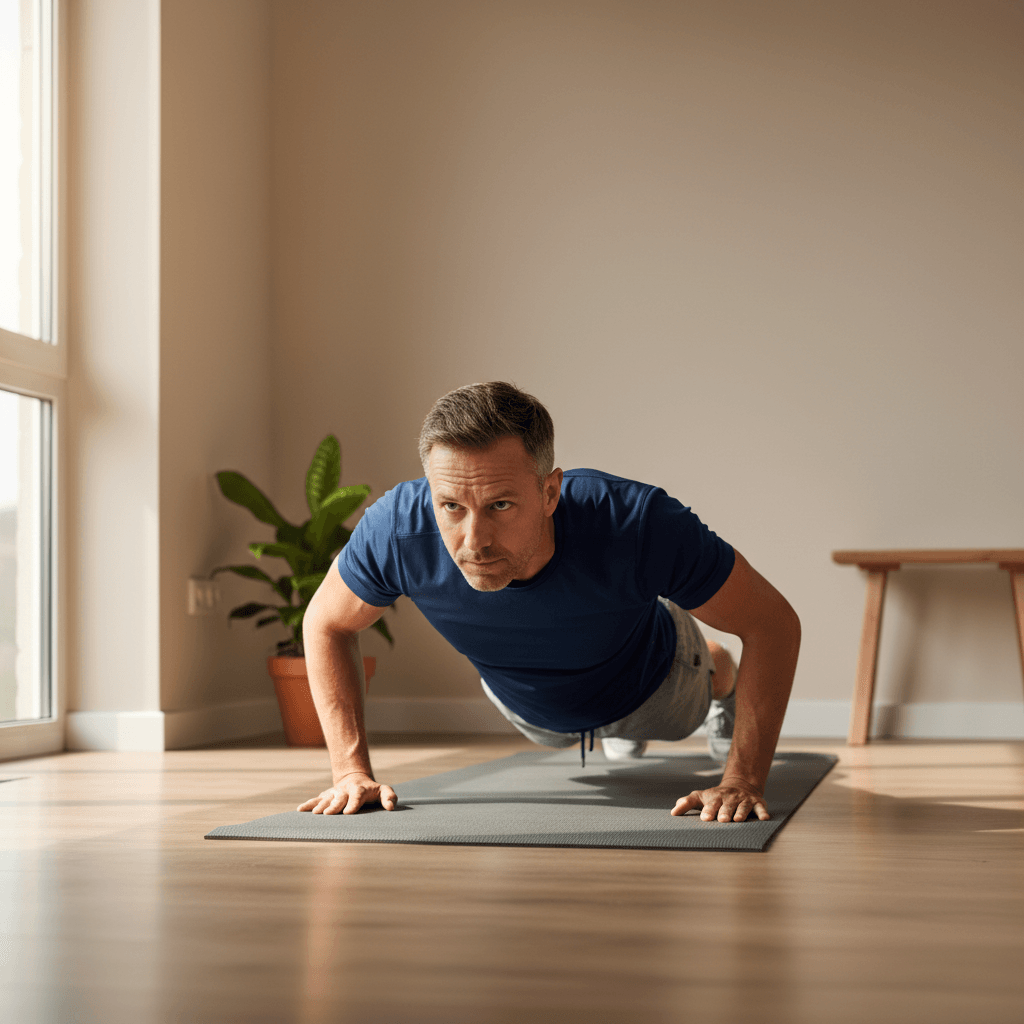
Beginner at-home pushup workout variations
Start with the basics to build a solid base. Try incline pushups on a bench or table. Alternatively, do knee pushups to reduce load. Because form matters, focus on a flawless plank and full range of motion. For guidance on technique and regressions, see ACE Fitness: ACE Fitness guide.
Variations to try
- Incline pushups using a sturdy surface
- Knee pushups with a tight core
- Negative pushups where you lower slowly
Intermediate at-home pushup workout variations
Once you can do 15 to 20 clean reps, progress. Try standard pushups with tempo changes. Also add unilateral loading through archer pushups. In addition, half-typewriter pushups build time under tension. These moves increase challenge without gym gear.
Variations to try
- Standard pushups with a three second descent
- Archer pushups for side to side strength
- Half-typewriter pushups for unilateral control
Advanced at-home pushup workout variations
When you need more challenge, shift leverage and power. Progress to post pushups and single arm work. Also add plyometric reps for explosiveness. For plyo examples, check NSCA depth drop guidance: NSCA depth drop guidance.
Variations to try
- Post pushups toward single arm strength
- One arm pushups for high intensity
- Depth drop or explosive pushups for power
Progressive overload for your at-home pushup workout
Progressive overload drives strength gains. Therefore, change one variable at a time. Increase reps and sets slowly. Then alter leverage or tempo to add difficulty. Also use pauses, holds, and dropsets to remove momentum. Finally, track results and adjust weekly. As a result, you will keep improving with consistency.
| Pushup Type | Difficulty Level | Primary Muscles Worked | Benefits |
|---|---|---|---|
| Knee Pushup | Beginner | Chest, triceps, core | Reduces load, teaches plank, builds base |
| Incline Pushup | Beginner to Intermediate | Chest, shoulders, triceps, core | Easier leverage, builds strength, improves range of motion |
| Standard Pushup | Intermediate | Chest, triceps, shoulders, core | Builds balanced upper body strength |
| Half-Typewriter Pushup | Intermediate | Chest, triceps, lats, core | Increases time under tension, improves unilateral control |
| Archer Pushup | Intermediate to Advanced | Chest, triceps, shoulders, core | Unilateral strength, progresses toward one-arm pushups |
| Post Pushup | Advanced | Chest, triceps, shoulders, core | Shifts load to one side, builds single-side strength |
| One-Arm Pushup | Advanced | Chest, triceps, core, glutes | Maximal unilateral strength and core demand |
| Plyometric Pushup | Advanced | Chest, triceps, shoulders, core | Adds power and explosiveness for athletic performance |
Conclusion
An at-home pushup workout offers clear value for anyone who wants stronger pecs, triceps, and a rock-solid core. Because pushups scale from knee regressions to one-arm power moves, they suit beginners and elite athletes. Use progressive overload by changing reps, leverage, tempo, and time under tension to keep gains coming. Also pair pushup days with pulling movements on off days to maintain muscular balance.
This routine is efficient, affordable, and adaptable. Therefore, you can train around work, travel, or a busy family life without losing progress. With consistent practice, you will notice more strength, better pressing mechanics, and higher confidence.
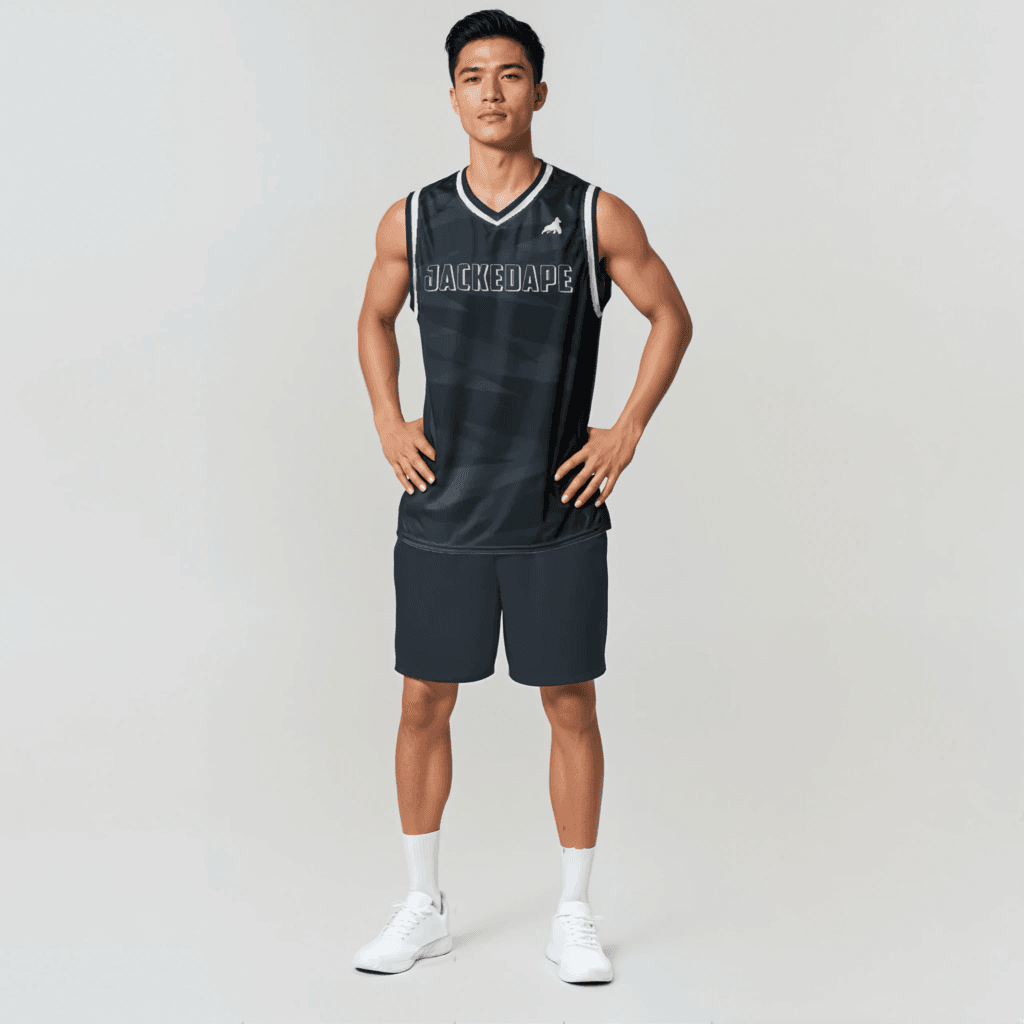
JackedApe supports serious training with high-performance fitness apparel built for durability and comfort. Browse performance gear and find items that move with you at JackedApe and shop the collection here: shop the collection.
Frequently Asked Questions
What is the correct form for an at-home pushup workout?
Start in a flawless plank with a tight core and neutral spine. Then set your hands under your shoulders and turn the pits of your elbows forward to engage the lats. Lower your chest to within an inch of the floor and squeeze the shoulder blades. Press all the way up without letting your hips sag. Because form matters more than reps, stop and regress if you lose tightness.
How often should I do an at-home pushup workout?
Train pushups two to three times per week. Rest at least one full day between sessions for recovery. Also train pulling movements, such as rows or pullups, on off days for balance. If you feel persistent fatigue, reduce frequency or volume.
How do I progress when I can do 15 to 20 reps?
Use progressive overload to force gains. First increase sets or reps slowly. Then change leverage with incline or post pushups. In addition, add tempo, pauses, and time under tension to remove momentum. Finally track your numbers and adjust weekly so you keep improving.
Which pushup variations should I try for different goals?
Use variations to match your aims:
- For strength and size, try dropsets and slow eccentrics.
- For unilateral balance, try archer and half-typewriter pushups.
- For power, add plyometric or depth drop pushups.
These options help align training to goals.
Do I need equipment for the best results?
No heavy gear is required for progress. However, small tools can help. For example, a sturdy elevated surface, resistance band, or a compact bar adds variety. Also, weighted vests and plates offer loading when needed. Ultimately bodyweight pushups alone build meaningful upper body strength and core control.


Can Maingaining and calisthenics for beginners build lean mass?
Maingaining and calisthenics for beginners unlock efficient, lean muscle gains with minimal fluff. This approach...
How do thoracic spine stretches relieve desk pain?
Thoracic Spine Stretches Guide Thoracic spine stretches are essential for anyone who sits all day....
How does maingaining build lean muscle without bulk?
maingaining: build lean muscle without excessive bulk Maingaining puts muscle gain first while limiting excess...
Milano Cortina 2026 Winter Olympics: new sports spotlight?
New sports at the Milano Cortina 2026 Winter Olympics Anticipation is building across the fanbase...
How does Omorpho G-Vest Icon boost conditioning?
Omorpho G-Vest Icon The Omorpho G-Vest Icon is a layerable weighted vest for real training....
Why thoracic spine stretches boost breathing and mobility?
thoracic spine stretches Thoracic spine stretches unlock a freer mid-back and better posture. Sit for...
What is maingaining in a 4-week plan?
maingaining: Build Lean Muscle While Staying Agile Maingaining marries steady muscle growth with athletic fitness,...
What are the true benefits of weight loss transformation?
A weight loss transformation can rewrite how you live and feel. It changes more than...