







Muscle soreness hits most lifters after a hard session. However, it does not always mean you failed your workout. Because it stems from small micro-tears and inflammation, it signals adaptation. In this guide we break down delayed onset muscle soreness, often called DOMS, and demystify what triggers it: microscopic muscle fiber micro-tears, local inflammation, and the nervous system’s protective response; we then offer practical, science-backed recovery strategies you can use immediately, including active recovery sessions, targeted mobility drills, progressive foam rolling, percussive therapy, guided trigger point release, adequate sleep, smart nutrition, and gradual progression plans to build strength without relying on soreness as a gauge; importantly we teach how to tell true muscle soreness from joint pain, why chasing constant soreness sabotages progress and increases injury risk, and how to program progressive overload safely so your gains last, which will help you train with confidence and consistency and enjoy long-term results.
What muscle soreness means and why it happens
Muscle soreness commonly shows up after new or intense workouts. It often appears 24 to 72 hours later. This delay is called DOMS or delayed onset muscle soreness. DOMS stems from microscopic damage to muscle fibers. Because those micro-tears trigger inflammation, your body responds with soreness and stiffness. However, soreness does not always equal a better workout. It simply signals adaptation and repair.
Common causes
- Eccentric loading and unfamiliar movements: lengthening contractions create more micro-tears.
- High volume or intensity: heavy sets or many reps cause greater tissue stress.
- Rapid progression: increasing load too fast overwhelms recovery.
- Poor exercise form: faulty mechanics shift load to wrong muscles and joints.
- Inadequate recovery: low sleep, poor nutrition, or low hydration impair muscle recovery.
- Overtraining: chronic overload leads to persistent soreness and fatigue.
Common symptoms
- Localized muscle pain and tenderness when touched.
- Stiffness and reduced range of motion for 1 to 3 days.
- Weakness in the affected muscle during the first days.
- Pain that peaks 24 to 72 hours after exercise.
- General achiness but not sharp joint pain; if joints hurt, seek care.
For practical recovery tips, including foam rolling and mobility, see this article. For back specific strategies, check this guide. If pain alters your movement, learn more about causes and remedies at this resource.
Related keywords and synonyms: delayed onset muscle soreness, post-workout pain, micro-tears, inflammation, progressive overload, hypertrophy, recovery strategies.
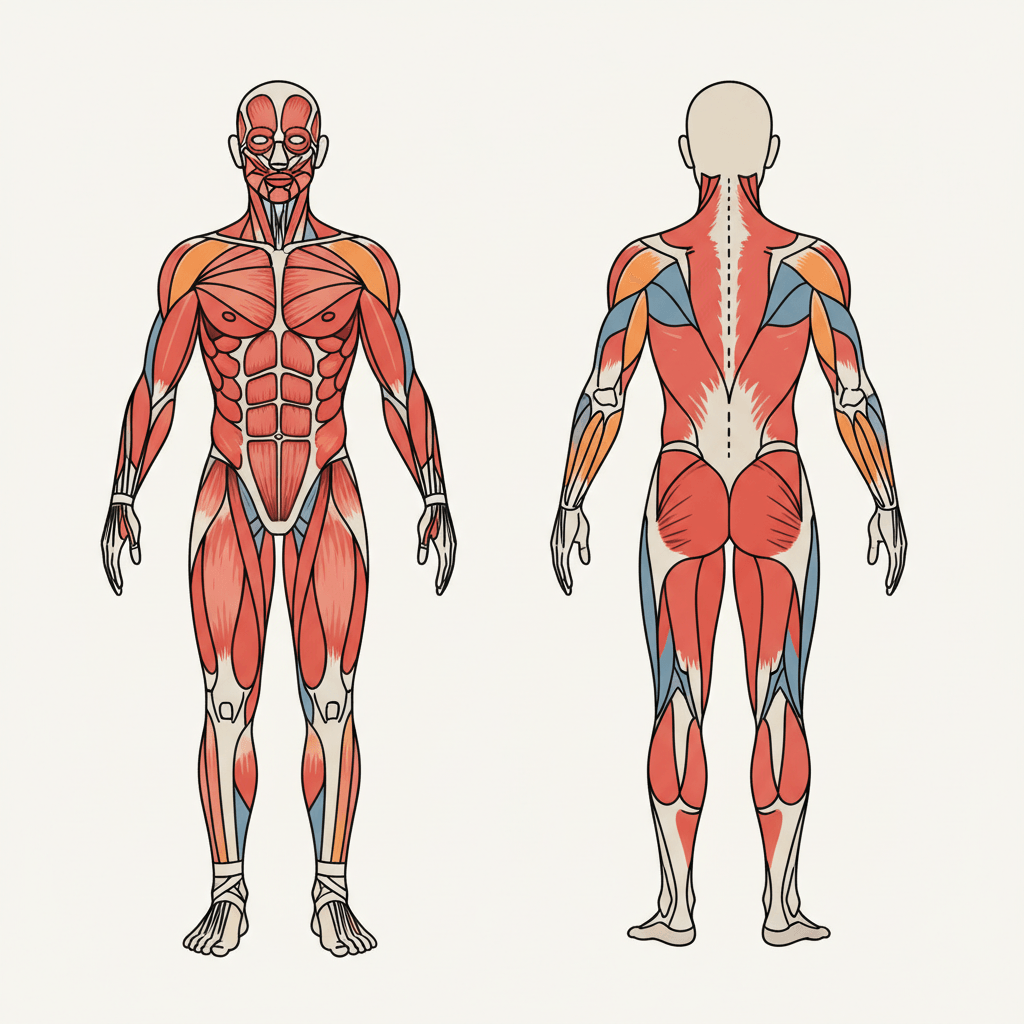
Evidence-based treatments for muscle soreness
Evidence-based treatments reduce pain and speed muscle recovery. Because DOMS stems from micro-tears and inflammation, targeted recovery helps. Below are proven strategies to ease post-workout pain and prevent injury.
Active recovery
- Light, low-intensity movement increases blood flow and clears metabolites.
- Studies show active recovery reduces DOMS compared with complete rest. See the systematic review: Systematic Review on Active Recovery.
Stretching and mobility
- Static stretching alone offers minimal DOMS reduction after exercise.
- However, gentle mobility work reduces stiffness and improves range of motion.
Hydration
- Staying hydrated supports circulation and performance during recovery.
- Still, dehydration shows little direct increase in DOMS in some studies. See: Study on Hydration and DOMS.
Nutrition for muscle pain relief
- Prioritize protein after training to repair muscle fibers and support hypertrophy.
- Branched-chain amino acids can reduce soreness, according to a meta-analysis: Meta-analysis on BCAAs.
- Also, anti-inflammatory foods and antioxidants may blunt excessive inflammation.
Rest and sleep
- Adequate rest allows repair and adaptation to training stress.
- Inadequate sleep prolongs soreness and limits strength gains.
Other recovery techniques
- Foam rolling and self-massage reduce soreness and improve short-term function.
- Percussive therapy and light cold exposure offer modest benefits in studies.
Experts note the limits of soreness as a measure of progress.
Contrary to popular belief, the level of soreness you’re feeling in your body has nothing to do with whether you had an effective workout or not.
You want to train just hard enough in every single workout to be able to hit your next workout feeling fresh.
Combine these methods and track performance, not just pain.
Quick comparison of muscle soreness treatments
Pick recovery tools based on soreness level and training goals. However, do not chase soreness as proof of progress. Also, prioritize performance and consistency over pain.
| Treatment | Pros | Cons | Recommended usage |
|---|---|---|---|
| Ice baths | Reduces acute inflammation and pain | Can blunt long-term adaptation if overused | Short-term relief after very intense sessions |
| Foam rolling | Improves mobility and reduces perceived soreness | Can be uncomfortable for sensitive areas | Daily or post-workout self-myofascial release |
| Massage / percussive therapy | Targets tight spots and improves circulation | Costly or painful at high intensity | Use 10 to 15 minutes on problem areas |
| Stretching | Restores range of motion and eases stiffness | Limited effect on DOMS when used alone | Gentle mobility work pre or post workout |
| Anti-inflammatory medications (NSAIDs) | Fast pain relief for severe soreness | May impair muscle repair if used chronically | Short term use when pain limits movement |
In addition, these recovery techniques support muscle pain relief and injury prevention. Try one or two techniques at a time. Track performance and recovery, and then adjust your plan.
Conclusion
Muscle soreness tells a story about stress and adaptation. However, it does not always mean a better workout. DOMS comes from tiny micro-tears and inflammation because muscles rebuild stronger. Therefore, track progress with performance metrics, not just pain.
Importantly, use evidence-based recovery: active recovery, targeted mobility, sleep, and nutrition. Additionally, foam rolling, percussive therapy, and strategic rest speed repair. Also, avoid chasing soreness to prevent overtraining and injury. Progressive overload should guide your strength plan over chasing pain. Because recovery compounds, small choices yield big gains.
JackedApe backs athletes who train with intensity. Our brand focuses on high-performance fitness and combat apparel. We build durable, functional, battle-ready gear for active lives. Explore tools and products to support recovery and performance at JackedApe. Shop premium recovery and training gear at JackedApe Shop. Read more training and recovery guides at JackedApe Blog. Stay consistent and prioritize movement quality. You deserve gear that keeps pace. Train smart, recover well, and keep showing up. Visit JackedApe and equip yourself for consistent gains.
Frequently Asked Questions (FAQs)
What causes muscle soreness?
Muscle soreness usually comes from delayed onset muscle soreness or DOMS. It occurs when workouts cause tiny micro-tears in muscle fibers because of eccentric loading or unfamiliar movements. This damage triggers local inflammation and pain. Rapid progression or poor exercise form also increases soreness.
How long does muscle soreness last?
Most soreness peaks 24 to 72 hours after exercise. Mild cases fade in two to three days. However, severe soreness can persist up to a week. If pain limits movement or lasts longer, seek medical advice.
How can I prevent muscle soreness?
Prevent it by using progressive overload and sensible programming. Warm up thoroughly and use controlled tempo during lifts. Also prioritize sleep, protein intake, and hydration. Finally, practice good technique to avoid misplaced stress.
What treatments relieve muscle soreness?
Try active recovery like walking or light cycling to boost blood flow. Use foam rolling or self-massage for trigger point release. Percussive therapy and cold exposure can help short term. Avoid chronic NSAID use because it may blunt adaptation.
When should I see a doctor?
See a medical professional if you have sharp joint pain, numbness, severe swelling, or fever. Also seek care when weakness prevents basic movement. Early assessment prevents serious injury.


Can Maingaining and calisthenics for beginners build lean mass?
Maingaining and calisthenics for beginners unlock efficient, lean muscle gains with minimal fluff. This approach...
How do thoracic spine stretches relieve desk pain?
Thoracic Spine Stretches Guide Thoracic spine stretches are essential for anyone who sits all day....
How does maingaining build lean muscle without bulk?
maingaining: build lean muscle without excessive bulk Maingaining puts muscle gain first while limiting excess...
Milano Cortina 2026 Winter Olympics: new sports spotlight?
New sports at the Milano Cortina 2026 Winter Olympics Anticipation is building across the fanbase...
How does Omorpho G-Vest Icon boost conditioning?
Omorpho G-Vest Icon The Omorpho G-Vest Icon is a layerable weighted vest for real training....
Why thoracic spine stretches boost breathing and mobility?
thoracic spine stretches Thoracic spine stretches unlock a freer mid-back and better posture. Sit for...
What is maingaining in a 4-week plan?
maingaining: Build Lean Muscle While Staying Agile Maingaining marries steady muscle growth with athletic fitness,...
What are the true benefits of weight loss transformation?
A weight loss transformation can rewrite how you live and feel. It changes more than...