


Finding the best walking shoes for men can change your daily routine. The right pair makes walking easier and more enjoyable. Because comfort matters, good cushioning and fit reduce pain. Therefore you move farther and recover faster.
Choosing shoes affects injury prevention and long term fitness. However, not all walking shoes match every foot. Consider arch types, toe box room, and midsole cushioning. Also think about stability needs, zero drop options, and trail walking shoes.
This guide will walk you through fit, support, and durability. We tested dozens of models and logged miles in more than 40 pairs. Therefore you will learn when to replace shoes and how to choose. Along the way, we cover city walking, max cushion picks, and trail options. Read on and find the pair that keeps you moving.
We explain cushioning styles like CMEVA and nitrogen infused foam. We also highlight breathable uppers, heel counters, and wide toebox options. Because everyone walks differently, you will find options for neutral and stability needs. Finally, we offer quick fit checks and replacement guidelines.
Key features to look for in the best walking shoes for men
Choosing shoes can boost comfort and reduce injury. Because walking adds daily stress, pick features that protect your body. The list below breaks down the essentials so you can shop with confidence.
Short checklist
- Cushioning
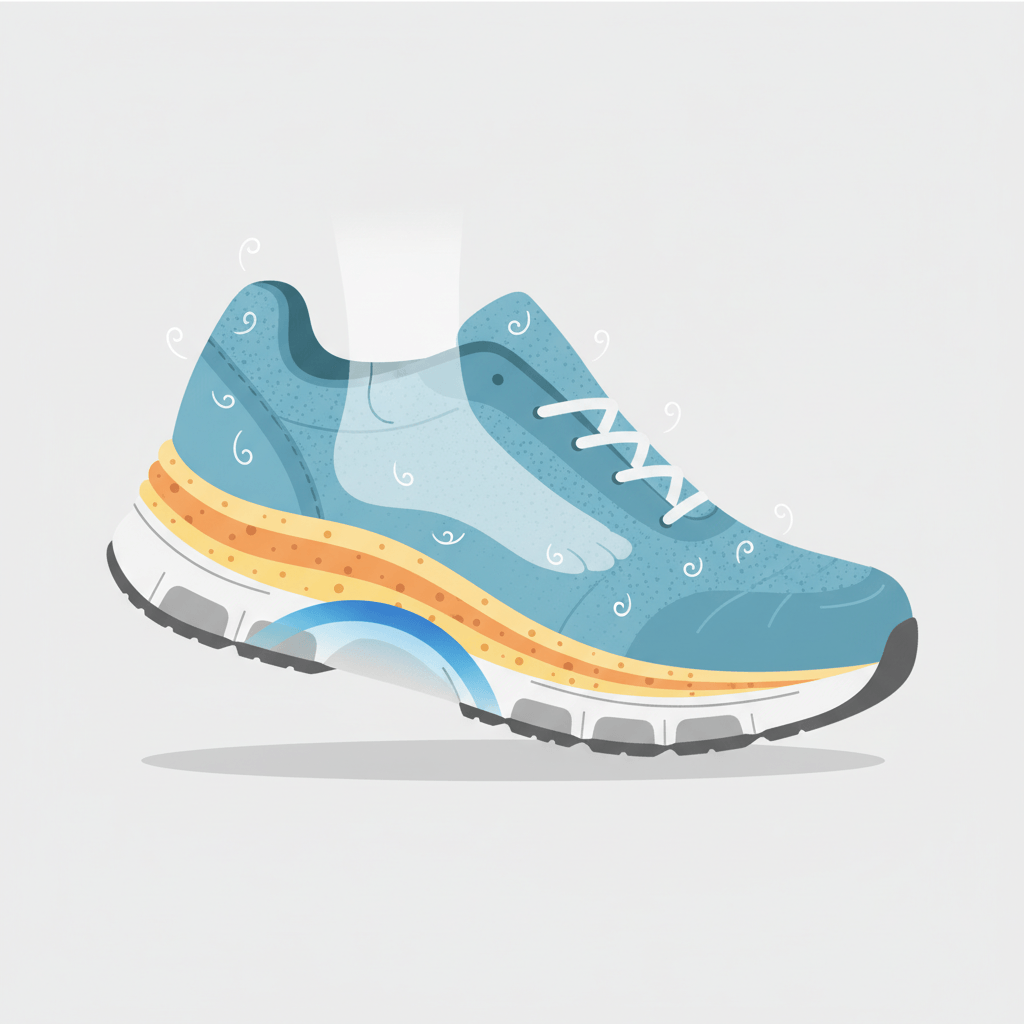
- Look for responsive midsole foam such as CMEVA or nitrogen infused foams. These absorb shock and reduce joint strain. For example, high stack shoes feel softer underfoot but still return energy.
- Stability and support
- Choose dual density midsoles or H frame systems for overpronation. However, neutral walkers may prefer a more flexible midsole.
- Fit and toe box
- The shoe should feel snug at the heel and roomy in the toe. Also wear your walking socks when trying them on because feet swell with activity.
- Breathable upper material
- Pick jacquard mesh or knit uppers for airflow. Breathability reduces hot spots and blisters.
- Sole flexibility and traction
- The forefoot needs to bend naturally with your toes. Meanwhile, durable rubber lugs improve grip for trails and wet pavements.
- Weight and durability
- Aim under 11 ounces for most day shoes. However, stability and trail shoes can weigh more for protection.
- Special features to consider
- Zero drop for a natural stride, roomy toe box for bunions, and APMA recognition for podiatric guidance.
Practical tips
Start by testing shoes on a short walk. Also check replacement guidelines because shoes lose cushioning after 300 to 600 miles. Finally, if you want gear or related reading, visit our shop: Jackedape Shop and learn about mobility and confidence here: Learning Golf at 40. For orthotic guidance and walking tips, see the American Podiatric Medical Association and the American Council on Exercise.
Top picks for the best walking shoes for men
| Brand and Model | Price Range | Key Features | Pros | Cons | Ideal Use Case |
|---|---|---|---|---|---|
| Hoka Clifton 10 | $120–$160 | High stack CMEVA foam; Metarocker geometry | Ultra cushion and smooth roll; lightweight feel | Bulky for some walkers | Long city walks and recovery days |
| Asics Gel-Nimbus 27 | $140–$170 | GEL cushioning; 8mm drop; plush midsole | Excellent shock absorption; durable foam | Higher drop may not suit zero drop fans | Daily high mileage walking |
| Brooks Glycerin 22 | $130–$160 | Nitrogen infused midsole foam; plush upper | Soft underfoot; great fit for neutral feet | Can feel warm in hot weather | Neutral walkers seeking max cushion |
| On Cloud X4 | $120–$150 | Hellion superfoam; X shaped Speedboard | Responsive and light; good energy return | Less roomy toe box for wide feet | Faster walks and mixed workouts |
| Kuru ATOM Trail | $130–$160 | Proprietary Kuru Sole; vegan materials | Protective trail grip; stable ride | Heavier than road shoes | Trail walking and uneven terrain |
| Hoka Arahi 8 | $120–$150 | Dual density CMEVA; H Frame stability | Reliable stability without stiffness | Not as soft as max cushion shoes | Overpronators needing support |
| Altra Via Olympus 2 | $160–$200 | Roomy toe box; zero drop; high stack | Natural toe splay; comfortable long miles | Takes time to adapt to zero drop | Walkers who prefer natural stride |
Notes
- Price ranges vary by retailer and colorway. Therefore check current pricing before buying.
- Replace shoes after 300–600 miles, because cushioning degrades over time.
- Test shoes with walking socks to confirm fit and comfort before purchase.
How to choose the best walking shoes for men
Choosing the right shoe starts with your foot. First, identify your arch type. Then match cushioning and support to that shape.
Know your foot type
- Neutral arch
- Choose flexible midsoles with moderate cushion for a natural gait.
- High arch
- Seek extra cushioning and good shock absorption to reduce strain.
- Flat foot or low arch
- Prefer stability shoes or dual density midsoles to control pronation.
Match shoes to your walking style and frequency
- Casual walkers
- Pick lightweight daily shoes with breathable uppers and reliable traction.
- High mileage walkers
- Opt for high stack cushioning and durable foam for long wear.
- Trail or uneven surfaces
- Look for aggressive tread and protective toe caps.
Budget and value tips
- Under $100
- You can get solid basics for casual use and short walks.
- $100 to $160
- Expect better midsole tech and longer durability.
- $160 and up
- You pay for advanced foams, unique geometry, or premium materials.
Fit checklist and practical advice
- Try shoes on with walking socks and at the end of the day.
- Ensure snug heel fit and a roomy toe box for toe splay.
- Walk a few minutes in the store, and test forefoot bend.
- If you need orthotics, bring them to your fitting session.
When to replace and final checks
- Replace shoes after 300 to 600 miles because cushioning degrades.
- Also consider podiatric advice for chronic issues; see the American Podiatric Medical Association.
- In addition, walking programs and progressive training tips are available from the American Council on Exercise.
Use this guide as a practical map. Then choose shoes that help you walk more and recover better.
Conclusion
The right shoes change how you move and recover. Because cushioning and fit protect your joints, you can walk more without pain. Therefore pick shoes that match your arch, walking style, and mileage.
JackedApe builds performance apparel with the same care we recommend for footwear. In addition to durable fabrics, JackedApe focuses on mobility and comfort. Their pieces pair well with supportive shoes for longer walks and harder workouts. Consider both footwear and apparel when you plan training and recovery.
Take action today. First, test shoes with your walking socks and on a short walk. Then match apparel to body temperature and movement. Finally, replace shoes after 300 to 600 miles to keep cushioning protective.
Learn more and shop with confidence at JackedApe. Website: JackedApe Shop: Mesh Trucker Cap Blog: Learning Golf at 40
Frequently Asked Questions (FAQs)
What are the best walking shoes for men?
There is no single best shoe for everyone. The best walking shoes for men prioritize cushioning, fit, and stability. Also consider arch type, toe box room, and intended use. For high mileage, choose high stack cushioning. For trails, choose grippy outsoles.
How often should I replace my walking shoes?
Replace shoes after 300 to 600 miles. Shoes lose cushioning and support over time. Therefore track mileage or swap every 3 to 5 months if you walk regularly.
How should walking shoes fit?
Shoes should feel snug at the heel and roomy at the toes. Also wear walking socks when trying them. Walk for a few minutes and test forefoot bend. If your heel slips, try a different size.
Should I choose zero drop or a higher drop shoe?
Zero drop encourages a natural stride, but it requires adaptation. However, higher drop offers extra heel cushioning and may ease transition. Therefore match drop to your gait and comfort.
Can I use running shoes for walking?
Yes, many running shoes work well for walking. However, look for durable cushioning and a flexible forefoot. Finally, choose shoes that fit your daily routine and keep you comfortable.


Can Maingaining and calisthenics for beginners build lean mass?
Maingaining and calisthenics for beginners unlock efficient, lean muscle gains with minimal fluff. This approach...
How do thoracic spine stretches relieve desk pain?
Thoracic Spine Stretches Guide Thoracic spine stretches are essential for anyone who sits all day....
How does maingaining build lean muscle without bulk?
maingaining: build lean muscle without excessive bulk Maingaining puts muscle gain first while limiting excess...
Milano Cortina 2026 Winter Olympics: new sports spotlight?
New sports at the Milano Cortina 2026 Winter Olympics Anticipation is building across the fanbase...
How does Omorpho G-Vest Icon boost conditioning?
Omorpho G-Vest Icon The Omorpho G-Vest Icon is a layerable weighted vest for real training....
Why thoracic spine stretches boost breathing and mobility?
thoracic spine stretches Thoracic spine stretches unlock a freer mid-back and better posture. Sit for...
What is maingaining in a 4-week plan?
maingaining: Build Lean Muscle While Staying Agile Maingaining marries steady muscle growth with athletic fitness,...
What are the true benefits of weight loss transformation?
A weight loss transformation can rewrite how you live and feel. It changes more than...