





deep-core training: Build Power and Bulletproof Your Body
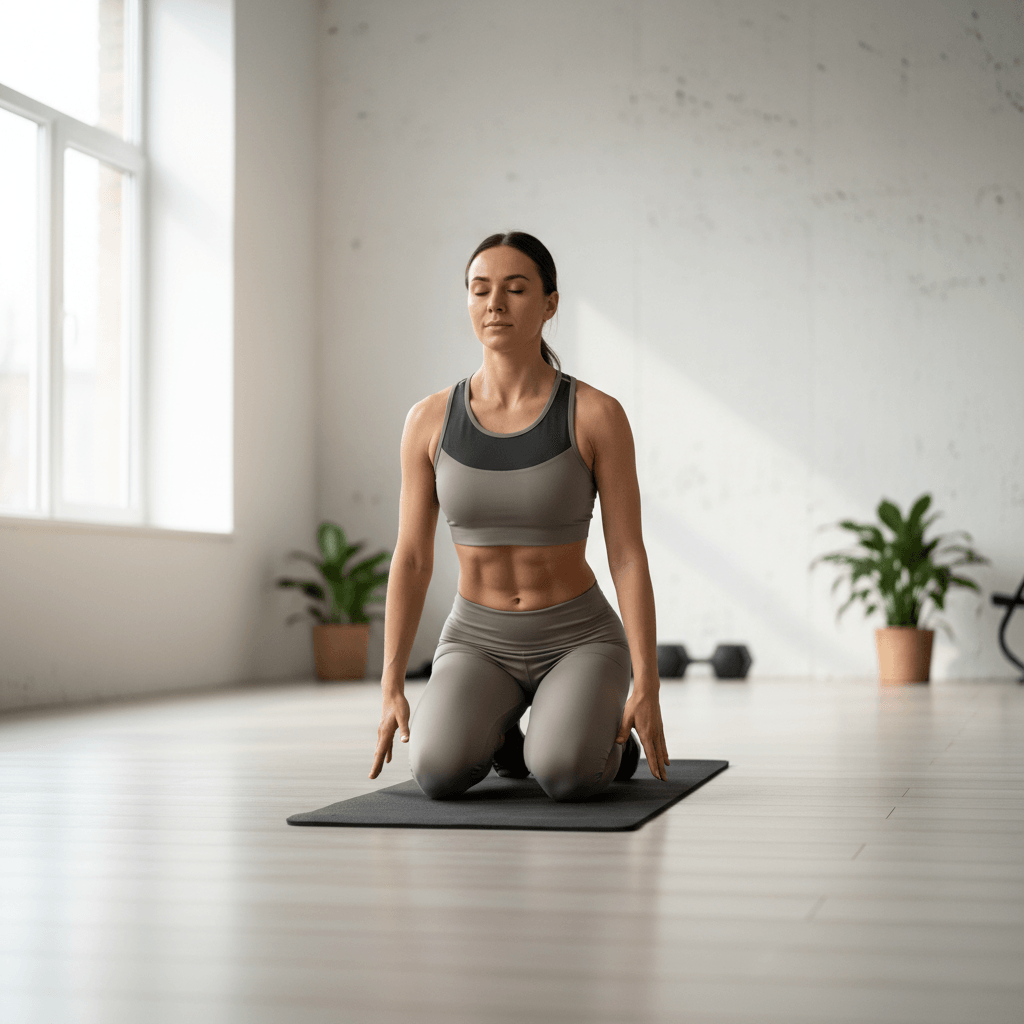
Deep-core training targets the deep stabilizers under your abs. It trains the transversus abdominis, internal obliques, and multifidus. Because these muscles sit close to the spine, they provide silent support for every lift and sprint. Deep-core training uses breath control and low-profile moves. Examples include abdominal drawing-in, stomach vacuums, and controlled diaphragmatic breathing. These exercises do not chase six-pack aesthetics. Instead, they build stability, reduce low-back pain risk, and let athletes express strength safely.
If you crave better performance and fewer setbacks, this work matters. Athletes gain improved force transfer through the torso. As a result, they move with more control in squats, deadlifts, and sprints. Moreover, consistent deep-core practice can lower chronic pain and speed recovery from sessions. This introduction sets a practical, evidence-minded tone. Keep reading to learn simple drills, training dose, and how to blend deep-core work with your routine for real gains.
deep-core training benefits

Deep-core work builds more than a tight midsection. For fighters and field athletes, it fuels power, control, and resilience. As a result, tiny stabilizers like the transversus abdominis and multifidus stop weak links from becoming injuries. Moreover, these muscles improve core strength and functional movement during real sport tasks.
Key benefits at a glance
- Improved spinal stability and injury prevention. Small trials show abdominal drawing-in improves spinal stability without added spinal load. For example, controlled TrA activation correlated with reduced disability in low-back pain studies source. Because the deep core fires before limb moves, it protects the spine.
- Better force transfer and power. Deep-core training enhances how the torso transmits force. Therefore athletes hit harder, sprint faster, and transfer strength into throws and takedowns.
- Enhanced posture and breathing control. Abdominal hollowing and diaphragmatic control refine posture and breathing. As Ebenezer Samuel notes, this hits notes regular bracing misses.
- Functional movement under load. Studies report TrA activation and timing improve after four weeks of training, which supports athletic tasks source.
Pairing strategy
Pair brief deep-core sessions with recovery tools to stay consistent. For example, use the Ape Gun Ape Gun or FlexRoll FlexRoll after training. Also consider MyoFusion tools MyoFusion tools to treat sore stabilizers and maintain mobility.
| Method | Key features | Focus areas | Benefits | Typical exercises | Suitability for athletes |
|---|---|---|---|---|---|
| Traditional core exercises | Surface-level moves, high reps, dynamic flexion | Rectus abdominis, external obliques | Builds visible abs, improves endurance | Crunches, sit-ups, Russian twists, plank holds | Good for general fitness, but limited for sport stability |
| Pilates | Slow, controlled, breath-driven practice | Core stability, posture, coordination | Improves posture, motor control, core endurance | Hundred, roll-up, bird dog, pelvic curl | Useful for athletes needing technical control and balance |
| Yoga | Mobility, breath work, balance and flow | Flexibility, integrated core activation | Enhances mobility, recovery, body awareness | Boat pose, plank flows, chair pose, sun salutations | Great for mobility and recovery phases for athletes |
| deep-core training | Low-profile activation, breath-focused timing | Transversus abdominis, multifidus, internal obliques | Boosts spinal stability, injury prevention, force transfer | Stomach vacuum, abdominal drawing-in, breathing drills, targeted dead-bug | Ideal for combat athletes, power athletes, and injury-prone competitors |
deep-core training exercises you can do at home
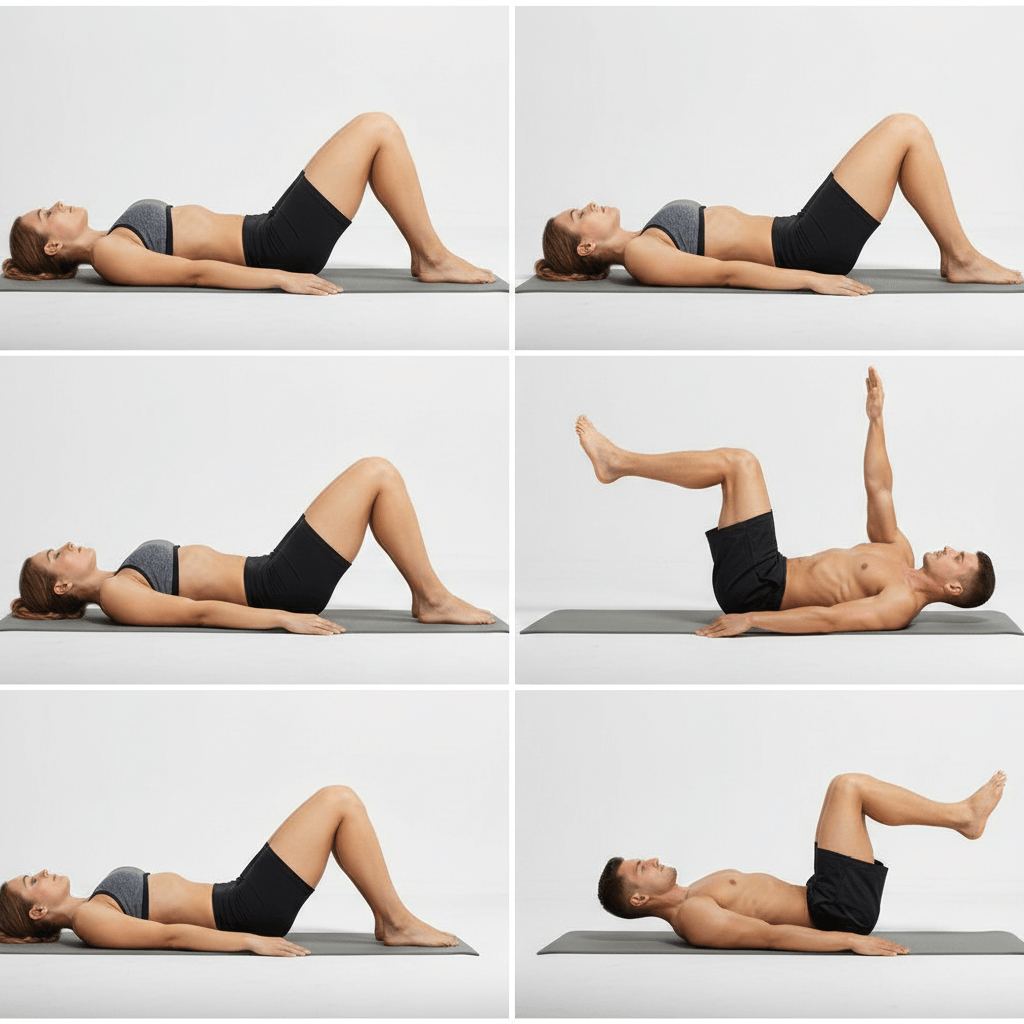
Start simple and stay consistent. These drills build the transversus abdominis and multifidus. They improve timing, posture, and spinal stiffness. Follow the cues, and progress slowly to loaded work.
Stomach vacuum (abdominal drawing-in)
- Why it works: It targets the deepest abdominal layer, the transversus abdominis. Because this muscle stabilizes the spine, it reduces loading during lifts.
-
How to do it:
- Stand or lie on your back with knees bent.
- Exhale fully, then pull your belly button to your spine.
- Hold gently for 5 to 10 seconds while breathing shallowly.
- Release and repeat for 5 reps per set.
-
Tips:
- Do two to three sets, two to three times weekly.
- Avoid sucking the ribs down; keep a neutral pelvis.
- Progress by adding brief holds during warm-ups.
Dead bug with diaphragmatic control
- Why it works: It trains timing between limbs and the deep core. Therefore it transfers directly to running and grappling.
-
How to do it:
- Lie on your back and brace lightly.
- Lift arms overhead and knees to tabletop.
- Slowly extend opposite arm and leg while keeping the low back neutral.
- Return and repeat for eight to ten reps each side.
-
Tips:
- Move slowly and breathe into the belly.
- If your back arches, reduce range of motion.
Bird dog progressions
- Why it works: It trains multifidus timing and anti-rotation control.
-
How to do it:
- Start on hands and knees.
- Extend opposite arm and leg with a neutral spine.
- Pause and hold for two to three seconds, then switch.
-
Tips:
- Add a light pause to challenge stability.
- Keep the neck long and avoid twisting.
Integrating these drills
- Begin sessions with two to three minutes of breathing work.
- Then perform 2 to 3 sets of each exercise.
- Finally, blend deep-core work into activation before heavy lifts.
- As a result, you build resilient core strength for sport.
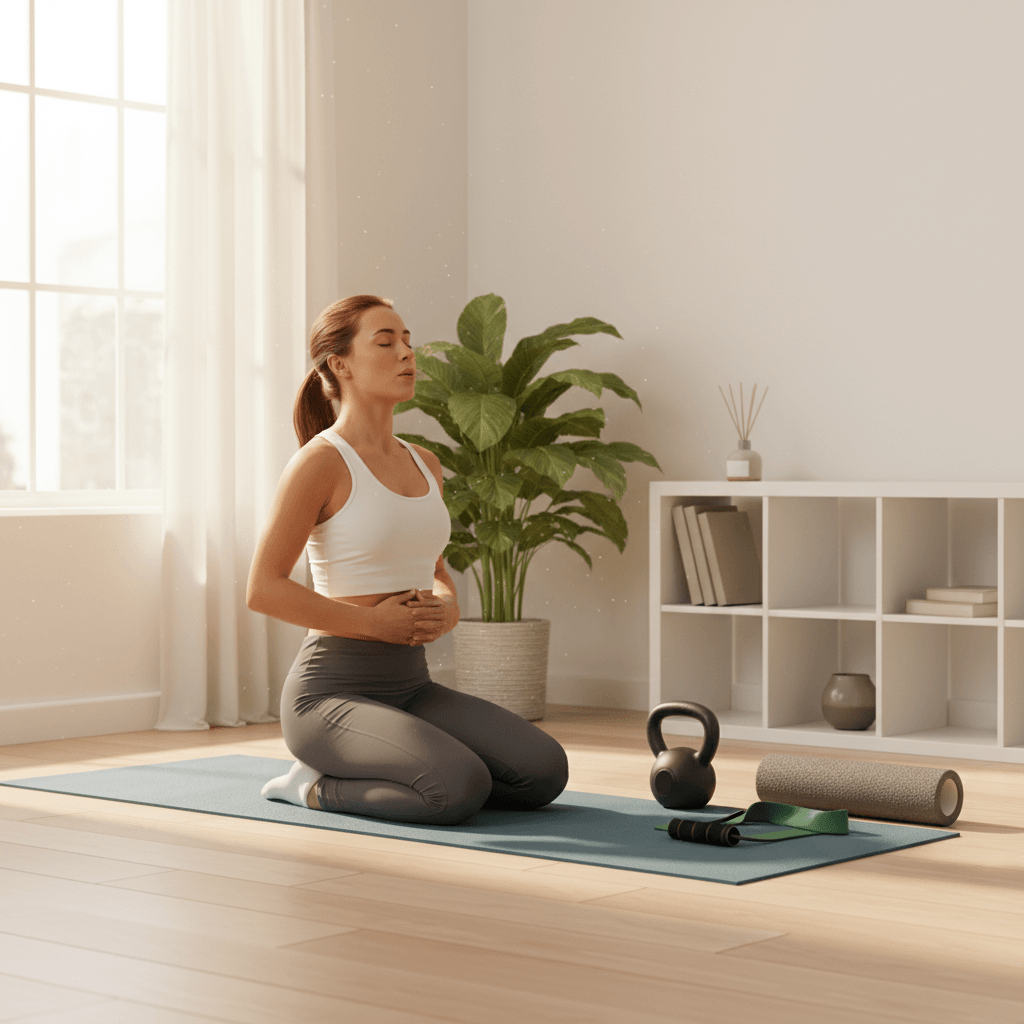
Integrating deep-core training into daily routines
Deep-core training fits easily into busy schedules. Begin small and prioritize consistency because small wins add up. Integrate brief sessions into warm-ups, cooldowns, and active recovery days to support regeneration and athletic performance.
Frequency and progression
- Frequency: Aim for two to three short sessions weekly. These can be five to ten minutes each.
- Progression: Start with basic holds and breath drills. Then increase hold time or add limb movements. As a result, you build durability without overloading the spine.
- Load progression: After mastering timing, add light anti-rotation or loaded carries. However, maintain shallow breathing cues to protect deep-core timing.
How to pair with other training
- Functional training: Use deep-core drills before heavy lifts to prime core stability. For example, perform stomach vacuums before squats and deadlifts.
- Athletic performance: Blend drills into mobility days and sport-specific practice to improve transfer to sprints, throws, and grappling.
- Regeneration: On recovery days, use diaphragmatic breathing and light stomach vacuums to lower tension and speed recovery.
Practical tips
- Keep drills short and focused. Five minutes daily beats long sporadic sessions.
- Use body scans to check neutral pelvis and low-back contact when you practice.
- Track progress by timing holds and noting reduced low-back soreness.
Start simple and stay patient. Soon, your body will thank you with better movement and fewer interruptions to training.
Conclusion
Deep-core training transforms athletes from the inside out. It builds spinal stability, transfers force efficiently, and reduces injury risk. Because the deepest abdominal muscles time with movement, they make lifting and striking safer. Therefore athletes gain power and resilience with less downtime. As a result, daily performance and long-term durability improve.
Also, JackedApe supports serious athletes with durable, functional apparel. Their gear draws from real-world training and tactical design. It channels combat-sports energy and modern gym culture.
For gear and resources visit the website: JackedApe. Browse training-ready apparel at the shop: Shop JackedApe. Meanwhile, read practical guides and articles on the blog: JackedApe Blog. Follow training updates and community posts on X: JackedApe on X.
Start layering deep-core training into your routine today. Pair the drills with smart recovery and gear to accelerate results. Stay consistent and patient, and your body will reward you. Visit JackedApe to gear up and keep training strong. Start now confidently.
Frequently Asked Questions (FAQs)
What is deep-core training and who should do it?
Deep-core training targets the deepest abdominal muscles. It focuses on the transversus abdominis, internal obliques, and multifidus. Athletes and fitness enthusiasts who want better core strength and injury prevention benefit most. Also beginners can start with simple breath and timing drills.
How often should I practice deep-core training?
Aim for two to three short sessions per week. Each session can be five to ten minutes long. Therefore you build consistency without overloading the spine. Also add brief drills to warm ups for better transfer to lifts.
Will stomach vacuums shrink my waist?
Stomach vacuums train abdominal drawing in and breath control. However there is no evidence vacuums reduce body fat or waist circumference. They can increase transversus abdominis thickness in small studies. Therefore treat them as stability training, not a cosmetic shortcut.
Can deep-core training reduce low back pain and improve sport performance?
Yes, it can help. One study found abdominal drawing in improved spinal stability without load. Also small trials reported reduced disability when TrA activation was practiced. As a result, many athletes gain better functional movement and fewer flare ups.
How do I progress safely and blend this work with other training?
Start with breathing, stomach vacuums, dead bugs, and bird dogs. Then increase hold time and add limb movement. Next add light anti rotation work or loaded carries. Finally pair deep-core sessions with mobility and regeneration days. This approach boosts athletic performance and long term durability.


Can Maingaining and calisthenics for beginners build lean mass?
Maingaining and calisthenics for beginners unlock efficient, lean muscle gains with minimal fluff. This approach...
How do thoracic spine stretches relieve desk pain?
Thoracic Spine Stretches Guide Thoracic spine stretches are essential for anyone who sits all day....
How does maingaining build lean muscle without bulk?
maingaining: build lean muscle without excessive bulk Maingaining puts muscle gain first while limiting excess...
Milano Cortina 2026 Winter Olympics: new sports spotlight?
New sports at the Milano Cortina 2026 Winter Olympics Anticipation is building across the fanbase...
How does Omorpho G-Vest Icon boost conditioning?
Omorpho G-Vest Icon The Omorpho G-Vest Icon is a layerable weighted vest for real training....
Why thoracic spine stretches boost breathing and mobility?
thoracic spine stretches Thoracic spine stretches unlock a freer mid-back and better posture. Sit for...
What is maingaining in a 4-week plan?
maingaining: Build Lean Muscle While Staying Agile Maingaining marries steady muscle growth with athletic fitness,...
What are the true benefits of weight loss transformation?
A weight loss transformation can rewrite how you live and feel. It changes more than...