




Introduction
If you’re a sportsperson, knee pain might be a familiar issue. Our knees endure significant strain daily, supported by a complex system of cartilage, muscles, and tendons. Despite this, many people suffer from knee pain, often caused by imbalances, irritation, and inflammation, not directly from the knee joint itself. Diagnoses are sometimes unclear, relying on symptom descriptions. While anti-inflammatory drugs and painkillers provide short-term relief, they don’t address the root causes. But don’t worry, simple exercises can alleviate discomfort. In this guide, we’ll explore the symptoms, causes, and prevention strategies for knee pain.
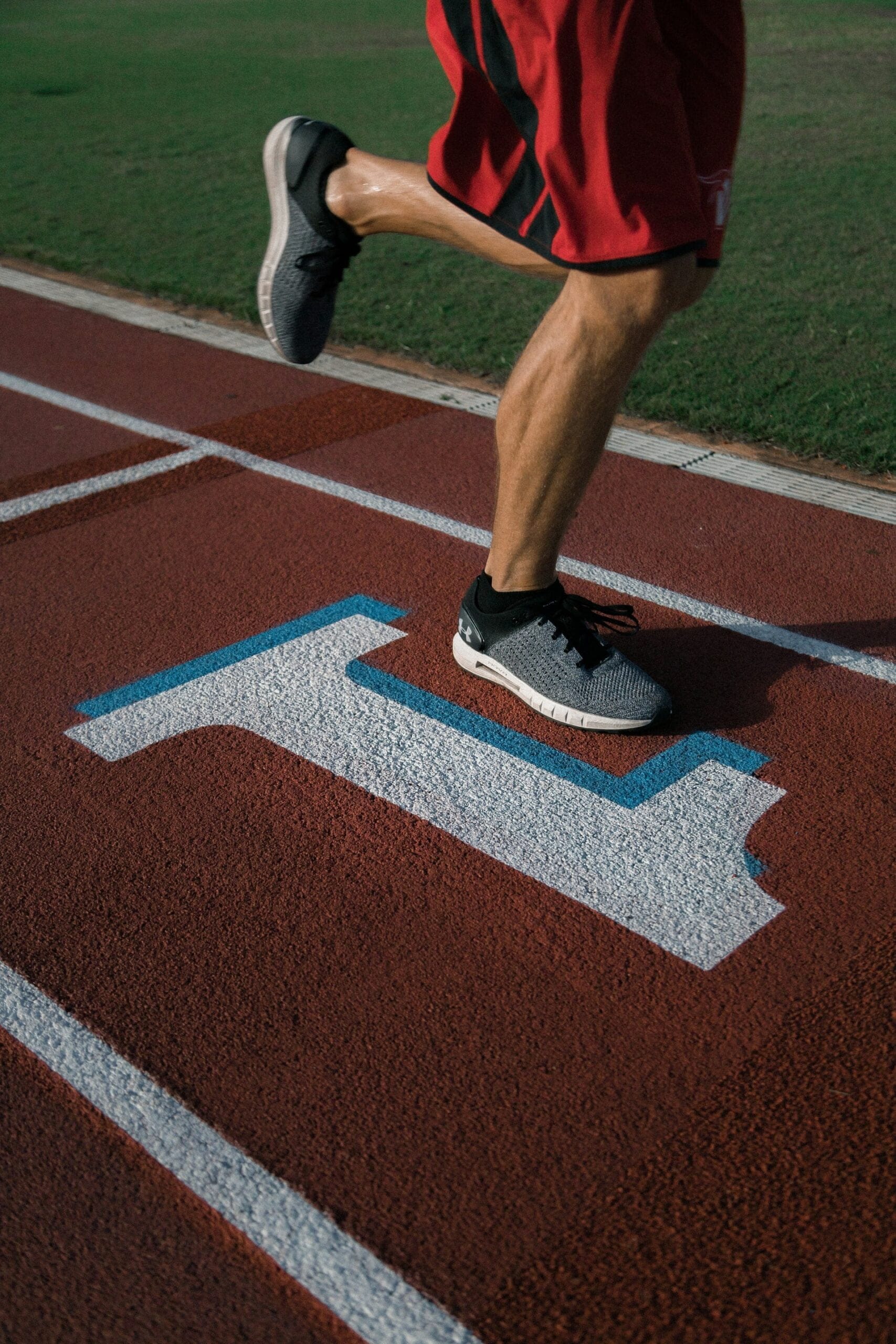
Knee pain is a prevalent issue among individuals of all ages. It can manifest differently, such as pain in the knee pit after sports due to excessive strain, or pain when climbing stairs indicating possible osteoarthritis behind the kneecap. Interior knee pain might suggest an inner ligament or meniscus injury, while pain on the knee’s outside is typical of runner’s knee. Common types of knee discomfort include runner’s knee, patellofemoral pain syndrome, and patellar tendonitis, each with distinct causes and symptoms.
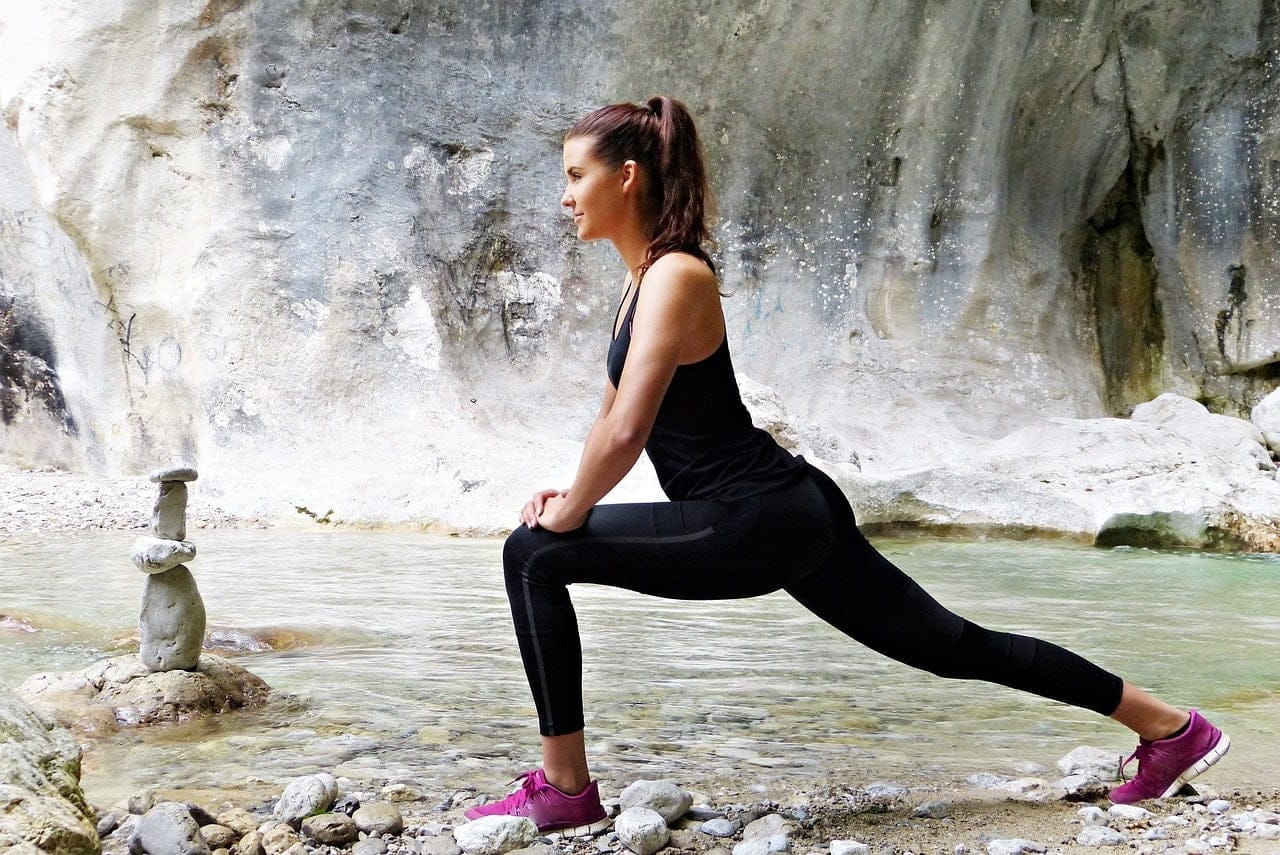
Understanding the symptoms can help identify the type of knee pain you’re experiencing. Runner’s knee usually causes pain on the outside of the knee after prolonged running. Patellofemoral pain syndrome involves sharp pain under the kneecap, worsening with strain and often accompanied by knee instability. Patellar tendonitis, or jumper’s knee, presents as sharp pain under or above the kneecap, intensifying with knee bending or explosive movements. Each condition has distinct characteristics that can guide you in recognizing the specific issue.
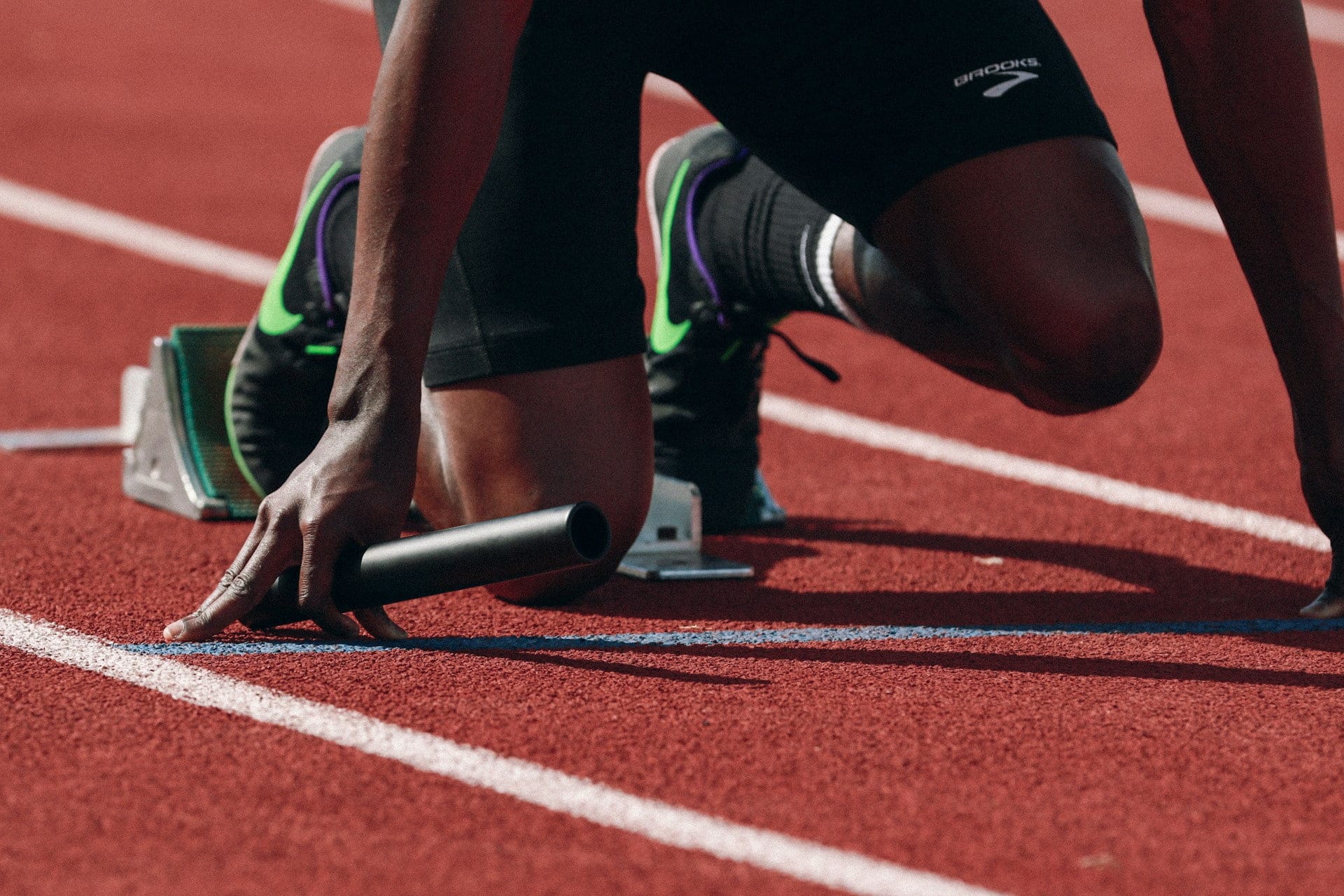
Various factors contribute to knee pain, with specific conditions having distinct causes. Runner’s knee is often due to bow legs, poor pelvic stability, or feet tilted outward. Patellofemoral pain syndrome can result from knock knees, unstable kneecaps, or flat feet. Patellar tendonitis is commonly associated with incorrect leg alignment, frequent overstraining of the knees, or shortened leg muscles. Recognizing these factors can help in preventing and addressing the underlying causes of knee pain effectively.
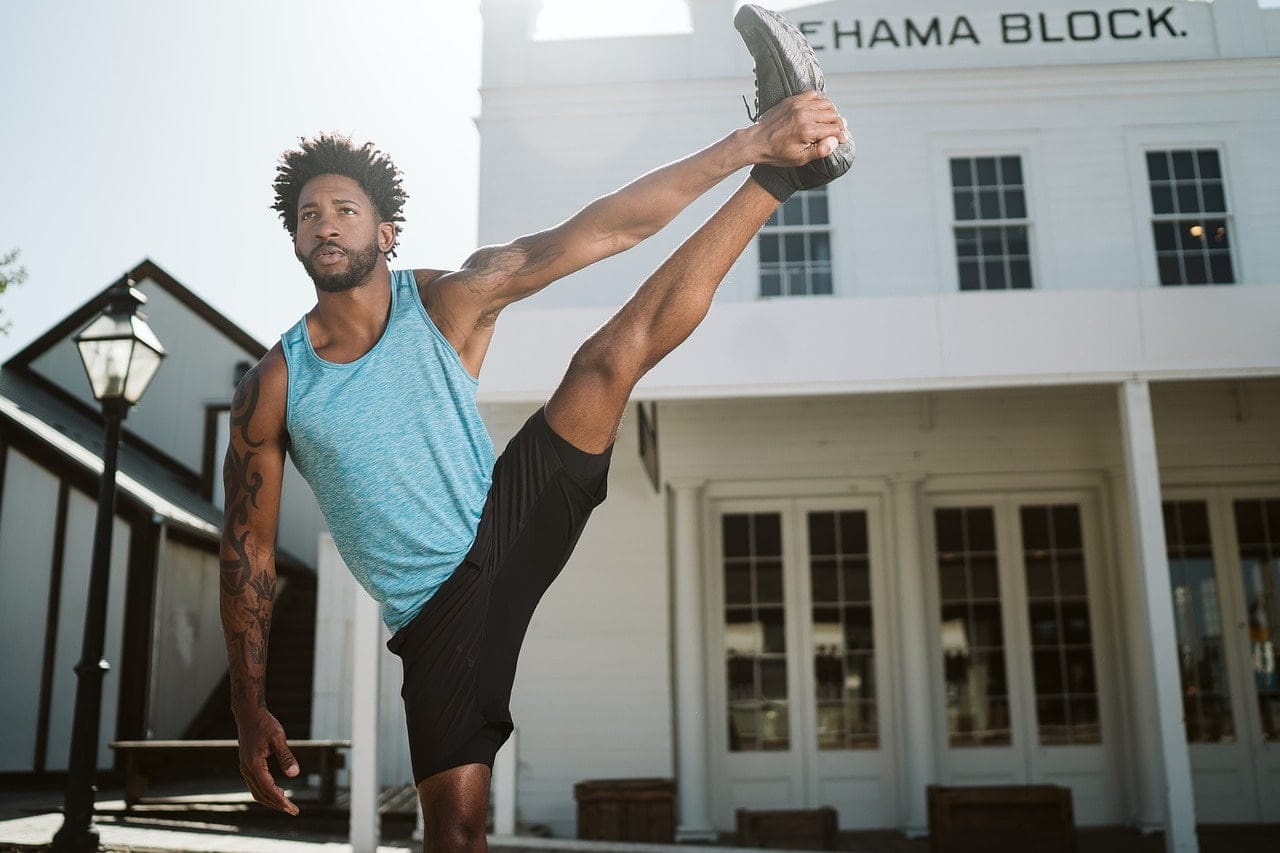
Movement is key in treating knee pain, as it strengthens and balances the body, enhancing resilience. Passive treatments like electrotherapy or medications can support recovery but don’t address the root cause. The JACKEDAPE® approach combines myofascial self-massage, stretching, mobility exercises, and targeted strengthening to alleviate pain. Continual movement within pain-free limits is essential, avoiding over-protection of the affected area, which can reduce resilience over time. For runners, maintaining a pain-free distance is crucial to prevent further issues.
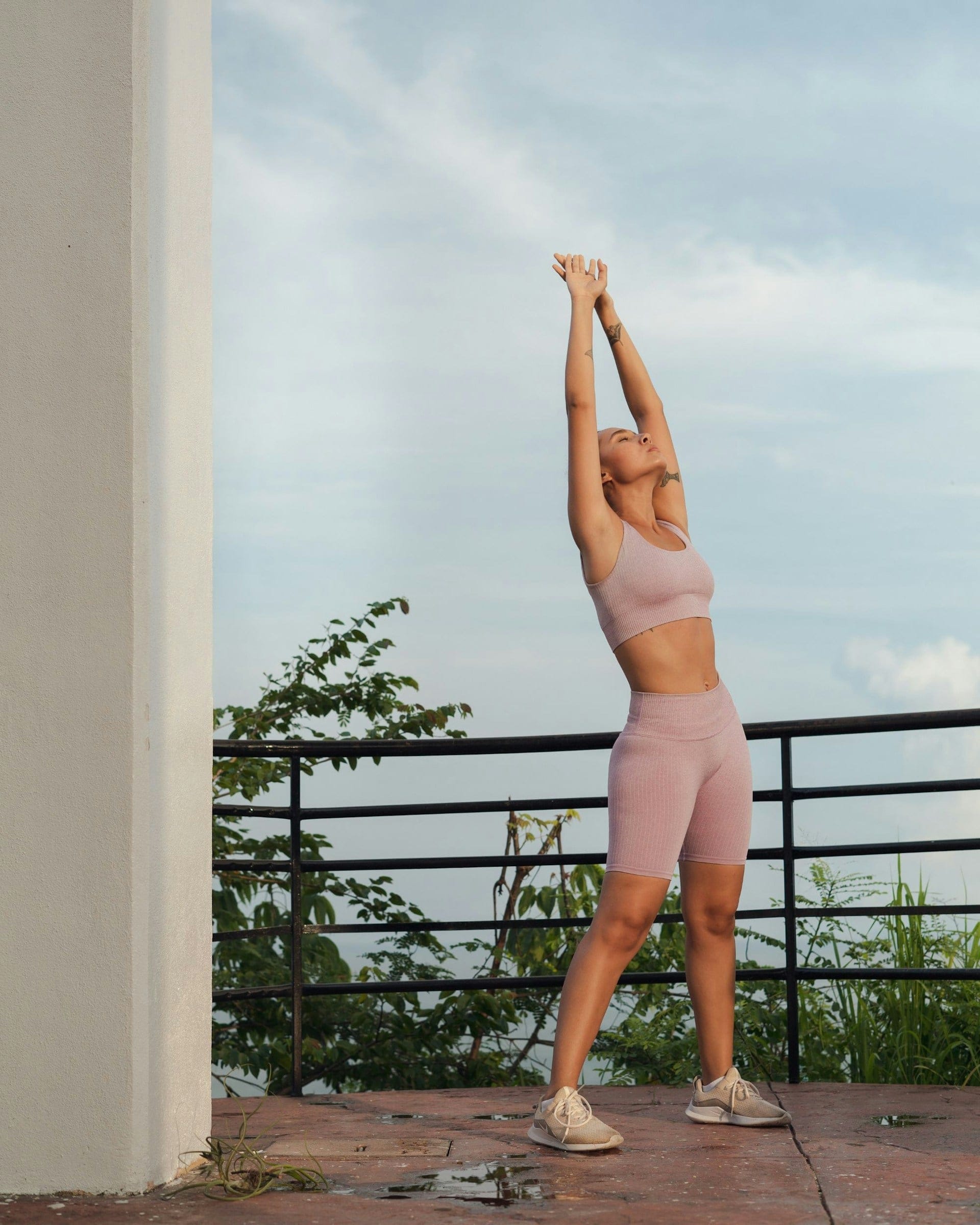
Preventing knee pain involves maintaining a healthy weight, staying active, and using proper techniques in physical activities. Low-impact sports like swimming are beneficial, and proper footwear can alleviate strain on the knees. It’s also crucial to listen to your body and take breaks if you experience pain. Regularly practicing good form and technique during exercises can significantly reduce the risk of knee pain and related issues.
It’s important to consult a doctor if you experience severe knee pain, swelling, or if you cannot put weight on your knee. Other indicators include visible deformity, inability to fully bend or straighten the knee, and severe pain. A healthcare professional can provide a proper diagnosis and recommend appropriate treatment options to address the underlying cause of your knee pain.
Conclusion
Knee pain is a common issue that can significantly impact daily activities. By understanding the symptoms and causes, and adopting effective prevention and treatment strategies, you can manage knee pain effectively. Maintaining a healthy lifestyle, practicing good posture and technique, and seeking medical advice when necessary are key steps to ensuring knee health and preventing future pain.
Common symptoms include pain on the outside of the knee (runner’s knee), sharp pain under the kneecap (patellofemoral pain syndrome), and pain under or above the kneecap (patellar tendonitis).
Poor posture can cause imbalances and strain on the knee joint, leading to conditions like runner’s knee or patellofemoral pain syndrome.
Yes, stress can exacerbate knee pain by causing muscle tension and poor posture, which can strain the knee joint.
Exercises like myofascial self-massage, stretching, and strengthening the muscles around the knee can help relieve and prevent knee pain.
Consult a doctor if you experience severe pain, swelling, inability to bear weight, or if your knee appears deformed.
Maintain proper form and technique, choose low-impact activities, and ensure you have appropriate footwear to prevent knee pain.
Yes, excess weight puts additional strain on the knee joints, increasing the risk of pain and joint damage.


Can Maingaining and calisthenics for beginners build lean mass?
Maingaining and calisthenics for beginners unlock efficient, lean muscle gains with minimal fluff. This approach...
How do thoracic spine stretches relieve desk pain?
Thoracic Spine Stretches Guide Thoracic spine stretches are essential for anyone who sits all day....
How does maingaining build lean muscle without bulk?
maingaining: build lean muscle without excessive bulk Maingaining puts muscle gain first while limiting excess...
Milano Cortina 2026 Winter Olympics: new sports spotlight?
New sports at the Milano Cortina 2026 Winter Olympics Anticipation is building across the fanbase...
How does Omorpho G-Vest Icon boost conditioning?
Omorpho G-Vest Icon The Omorpho G-Vest Icon is a layerable weighted vest for real training....
Why thoracic spine stretches boost breathing and mobility?
thoracic spine stretches Thoracic spine stretches unlock a freer mid-back and better posture. Sit for...
What is maingaining in a 4-week plan?
maingaining: Build Lean Muscle While Staying Agile Maingaining marries steady muscle growth with athletic fitness,...
What are the true benefits of weight loss transformation?
A weight loss transformation can rewrite how you live and feel. It changes more than...