

muscle soreness & glute training (workout effectiveness vs. glute aesthetics)
When you search muscle soreness & glute training (workout effectiveness vs. glute aesthetics), expect answers. But soreness does not tell the whole story. Because many people chase soreness, they confuse pain with progress. However, there is nuance between effective training and visual change.
This guide clears the fog with plain facts and practical tips. You will learn when soreness matters and when it misleads. We will explain DOMS, progressive overload, and recovery tools. As a result, you will train smarter and protect your gains. Expect clear advice on lifting techniques, glute exercises, and rest.
Whether you seek strength or aesthetic change, this article helps. Therefore, learn to value readiness over pain and progress over soreness. Stay curious, train with intent, and enjoy the process.
You will read about squats, hip thrusts, and Romanian deadlifts. These moves target the gluteus maximus, medius, and minimus. However, bigger shape may need overall mass gain and smart programming. Most importantly, learn recovery tactics for faster repair and better lifts.
Understanding muscle soreness & glute training (workout effectiveness vs. glute aesthetics)
Muscle soreness is a common outcome after a hard glute session. It peaks one to three days later. This delayed pain is called DOMS. DOMS arises from tiny micro-tears and inflammation in muscle fibers. Scientific reviews explain this process and the role of eccentric work. See the classic review here: https://pubmed.ncbi.nlm.nih.gov/8005725/?utm_source=openai for details.
Key facts about muscle soreness
- DOMS results from micro-tears and an inflammatory response.
- Eccentric loading often causes more soreness than concentric work.
- Regular training reduces soreness via the repeated bout effect. See evidence: https://pubmed.ncbi.nlm.nih.gov/8282602/?utm_source=openai
- Soreness does not equal a perfect workout.
- Chasing soreness can cause overtraining and poor technique.
How DOMS relates to glute training and aesthetics
Soreness gives feedback, but it is not the main driver of hypertrophy. Progressive overload drives muscle growth over weeks and months. A systematic review shows resistance training increases gluteus maximus size, however results vary: https://pubmed.ncbi.nlm.nih.gov/40276368/?utm_source=openai. Therefore, feeling sore after hip thrusts or squats does not guarantee long term shape change.
Practical implications for training
- Focus on adding load or reps over time because that builds size.
- Track readiness, not pain, before heavy sessions.
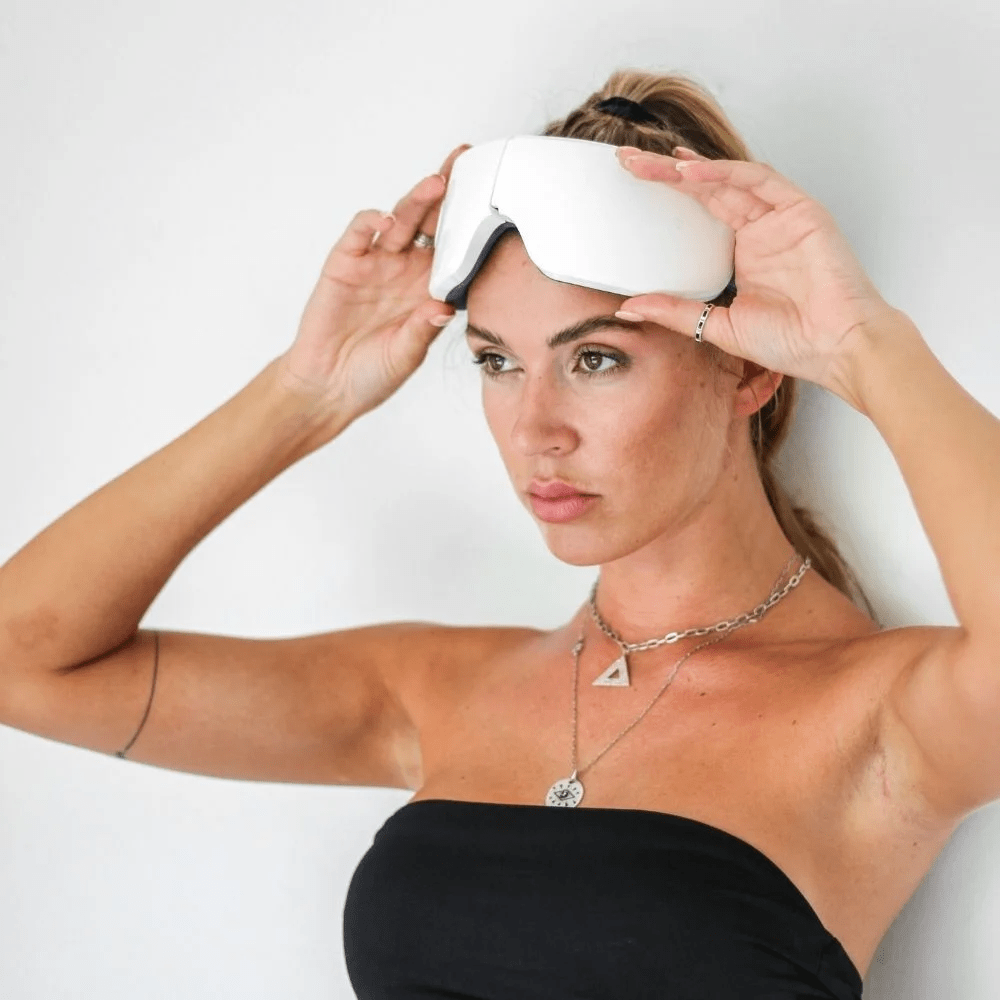
- Use targeted recovery tools when needed, such as a percussive massage device like this Ape Gun: Ape Gun.
- If you feel sharp joint pain, stop and seek evaluation.
In short, soreness can teach you something. However, prioritize progressive overload, consistent recovery, and smart programming for real glute gains.
Training for muscle soreness & glute training (workout effectiveness vs. glute aesthetics)
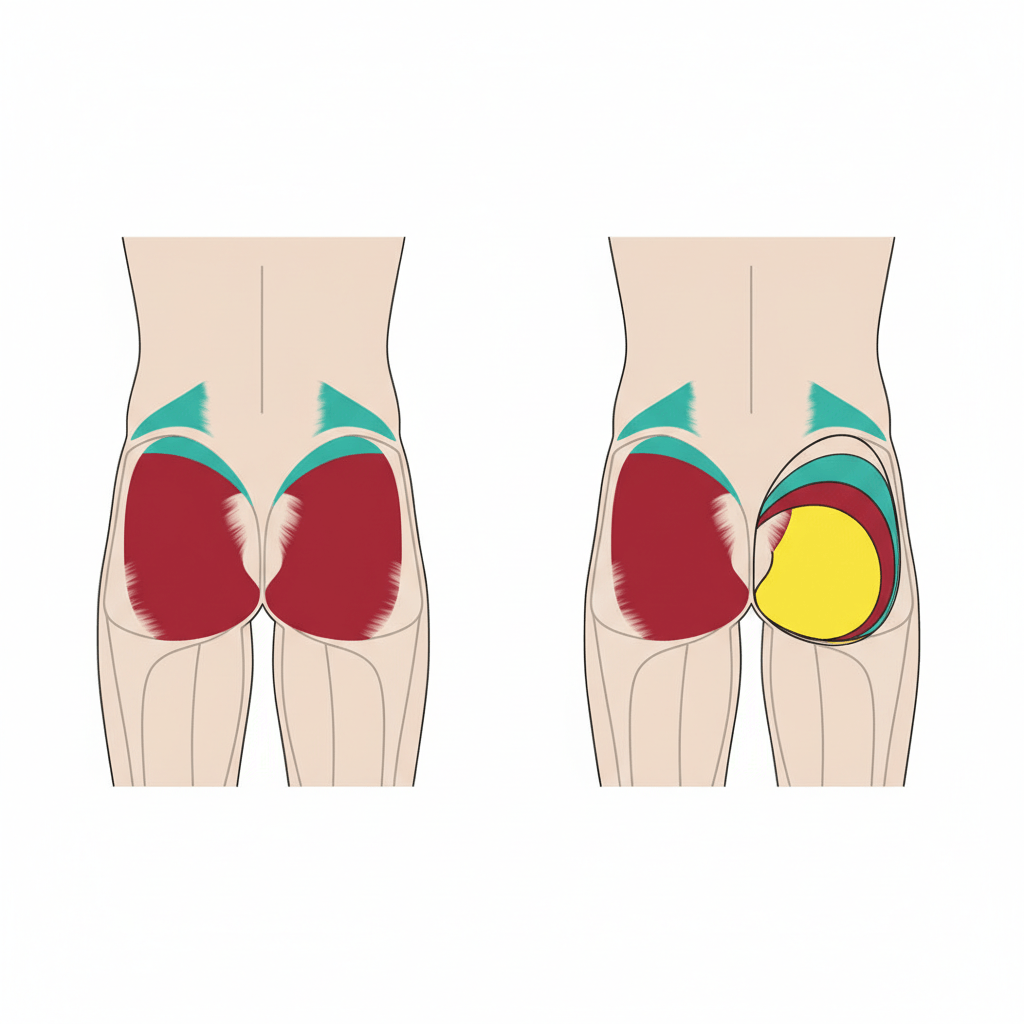
Decide your primary goal before you program. If you chase soreness, you may adjust volume or exercises to elicit a burn. However, chasing that feeling often sacrifices progressive overload and form. Training for effectiveness prioritizes load, progressive overload, and measurable progression. As a result, it produces consistent strength and hypertrophy gains over months.
Compare the two approaches
-
Goal
- Effectiveness: build strength and muscle through progressive overload.
- Aesthetics: emphasize shape and feeling, sometimes favoring isolation and mind-muscle cues.
-
Workout design
- Effectiveness: compound lifts, heavier loads, lower-to-moderate reps, progressive plan.
- Aesthetics: higher volume, more isolation, varied tempos, often more eccentric work.
-
Recovery and scheduling
- Effectiveness: schedule heavier sessions with full recovery windows to lift heavier next time.
- Aesthetics: accept more short-term soreness, but risk chronic fatigue when volume is too high.
-
Measurement
- Effectiveness: track load, reps, and performance variables.
- Aesthetics: track mirror, measurements, and subjective soreness.
Expert perspectives and anecdote
Ebenezer Samuel emphasizes that soreness alone does not measure effectiveness.
Derek DeGrazio suggests the Bender Big Three™ for practical glute development: squats, Romanian deadlifts, and hip thrusts.
Learn more about these exercises.
Therefore, combine heavy compound work with targeted moves. Because progressive overload drives long term change, prioritize load progression. However, use targeted high-volume sessions occasionally to refine shape and activation.
Comparing muscle soreness & glute training (workout effectiveness vs. glute aesthetics)
Below is a clear comparison to help you choose programming. Use it to match your goals to your plan.
| Factor | Workout effectiveness | Glute aesthetics |
|---|---|---|
| Primary goal | Build strength and functional capacity. | Sculpt shape and refine muscle lines. |
| Soreness perception | Soreness is occasional feedback, not proof. | Soreness is often sought as proof of work. |
| Training focus | Progressive overload and compound lifts. | Isolation, tempo, and varied angles. |
| Typical exercises | Squats, deadlifts, lunges, hip thrusts. | Hip thrusts, glute bridges, cable kickbacks. |
| Load and volume | Heavier loads, lower-to-moderate reps. | Moderate loads, higher volume, varied reps. |
| Progress measurement | Track weight, reps, and strength gains. | Track tape measures, photos, and feel. |
| Recovery strategy | Prioritize readiness to lift heavier next time. | Accept short term soreness, but monitor fatigue. |
| Timeline for change | Changes appear over months with overload. | Shape tweaks may show sooner, major change takes time. |
| Role of progressive overload | Central for long term hypertrophy and strength. | Important, but sometimes underemphasized for looks. |
| Risk of chasing soreness | Can cause overtraining and broken form. | May sacrifice progression for temporary sensation. |
| Practical tip | Plan heavy sessions with full recovery windows. | Use high-volume sessions sparingly to sculpt shape. |
Expert note
Ebenezer Samuel warns soreness is a poor training measure. Therefore, favor progress tracking over a burning feeling here. Derek DeGrazio recommends squats, Romanian deadlifts, and hip thrusts for practical glute gains. As a result, blend heavy compound work with targeted moves for best outcomes.
Conclusion
Understanding muscle soreness & glute training (workout effectiveness vs. glute aesthetics) clears up a common gym myth. Soreness can signal that muscles repaired after microscopic damage. However, it is not a reliable metric of a productive session. Progressive overload, consistent programming, and proper recovery drive lasting glute development and strength.
Match your plan to your purpose. If you prioritize strength and functional gains, schedule heavier compound sessions and measure progress with load and reps. If you prioritize aesthetics, include targeted high-volume work to refine shape, but do not let soreness replace structured progression. Track readiness, not pain, and avoid chasing a temporary burn that risks injury.
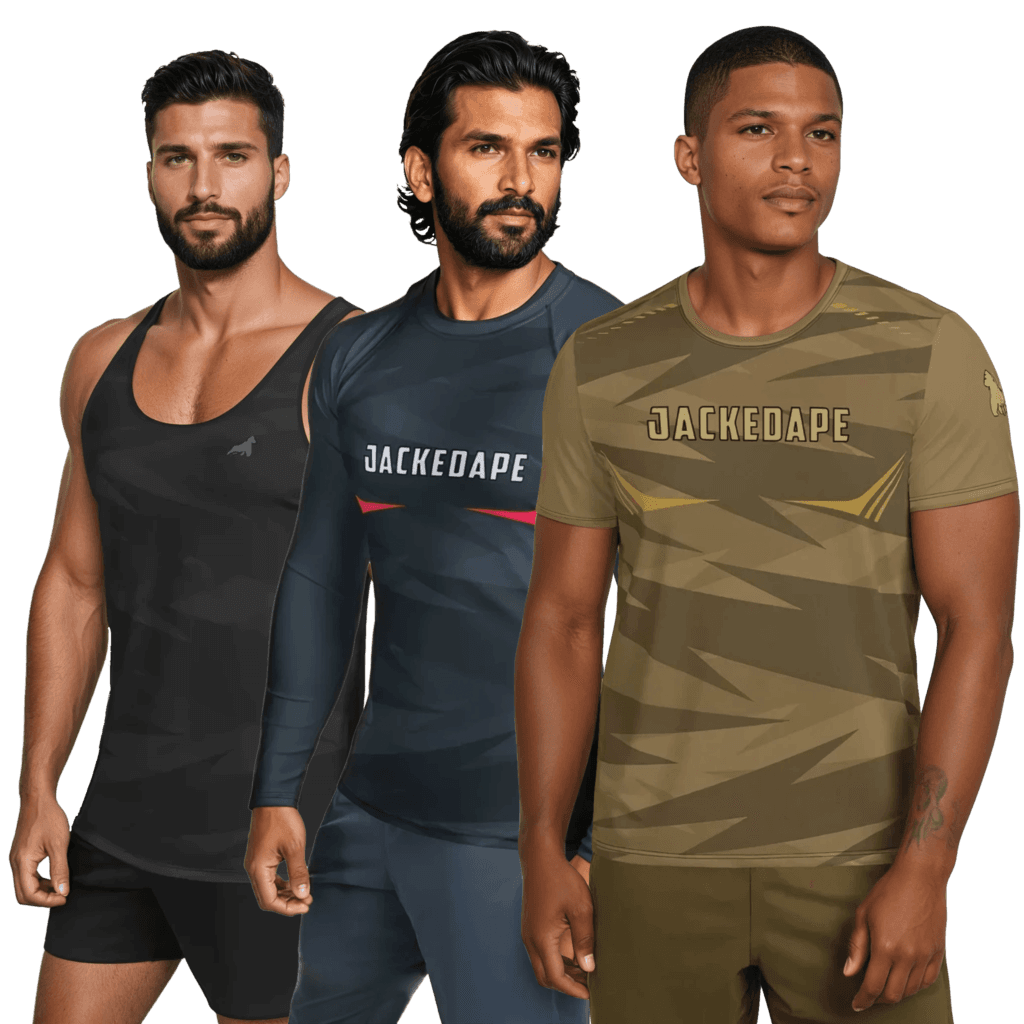
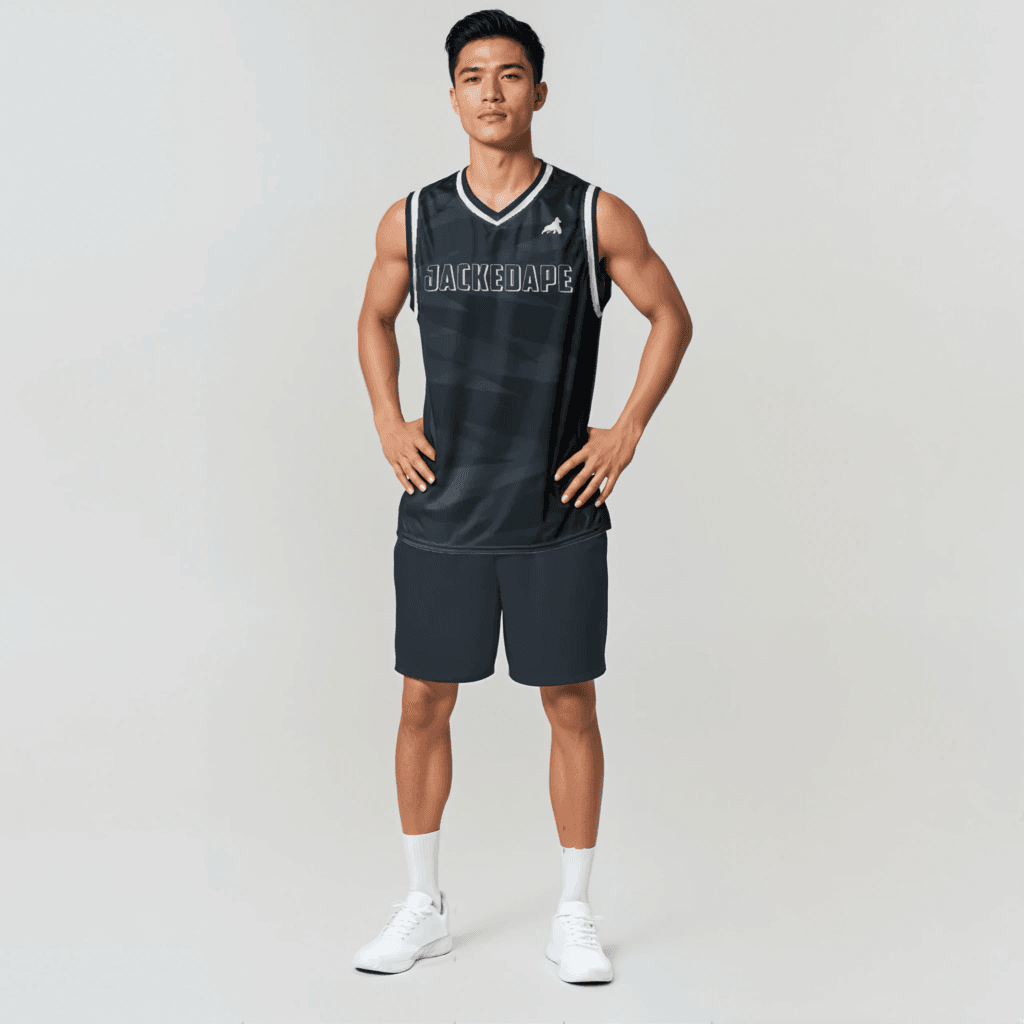
JackedApe supports serious athletes who train with intensity. From high-performance fitness gear to combat-inspired apparel, JackedApe outfits athletes for purpose and persistence. Visit the website to explore products and tools that help you train harder and recover smarter: JackedApe.
Shop the Ape Gun percussive device to aid recovery: Ape Massage Gun.
Read more on our blog for training and recovery tips: JackedApe Blog.
Frequently Asked Questions (FAQs)
Does muscle soreness & glute training (workout effectiveness vs. glute aesthetics) mean my session was effective?
No. Feeling sore does not guarantee an effective session. DOMS comes from micro-tears and inflammation. However, progressive overload drives long term gains. Therefore, track weight, reps, and consistency instead of chasing pain. For more on DOMS science, see this study.
How can I tell DOMS from an injury?
DOMS starts one to three days after training. It feels like a dull, spread-out ache. Conversely, sharp or localized joint pain is a red flag. If pain limits movement or lasts unusually long, stop and get checked. Also, seek medical advice when swelling or severe loss of strength appears.
Should I change programming for aesthetic versus effective glute training?
Yes. Goals shape programming. If you want strength and size, prioritize compound lifts and progressive overload. If you want refined shape, add isolation, higher volume, and varied tempos. Yet, combine both approaches for the best results. Because progressive overload is central, keep it in your plan.
How much recovery do glute sessions need?
Recovery depends on intensity and volume. Most people need 48 to 72 hours after intense lifting. However, lighter activation sessions or mobility work can come sooner. Track readiness by testing movement quality and strength. As a result, you will lift heavier more often.
What practical recovery tools help reduce soreness and speed readiness?
Basic tools work well. Prioritize sleep, protein, and hydration first. Then use active recovery, foam rolling, and targeted massage. If you want a percussive option, consider professional devices from trusted brands. Also, remember that recovery is a tool to enable progressive overload, not a shortcut around training consistency.


Can Maingaining and calisthenics for beginners build lean mass?
Maingaining and calisthenics for beginners unlock efficient, lean muscle gains with minimal fluff. This approach...
How do thoracic spine stretches relieve desk pain?
Thoracic Spine Stretches Guide Thoracic spine stretches are essential for anyone who sits all day....
How does maingaining build lean muscle without bulk?
maingaining: build lean muscle without excessive bulk Maingaining puts muscle gain first while limiting excess...
Milano Cortina 2026 Winter Olympics: new sports spotlight?
New sports at the Milano Cortina 2026 Winter Olympics Anticipation is building across the fanbase...
How does Omorpho G-Vest Icon boost conditioning?
Omorpho G-Vest Icon The Omorpho G-Vest Icon is a layerable weighted vest for real training....
Why thoracic spine stretches boost breathing and mobility?
thoracic spine stretches Thoracic spine stretches unlock a freer mid-back and better posture. Sit for...
What is maingaining in a 4-week plan?
maingaining: Build Lean Muscle While Staying Agile Maingaining marries steady muscle growth with athletic fitness,...
What are the true benefits of weight loss transformation?
A weight loss transformation can rewrite how you live and feel. It changes more than...