




Achilles Tendon Injuries: Understanding the Impact on Midlife Athletes
Achilles tendon injuries can end seasons and careers for athletes of all ages. The recent Sterling K. Brown Achilles tendon injury underscores that risk. Brown is 49 and he tore the Achilles of his left leg. He scored 16 points in a pickup game before the tear. For midlife athletes, this kind of injury feels personal. However, it also teaches resilience and smarter training.
This article explores the injury, the rehab pathway, and the impact on performance. We will compare Brown’s story to other athletes, like Kobe Bryant. You will read practical strategies for rehabilitation and regeneration. Because recovery after 40 needs a tailored plan, we highlight specific training. These include mobility work, progressive loading, and smart conditioning.
Moreover, we will discuss mindset, medical care, and injury prevention. As a result, midlife athletes can return stronger and smarter. Because Sterling plans to stick to half court three on three, the path matters. Read on to learn evidence based rehab tips and motivational lessons.
Sterling K. Brown Achilles tendon injury: what it means
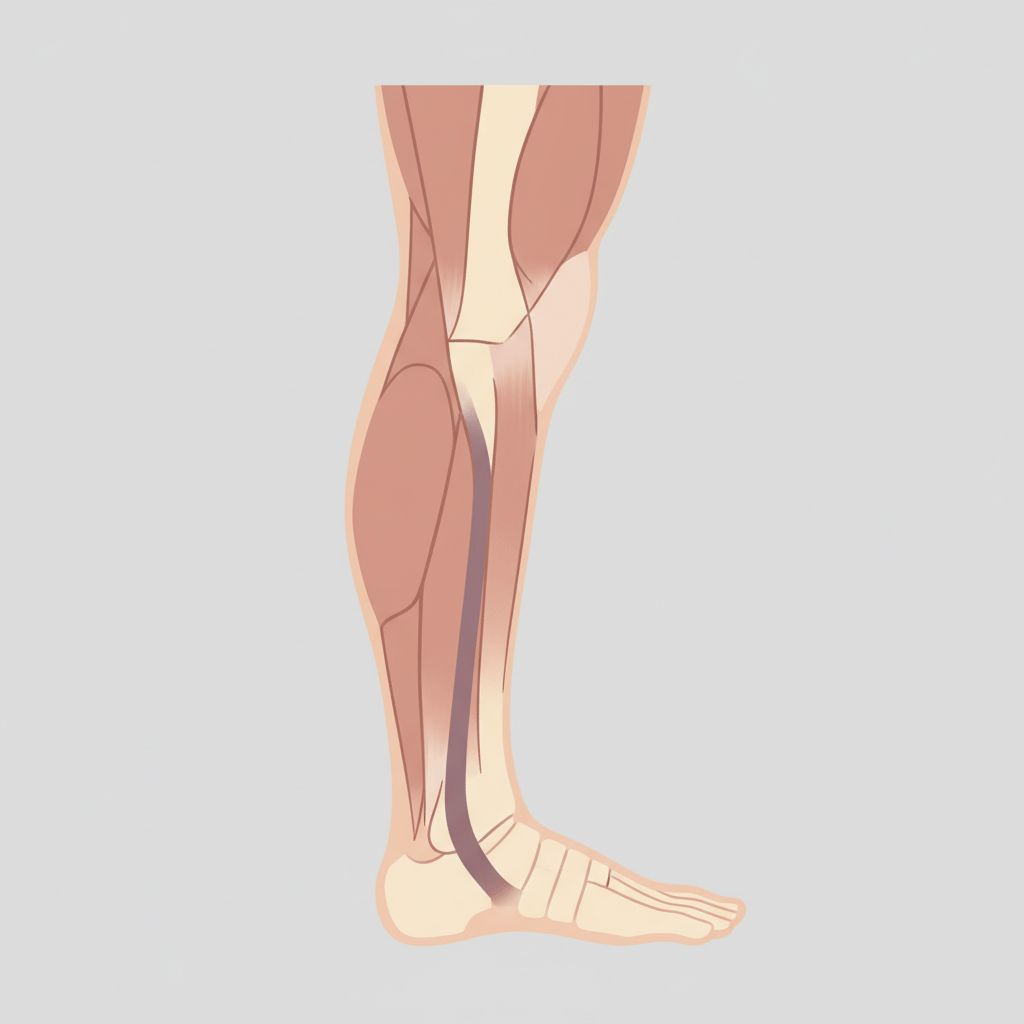
An Achilles tendon rupture happens when the tendon tears partly or fully. It connects the calf to the heel and powers push off. Sterling K. Brown tore the Achilles of his left leg at age 49. He scored 16 points before the tear, which shows sudden load can trigger failure. Because men over 40 face higher risk, this injury is not uncommon. For more medical detail, see the Mayo Clinic overview at Mayo Clinic.
Common causes
- Sudden forceful push off, as in sprinting or jumping
- Degeneration from overuse over months or years
- Prior knee or ankle injuries that change mechanics
- Age related tendon weakening, especially after 40
- Improper warm up or abrupt increases in intensity
For evidence on tendon degeneration and age related risk, read the National Library of Medicine summary at National Library of Medicine.
Typical symptoms
- Sharp, sudden pain in the back of the ankle
- A popping or snapping sensation at injury
- Immediate weakness pushing off the foot
- Visible swelling and bruising near the heel
- Difficulty walking or bearing weight
Effects on athletes
An Achilles rupture limits speed and explosiveness. For midlife athletes, recovery needs longer time and smarter progression. Sterling had two prior ACL injuries, so his rehabilitation plan must account for those deficits. As a result, he plans to favor half court three on three play. To aid recovery, tools like percussive therapy and foam rolling can help soft tissue work. For example, the Ape Gun and the FlexRoll support mobility and regeneration when used under professional guidance.
Recovery and Rehabilitation for Sterling K. Brown Achilles tendon injury
Achilles tendon recovery follows phased, measured steps. Because the tendon bears huge loads, rehab must progress carefully. For Sterling K. Brown, age and prior knee injuries add complexity. However, a tailored plan can restore function and sport readiness.
Phases of recovery
- Acute immobilization and protection for the first two to six weeks. Then clinicians often allow gradual weightbearing. See AAOS guidance at AAOS guidance for details.
- Early range of motion and controlled loading between weeks four and ten. This step reduces stiffness and stimulates tendon healing.
- Strengthening and neuromuscular training from months two to six. Athletes rebuild calf strength and push off power.
- Sport specific conditioning and return to play between months four and nine, often later for older athletes. Mayo Clinic outlines typical timelines here Mayo Clinic.
Typical outcomes and success rates
- Surgical repair lowers re-rupture risk but raises complication risk. A meta analysis shows surgery halves re-rupture rates compared to conservative care PubMed analysis.
- Return to sport varies. A recent systematic review reported a mean return time of about eight months after surgery PubMed study.
- Nonoperative protocols with early functional rehab also show strong long term satisfaction and high return rates in many patients PubMed report.
Challenges for midlife athletes like Brown
- Reduced tendon elasticity and slower healing with age.
- Prior ACL injuries that alter movement patterns and load distribution.
- Greater need for gradual progression to avoid overload and re-injury.
Practical rehab priorities
- Emphasize progressive loading and eccentric calf work.
- Focus on mobility, single leg balance, and hip strength.
- Use soft tissue tools for recovery after workouts. For example, percussive therapy can aid recovery; consider the Ape Gun at Ape Gun.
- Include foam rolling and targeted self massage to reduce tightness. The FlexRoll at FlexRoll helps travel and consistency.
Because each case differs, athletes must follow clinician advice. As a result, Sterling can aim to return strong and smarter. Recovery takes patience, but targeted rehab delivers real gains.
| Option | Description | Recovery time | Benefits | Risks |
|---|---|---|---|---|
| Conservative management | Non-surgical: immobilization, walking boot, graded loading | 3 to 6 months | Avoids surgery; lower complication risk | Higher re-rupture risk in some cases; longer immobilization |
| Surgical repair | Tendon suture repair under anesthesia | 4 to 9 months | Lower re-rupture rate; earlier strength recovery | Surgical risks; infection; nerve damage |
| Structured physical therapy | Supervised progressive loading, eccentric exercises, neuromuscular training | 3 to 9 months | Restores strength, balance, and function | Requires time and adherence; risk of overload if rushed |
| Emerging treatments | PRP, shockwave, stem cell therapies as adjuncts | Variable, often 3 to 12 months | May accelerate healing; complement rehab | Limited evidence; cost; variable regulation |
However, choices depend on age, activity level, and tear severity. Therefore, discuss options with a specialist before deciding.
Conclusion
Understanding the Sterling K. Brown Achilles tendon injury matters for every midlife athlete. This injury shows how sudden loads and age change outcomes. However, it also shows the power of intentional rehab and modern treatments. Because recovery after 40 requires patience, athletes must follow phased protocols and expert guidance.
Sterling’s case highlights common challenges and real solutions. He has prior ACL history, which complicates mechanics and rehab. Yet targeted strength work, mobility training, and progressive loading help restore function. Moreover, advances like structured physical therapy and adjunct therapies give athletes real options.
JackedApe supports athletes through intense training and recovery. As a high performance fitness and combat apparel brand, JackedApe focuses on durability and function. Visit their site to learn more: JackedApe. To shop recovery tools and gear, go to Shop Recovery Tools and Gear. Take action today by learning more about smart recovery. With the right plan and tools, midlife athletes can return stronger and wiser.
Frequently Asked Questions
What exactly was the Sterling K. Brown Achilles tendon injury?
Sterling tore the Achilles tendon in his left leg. He was 49 at the time. He scored 16 points in a pickup game before the tear. The injury is a partial or full tendon rupture. As a result, he felt a sharp pop and instant weakness.
What causes Achilles tendon ruptures in midlife athletes?
Common causes include sudden push off, degeneration, and overuse. Age related tendon weakening raises risk after 40. Prior knee injuries can change movement patterns and load. Moreover, abrupt spikes in intensity increase the chance of tears.
How long does recovery usually take?
Recovery varies by treatment and age. Surgical repair often needs four to nine months. Conservative care plus functional rehab may take three to six months. However, midlife athletes commonly require more time. Therefore, timelines stretch if complications occur.
How do athletes manage rehab and return to play?
Rehab uses phased progression and guided loading. Early motion reduces stiffness, then strength training rebuilds push off power. In addition, balance and hip strength reduce compensations. Athletes work closely with clinicians to avoid re injury.
How can athletes prevent Achilles injuries and protect performance?
Warm up well and increase load slowly. Include eccentric calf exercises and single leg drills. Also prioritize mobility and soft tissue recovery. As a result, athletes can retain explosiveness and reduce long term risk.


Can Maingaining and calisthenics for beginners build lean mass?
Maingaining and calisthenics for beginners unlock efficient, lean muscle gains with minimal fluff. This approach...
How do thoracic spine stretches relieve desk pain?
Thoracic Spine Stretches Guide Thoracic spine stretches are essential for anyone who sits all day....
How does maingaining build lean muscle without bulk?
maingaining: build lean muscle without excessive bulk Maingaining puts muscle gain first while limiting excess...
Milano Cortina 2026 Winter Olympics: new sports spotlight?
New sports at the Milano Cortina 2026 Winter Olympics Anticipation is building across the fanbase...
How does Omorpho G-Vest Icon boost conditioning?
Omorpho G-Vest Icon The Omorpho G-Vest Icon is a layerable weighted vest for real training....
Why thoracic spine stretches boost breathing and mobility?
thoracic spine stretches Thoracic spine stretches unlock a freer mid-back and better posture. Sit for...
What is maingaining in a 4-week plan?
maingaining: Build Lean Muscle While Staying Agile Maingaining marries steady muscle growth with athletic fitness,...
What are the true benefits of weight loss transformation?
A weight loss transformation can rewrite how you live and feel. It changes more than...