





Stomach Vacuum: What It Is and Why Fitness People Love It
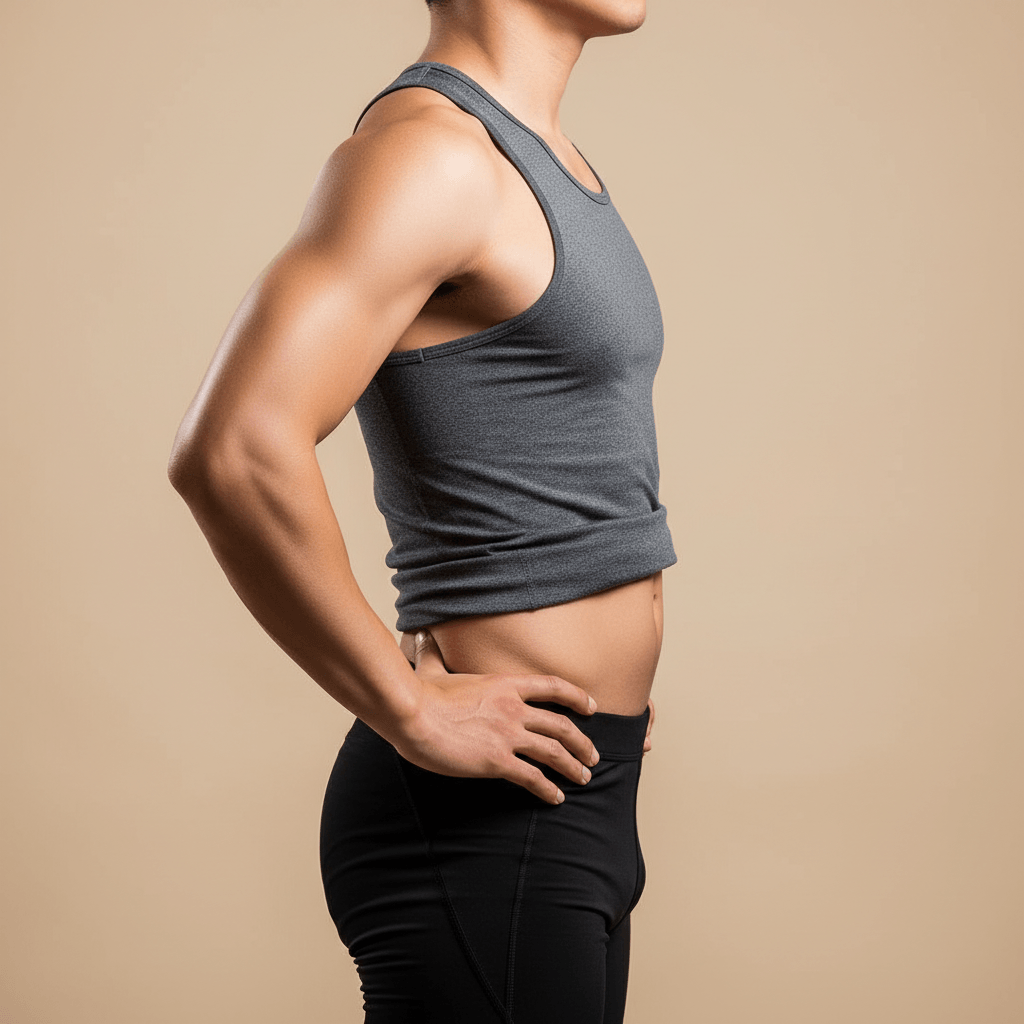
The stomach vacuum is a simple breath and draw technique that trains the deep core. You inhale deeply, then exhale while pulling your belly button toward your spine. Because this action targets the transversus abdominis, you create a corset like tension around the midsection. As a result, the body gains better spinal support and enhanced breath control.
This practice is gaining popularity across social feeds, yoga classes, and rehab clinics. However, the trend also lives in bodybuilding and physical therapy. Therefore people notice it for its low tech approach and clear feel of activation. Many call it abdominal hollowing or abdominal drawing-in.
For fitness enthusiasts, the benefits include improved core stability and posture, reduced low back strain, and better diaphragmatic control. In addition, vacuums help you learn internal cueing and motor control rather than brute strength. This tool complements exercises like bird dogs and curl ups, and it sharpens stage presentation for physique athletes. Read on to learn evidence based guidance and practical tips for safe progress.
Stomach Vacuum Benefits and Insights
The stomach vacuum trains the transversus abdominis, the deep core layer. Because this muscle acts like a corset, it improves spinal support and pelvic control. As a result, posture and trunk stability become more reliable during movement.
Evidence shows abdominal drawing-in increases TrA activation and thickness. For example, MRI research confirmed TrA contraction during drawing-in (source). Therefore clinicians use this pattern in back-pain rehab and motor control work. In addition, a scoping review found hollowing and bracing both aid trunk stability (source).
Practical benefits follow for athletes and everyday lifters. Vacuums enhance diaphragmatic control, breathwork, and motor sequencing. Also they strengthen connections with internal obliques and multifidus without extra spinal load (source).
Key benefits at a glance
- Deep core activation because the transversus abdominis tightens like a corset
- Better posture and spinal alignment for daily life and lifting
- Reduced low-back strain during movement and recovery
- Improved breath control and diaphragmatic coordination
- Enhanced mind-muscle connection and motor control for technique
- A subtle stage posture tool for bodybuilders and physique athletes
- Low equipment needs and easy progression for rehab or gym work
- Note: vacuums do not reduce waist fat or guarantee major physique change
Recommended starting dose
Start with two to three sets of five reps, or five minutes total weekly. As a result, progress slowly and focus on technique.
Scientific Evidence for the Stomach Vacuum and Expert Voices
Research links the stomach vacuum to transversus abdominis activation. Because the TrA wraps the spine like a corset, it aids spinal stability. For example, MRI studies show TrA contraction with abdominal drawing-in techniques (source). Therefore clinicians use this pattern in motor control and rehab work.
A scoping review compared hollowing and bracing and found both improve trunk stability (source). In addition, small trials report improved spinal control without extra spinal load (source). As a result, the pattern suits people rehabbing low-back pain and athletes learning precise core timing.
Expert perspectives
“The stomach vacuum is where you suck your gut in by pulling your belly button to your spine,” a physiotherapist explains. This cue teaches the deep core without heavy loading.
“The stomach vacuum is a tool, not the quick-fix hack that TikTok often makes it out to be,” says a strength coach. However, it does help with breath control and posture when used correctly.
“But you’re not going to get you a major performance boost or transform your physique by sucking in your belly,” a sports physiotherapist warns. Therefore pair vacuums with loaded core work for best results.
Bottom line
Stomach vacuum supports deep-core strength, posture, and diaphragmatic control. In addition, it offers a low-risk way to train motor control. However, avoid expecting dramatic fat loss or instant aesthetic change.
| Exercise | Effectiveness for Deep Core (TrA) | Difficulty | Key Benefits | Time Commitment |
|---|---|---|---|---|
| Stomach vacuum | High for TrA isolation | Low to Moderate | Targets transversus abdominis, improves breath control, aids posture | 2–5 minutes per session |
| Bird dog | Moderate for deep core and multifidus | Moderate | Trains coordination, spinal stability, anti-extension | 5–10 minutes per session |
| Plank | Moderate to High for global core | Moderate to Hard | Builds endurance, anti-flexion strength, posture support | 1–3 sets of 30–90 seconds |
| Pallof press (anti-rotation) | Moderate for bracing and anti-rotation | Moderate | Teaches bracing under load, improves transfer to lifts | 3–5 minutes per session |
| Curl-up / crunch | Low to Moderate for TrA | Easy to Moderate | Improves anterior flexion strength, visible core work | 3 sets of 10–15 reps |
Note: The stomach vacuum isolates deep-core timing. However, pair it with loaded and endurance work for balanced performance. As a result, you gain motor control and real-world strength.
CONCLUSION
Stomach vacuums train the deep core, especially the transversus abdominis. They improve spinal support, posture, and breath control. Research suggests vacuums boost motor control without extra spinal load. However, they are not a quick fix for fat loss.
Use vacuums alongside loaded and endurance core work. Start small, with two to three sets of five reps. In addition, aim for two to three sessions per week. Pair vacuums with diaphragmatic breathing for better control. Also combine them with bird dogs, planks, and loaded carries. Therefore you build timing, stability, and transfer to lifts.
JackedApe supports athletes who train intensely and live purposefully. The brand makes high performance fitness and combat apparel. Explore more at JackedApe. Shop gear at JackedApe Shop and read training tips at JackedApe Blog.
Train smart, be consistent, and use the stomach vacuum as a focused tool. Start today and track small wins. You will notice better posture and control over weeks.
Frequently Asked Questions (FAQs)
What exactly is a stomach vacuum and who should try it?
A stomach vacuum is an abdominal drawing-in technique. It trains the transversus abdominis for deep-core support. Beginners and advanced users can use it. However, start slowly if you have acute pain or recent abdominal surgery.
Is the stomach vacuum safe?
Yes for most people when done correctly. Because it uses no external load, risk stays low. If you feel dizziness or sharp pain, stop and consult a clinician. Also, pregnant people should avoid intense drawing in.
How often should I practice and how long before I see benefits?
Start with two to three sessions per week. Do two to three sets of five reps or five minutes total. Many notice better breath control and posture within a few weeks. For structural changes, allow eight weeks or more.
Will vacuums shrink my waist or burn belly fat?
No. There is no evidence vacuums reduce fat or waist circumference. They improve muscle timing and spinal stability instead. Therefore combine vacuums with diet and full-body training.
How do I fit stomach vacuums into my program?
Use them as a warmup or cool-down drill. In addition, pair vacuums with planks and loaded core work. This approach builds motor control and real-world strength.


Can Maingaining and calisthenics for beginners build lean mass?
Maingaining and calisthenics for beginners unlock efficient, lean muscle gains with minimal fluff. This approach...
How do thoracic spine stretches relieve desk pain?
Thoracic Spine Stretches Guide Thoracic spine stretches are essential for anyone who sits all day....
How does maingaining build lean muscle without bulk?
maingaining: build lean muscle without excessive bulk Maingaining puts muscle gain first while limiting excess...
Milano Cortina 2026 Winter Olympics: new sports spotlight?
New sports at the Milano Cortina 2026 Winter Olympics Anticipation is building across the fanbase...
How does Omorpho G-Vest Icon boost conditioning?
Omorpho G-Vest Icon The Omorpho G-Vest Icon is a layerable weighted vest for real training....
Why thoracic spine stretches boost breathing and mobility?
thoracic spine stretches Thoracic spine stretches unlock a freer mid-back and better posture. Sit for...
What is maingaining in a 4-week plan?
maingaining: Build Lean Muscle While Staying Agile Maingaining marries steady muscle growth with athletic fitness,...
What are the true benefits of weight loss transformation?
A weight loss transformation can rewrite how you live and feel. It changes more than...