




Team-Based Fitness: How Training with a Crew Changes Everything
Team-based fitness turns solo sweat sessions into shared missions. Across cities, small squads run hills before dawn. In weight rooms, teammates push each other through brutal sets. Because peers expect effort, results often follow faster. Teams repeat rituals that embed hard work into life.
Studies point to social support and stronger exercise identity. However, the Köhler effect shows the unusual power of groups. We see novices lift harder when training beside stronger teammates. As a result, adherence and performance often rise for members. Additionally, coaches report better attendance during group cycles.
Imagine bench pressing while a friend blasts driving music nearby. Or finishing an Air Bike sprint together and collapsing into laughter. These shared scenes shape stories you retell for years. Therefore, training becomes about identity, not just numbers on a tracker. Moreover, shared memories make tough sessions worth enduring.
Team-based fitness fits athletes and weekend warriors alike. It creates accountability, friendly competition, and genuine enjoyment. If you want consistency, join a squad or start one with friends. Ultimately, you gain push partners, fans, and daily motivation. Soon workouts feel less like chores and more like belonging.
Benefits of Team-Based Fitness: Why Group Workouts Work
Team-based fitness delivers clear psychological and physical returns. Whether you join a run-group, an off-season squad, or a local bootcamp, group exercise reshapes how you train. Below are the key benefits backed by science and real-world coaching.
- Increased accountability and adherence
Because teammates expect you to show up, you miss fewer sessions. As a result, consistency improves and habits stick. Studies show social support predicts better leisure-time exercise outcomes (source). - Motivational support and the Köhler effect
Training around stronger partners sparks extra effort. The Köhler effect shows weaker members raise their performance to avoid letting the group down. Therefore, you push harder than you would alone (source). - Higher intensity and improved endurance
Group settings often create friendly competition. Consequently, people sustain higher intensity intervals and longer aerobic efforts. This leads to measurable gains in endurance over time. - Better mental health and social bonding
Shared rituals and camaraderie reduce stress and increase enjoyment. In addition, a fitness community builds belonging and makes tough workouts feel rewarding. - Skill transfer and athletic teamwork
Training with varied teammates exposes you to new drills, cues, and techniques. As a result, you develop more rounded athletic skills and situational awareness. - Practical gear and identity reinforcement
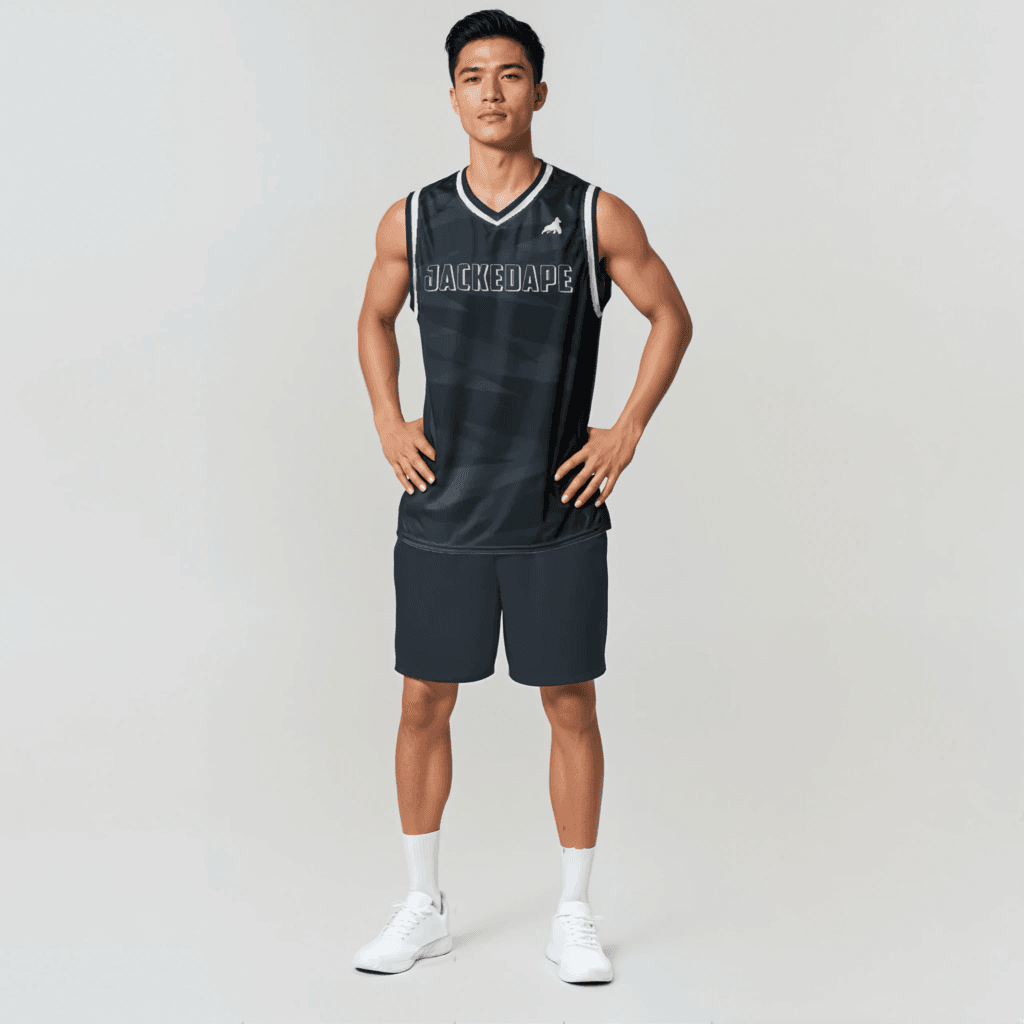
Wearing team apparel strengthens your exercise identity. For example, gear like the Tactical – Unisex Sleeveless Jersey signals commitment and unity (source).
These benefits combine to make group training greater than the sum of its parts. Moreover, sports science and coaches alike note that social dynamics enhance both performance and long-term adherence. For further reading on group motivation gains, Britannica offers a concise overview of the Köhler effect (source).
CrossFit and Team-Based Fitness
CrossFit boxes often blend individual lifts with team challenges. Athletes pair off for partner WODs. Because workouts demand varied skills, teammates trade tips and cheer loudly. As a result, intensity climbs and form improves. Learn more about CrossFit at CrossFit’s Official Site.
Team-Based Fitness in Boot Camps and Relay Races
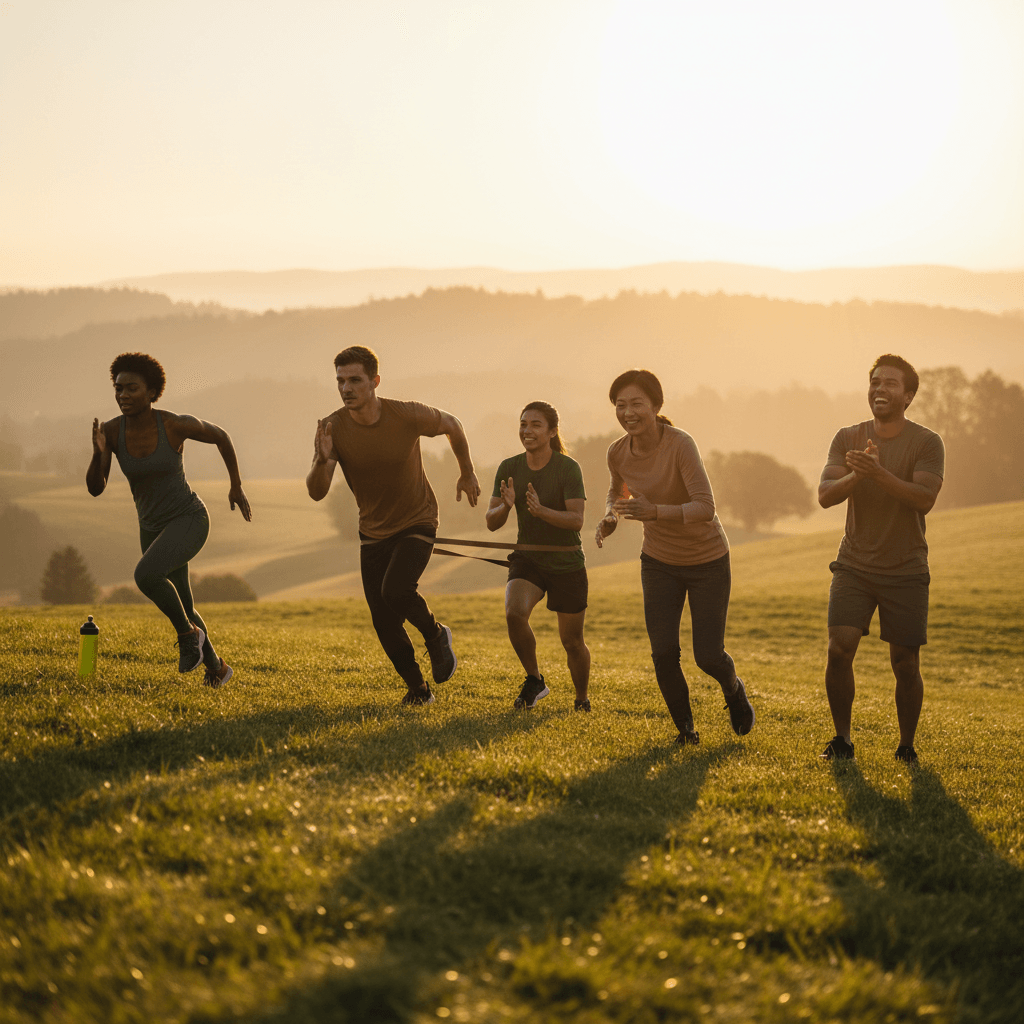
Local boot camps create structured group sessions. Trainers set circuits that require cooperative pacing and shared rest. Moreover, relay races turn endurance into a team strategy. Teams plan handoffs and push one another through fatigue. Consequently, these formats boost endurance and competitive spirit.
Group Cycling, Run Crews, and Team-Based Fitness Classes
Group cycling classes and run crews build rhythm and cadence. Riders and runners draft and pace each other. Therefore, they conserve energy and sustain higher speeds. In addition, classes often end with social cooldowns that deepen bonds.
Why These Activities Work Together
All of these activities foster competitiveness and camaraderie. Friendly rivalry raises effort without harming support. Coaches praise how squads create accountability and habit. Furthermore, event days produce shared memories that reinforce identity and commitment. For obstacle racing and team endurance events, visit Spartan Race.
Try a variety of group formats to find your fit. Start small, try a partner workout, and then join regular sessions. Soon your fitness will benefit from teamwork and lasting community.
Team-Based Fitness Activities Compared
Use this table to compare popular formats. Choose what matches your goals and schedule.
| Activity | Difficulty | Required equipment | Typical group size | Targeted fitness benefits |
|---|---|---|---|---|
| CrossFit | Moderate to high | Barbells, kettlebells, rower, pull-up rig | 4–12 | Strength, power, conditioning, teamwork |
| Team Boot Camp | Low to moderate | Cones, resistance bands, sandbags, mats | 6–20 | Cardio, muscular endurance, group exercise camaraderie |
| Relay Races | Moderate to high | Running shoes, optional baton | Teams of 4–8 | Speed, pacing, competitive athletic teamwork |
| Group Cycling (Spin) | Moderate to high | Indoor bike or road bike, helmet | 10–40 | Aerobic capacity, cadence, sustained power |
| Run Crews | Low to high | Running shoes, GPS watch optional | 5–30 | Endurance, pacing, social bonding and adherence |
Pick CrossFit for strength and varied stimulus. However, choose run crews to build steady endurance. If you want friendly competition, try relay races. In addition, boot camps suit beginners and busy schedules. Therefore, rotating formats can boost motivation and prevent plateaus.
Conclusion: Team-Based Fitness Is More Than a Trend
Team-based fitness delivers accountability, purpose, and measurable gains. Because teammates expect effort, consistency improves. As a result, endurance and strength rise faster than with solo training. In addition, social bonding makes hard sessions feel meaningful and fun.
JackedApe supports athletes who train with intensity and purpose. The brand builds tactical apparel with athlete collaboration and real-world testing. Moreover, JackedApe focuses on durability, mobility, and performance fit. Visit the official site for more gear and stories: official site. Browse performance pieces at the shop: shop. Read training tips and community features on the blog: blog. For social updates, check the brand hub on the website.
Find a squad, try a team-based fitness format, and commit to regular sessions. Your fitness will improve and your social circle will deepen. Ultimately, teamwork transforms workouts into lasting identity and achievement.
Frequently Asked Questions (FAQs)
How do I start with team-based fitness if I am a beginner?
Start by trying one session in a low-pressure setting. For example, join a local boot camp or run crew for a single class. Then tell the coach your experience level and goals. Because teammates expect consistency, show up twice weekly at first. As a result, you build habit and confidence quickly.
Are group workouts better than solo training?
Group exercise boosts accountability and social support. In addition, the Köhler effect makes members push harder in teams. However, solo sessions offer flexibility and specific skill work. Therefore combine both formats for balance. You gain motivation and targeted progress this way.
What equipment do I need for team-based fitness?
Minimal gear works for most formats. Bring solid shoes, a water bottle, and a fitness tracker if you have one. For cycling or obstacle events, add a helmet and gloves. Coaches often supply larger items like barbells and sandbags. Moreover, you can scale equipment needs by activity.
How often should I train with a team to see results?
Aim for three team sessions per week for clear gains. If you cannot, train twice weekly and add one solo session. Consistency matters more than volume at first. Because teammates create routine, you will likely stick with it. Consequently, endurance and strength rise over months.
How do teams handle different fitness levels?
Coaches and partners modify loads and distances. For instance, weaker members take shorter intervals or lighter weights. Meanwhile stronger athletes scale up intensity. This setup encourages growth without leaving anyone behind. In short, team-based fitness blends challenge and fellowship to lift the whole group.
If you still wonder what format fits you best, try two different group classes this month. Then reflect on enjoyment, progress, and the fitness community around you.


Can Maingaining and calisthenics for beginners build lean mass?
Maingaining and calisthenics for beginners unlock efficient, lean muscle gains with minimal fluff. This approach...
How do thoracic spine stretches relieve desk pain?
Thoracic Spine Stretches Guide Thoracic spine stretches are essential for anyone who sits all day....
How does maingaining build lean muscle without bulk?
maingaining: build lean muscle without excessive bulk Maingaining puts muscle gain first while limiting excess...
Milano Cortina 2026 Winter Olympics: new sports spotlight?
New sports at the Milano Cortina 2026 Winter Olympics Anticipation is building across the fanbase...
How does Omorpho G-Vest Icon boost conditioning?
Omorpho G-Vest Icon The Omorpho G-Vest Icon is a layerable weighted vest for real training....
Why thoracic spine stretches boost breathing and mobility?
thoracic spine stretches Thoracic spine stretches unlock a freer mid-back and better posture. Sit for...
What is maingaining in a 4-week plan?
maingaining: Build Lean Muscle While Staying Agile Maingaining marries steady muscle growth with athletic fitness,...
What are the true benefits of weight loss transformation?
A weight loss transformation can rewrite how you live and feel. It changes more than...